Water pollution is one of the most serious environmental challenges facing the world today. Rivers, lakes, groundwater, and oceans are continuously contaminated by harmful substances released from human activities. Polluted water not only damages aquatic ecosystems but also poses serious risks to human health, agriculture, and industry. Understanding the major causes of water pollution is the first step toward effective prevention and treatment.
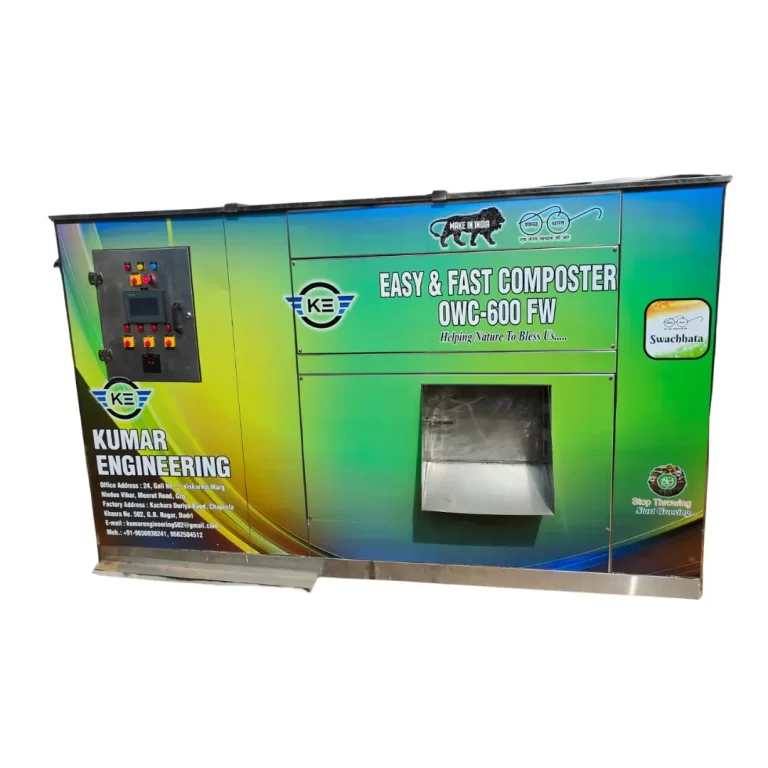
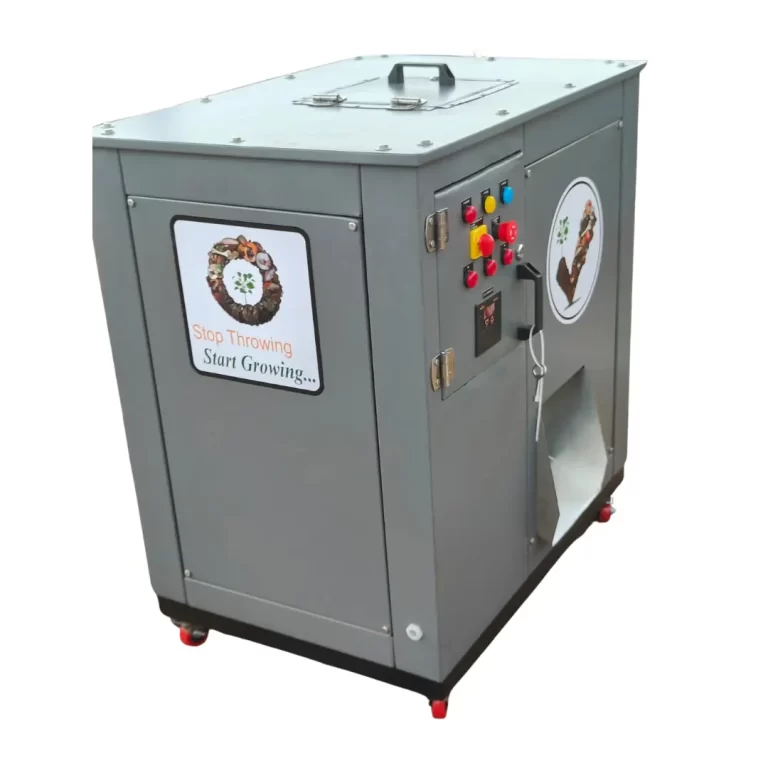
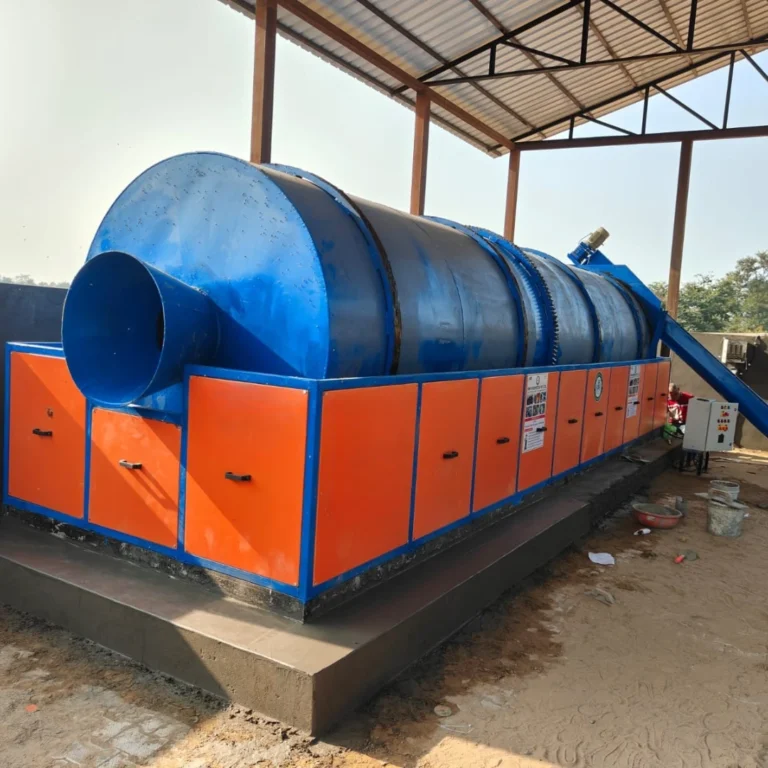
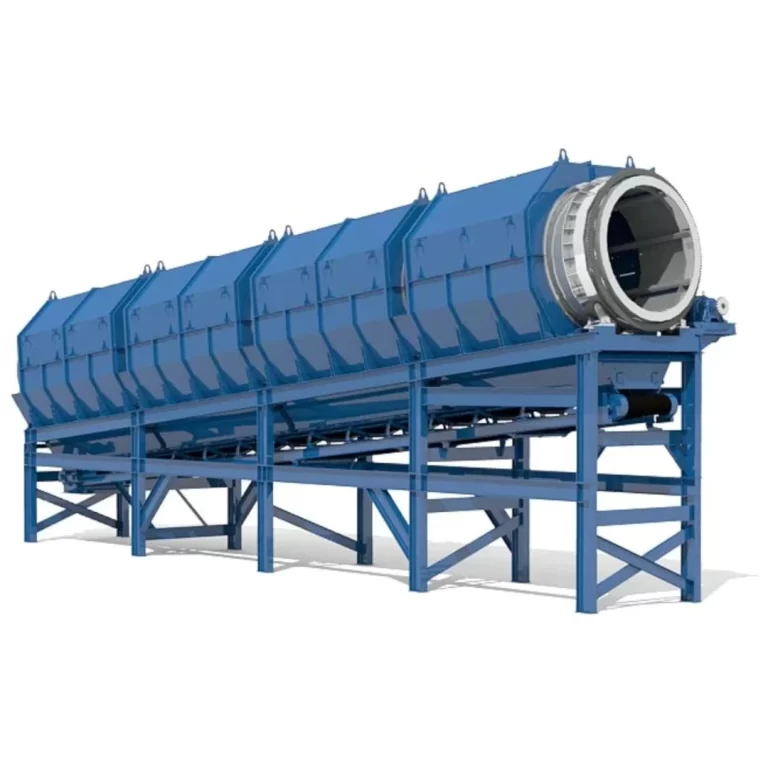
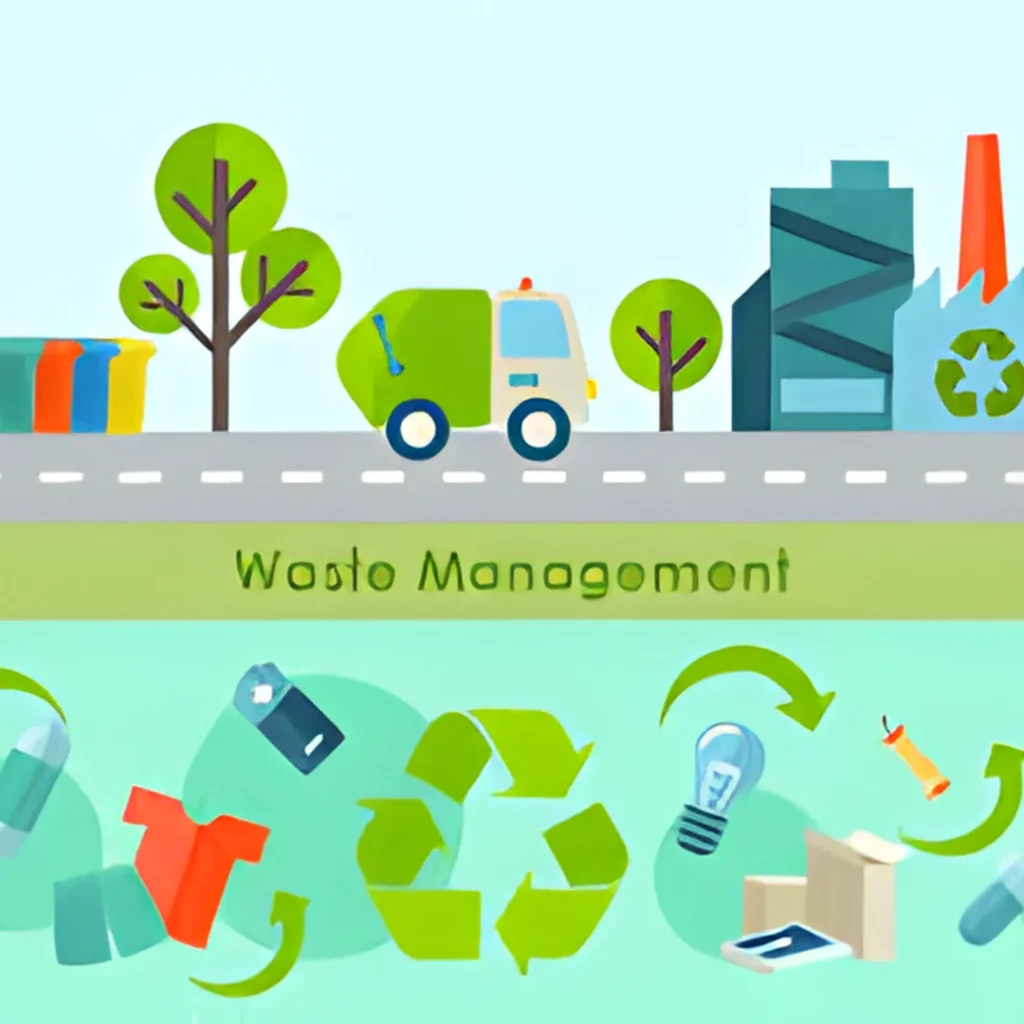
Waste management methods play a vital role in controlling pollution. Proper collection, segregation, and treatment reduce water, air, and soil pollution. Kumar Engineering, a trusted waste management machine manufacturer, creates efficient and advanced machinery that makes waste handling easy and efficient. These machines help industries and municipalities scientifically process waste, protecting the environment.
Sources of Water Pollution
Understanding the main sources of water pollution is crucial because this is how we can develop effective pollution control and waste management solutions. There are many major sources that pollute water. We will consider some of the main sources in detail here and how their impact can be mitigated.
1. Industrial Effluents
Industries such as chemical plants, textile mills, paper factories, tanneries, and food processing units generate large volumes of wastewater. This wastewater often contains toxic chemicals, heavy metals, oils, and dyes. When discharged without proper treatment, industrial effluents contaminate rivers and groundwater, making water unfit for drinking and irrigation and harming aquatic ecosystems.
2. Domestic Sewage
Domestic sewage from homes includes human waste, food residues, soaps, detergents, and other organic materials. In many urban and rural areas, sewage treatment systems are inadequate, leading to the discharge of untreated wastewater into nearby water bodies. This reduces oxygen levels in water, causes foul odors, and spreads waterborne diseases such as cholera and typhoid.
3. Agricultural Runoff
Agricultural activities use fertilizers, pesticides, and herbicides to increase crop yield. During rainfall or irrigation, excess chemicals are washed into rivers, lakes, and groundwater. This runoff leads to nutrient pollution, causing eutrophication and harmful algal blooms that reduce oxygen levels and kill fish and other aquatic organisms.
4. Plastic and Solid Waste
Improper disposal of plastic waste, packaging materials, and solid garbage is a major source of water pollution. Plastic bags, bottles, and other non-biodegradable materials often enter drains, rivers, and oceans. These materials take years to decompose and pose a serious threat to aquatic life, which may ingest or become trapped in plastic waste.
5. Oil Spills
Oil spills from ships, offshore drilling operations, refineries, and pipelines release petroleum products into water bodies. Oil forms a thick layer on the water surface, blocking sunlight and oxygen exchange. This causes severe damage to marine ecosystems and affects fisheries, coastal communities, and marine biodiversity.
6. Mining Activities
Mining operations release harmful substances such as heavy metals and acidic drainage into nearby water sources. Acid mine drainage occurs when exposed minerals react with water and oxygen, producing acidic wastewater. This contaminates rivers and groundwater, making water unsafe for drinking, agriculture, and aquatic life for long periods.
7. Urban Stormwater Runoff
In urban areas, rainwater flows over roads, rooftops, parking lots, and construction sites. As it flows, it collects pollutants such as oil, grease, chemicals, dust, and debris, which are then carried into nearby water bodies. Urban stormwater runoff significantly degrades water quality in cities.
8. Thermal Pollution
Thermal pollution occurs when industries and power plants discharge hot water into rivers and lakes after using it for cooling purposes. The increase in water temperature reduces dissolved oxygen levels and disrupts aquatic ecosystems. Many aquatic species cannot survive sudden temperature changes, leading to reduced biodiversity.
Impacts of Water Pollution
- Harm to Human Health: Polluted water contains bacteria, viruses, and toxic chemicals that cause waterborne diseases such as cholera, typhoid, diarrhea, and hepatitis. Long-term exposure can also lead to serious health issues like kidney damage and cancer.
- Damage to Aquatic Life: Water pollution reduces oxygen levels and introduces toxic substances into water bodies, leading to fish deaths and loss of aquatic biodiversity. Many species struggle to survive in polluted environments.
- Contamination of Drinking Water Sources: Polluted rivers and groundwater sources make drinking water unsafe. This increases the cost of water treatment and creates water scarcity in affected areas.
- Eutrophication and Algal Blooms: Excess nutrients from sewage and agricultural runoff cause rapid algae growth. Algal blooms block sunlight and consume oxygen, creating “dead zones” where aquatic life cannot survive.
- Disruption of Food Chains: Toxic substances and heavy metals accumulate in aquatic organisms and move up the food chain. Humans consuming contaminated fish and seafood are exposed to health risks.
- Negative Impact on Agriculture: Using polluted water for irrigation contaminates soil and crops, reducing agricultural productivity and affecting food safety.
- Economic Losses: Water pollution affects fisheries, tourism, and industrial activities. Cleaning polluted water bodies and treating diseases caused by polluted water result in high economic costs.
- Environmental Degradation: Continuous pollution leads to the destruction of natural ecosystems, wetlands, and habitats, reducing the ability of nature to purify water naturally.
Conclusion
Water pollution is caused by multiple human activities, from industrial discharge to poor waste disposal. Addressing these issues requires strict regulations, public awareness, and the use of modern waste management technologies.
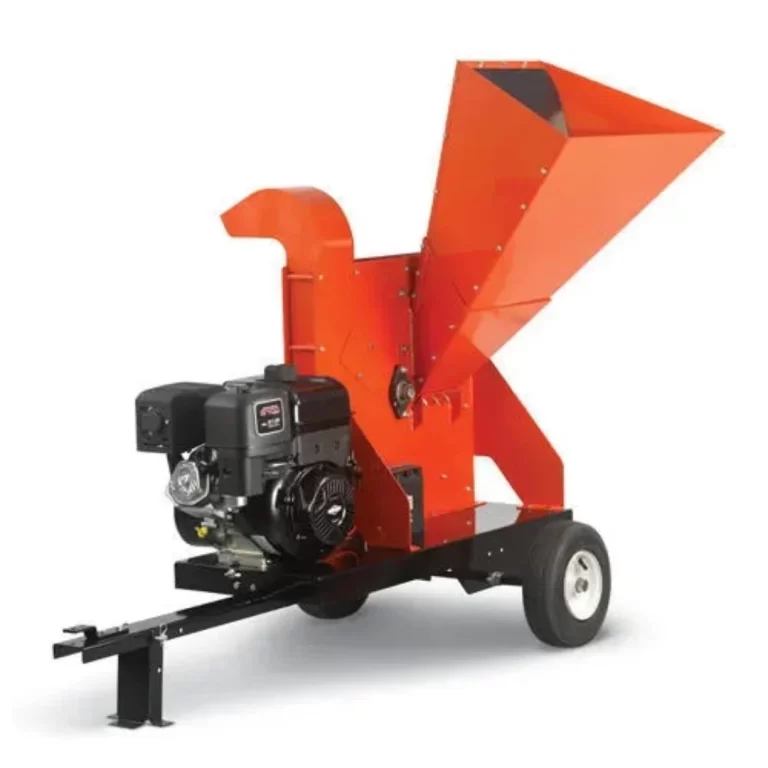
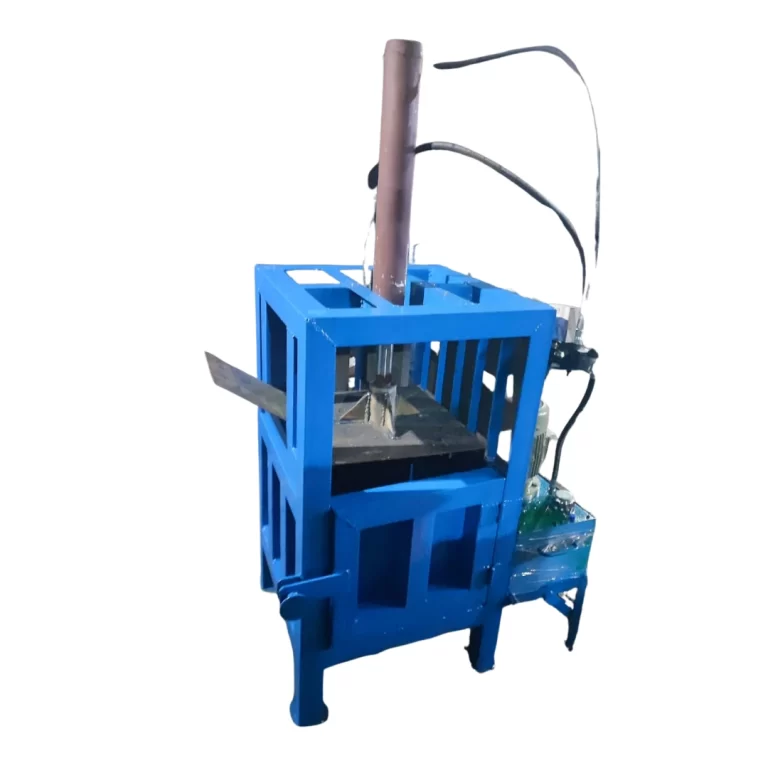
Kumar Engineering, a trusted waste management machine manufacturer, contributes to a cleaner environment by providing reliable machines for waste handling, treatment, and pollution control. Our product range includes Food Waste Composting Machine, Baling Machine, Waste Shredder or efficient waste management solution. By adopting efficient waste management solutions, industries and municipalities can significantly reduce water pollution and protect valuable water resources for future generations.