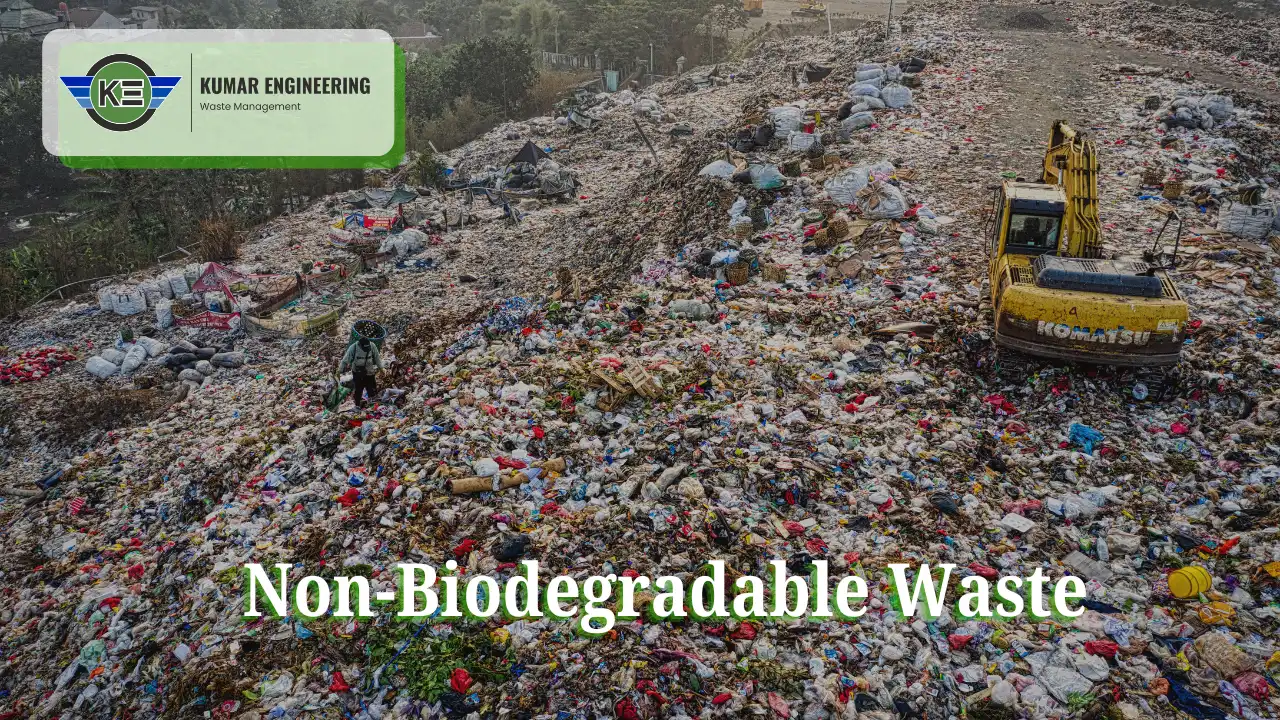
Waste management has become one of the most important environmental concerns in today’s world. With rapid industrialization, urban growth, and increasing consumption, the amount of waste generated daily is rising continuously. Among different types of waste, non-biodegradable waste creates serious environmental challenges because it does not decompose naturally.
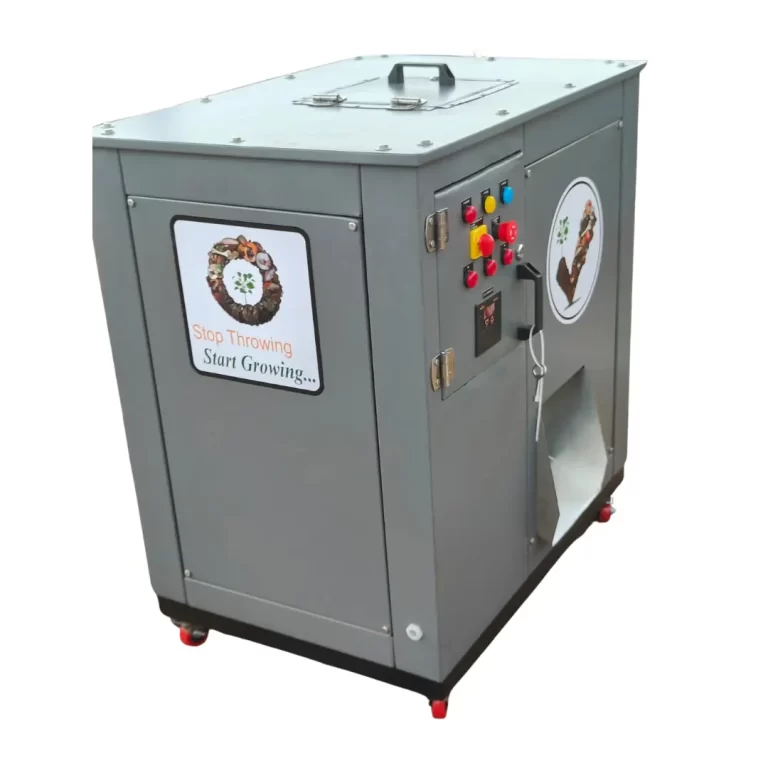
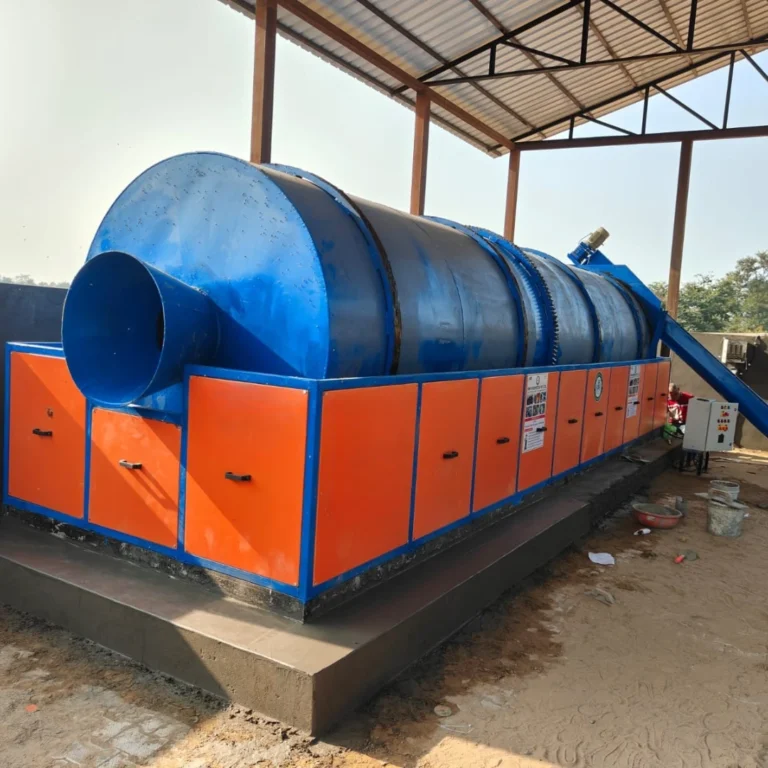
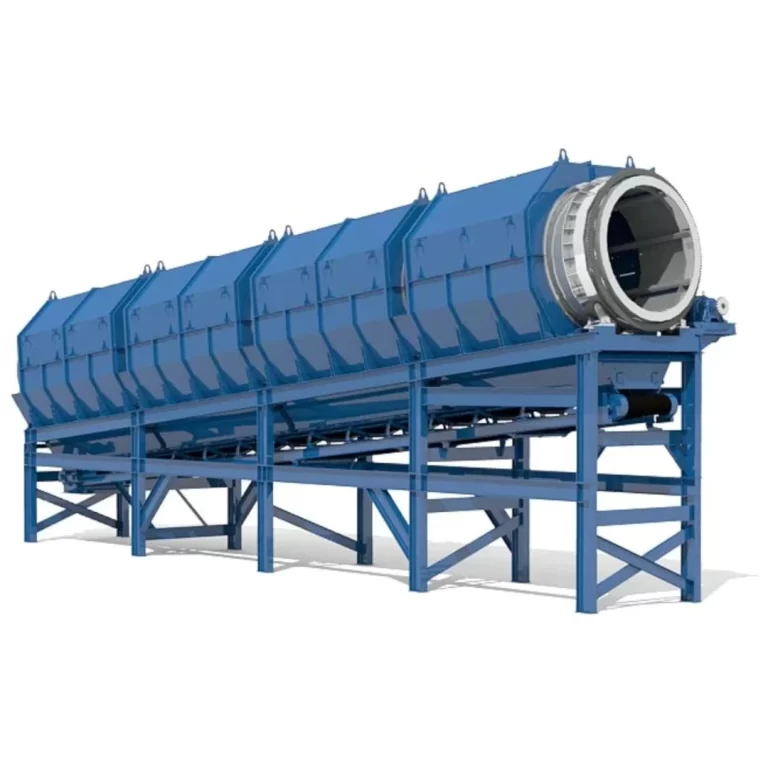
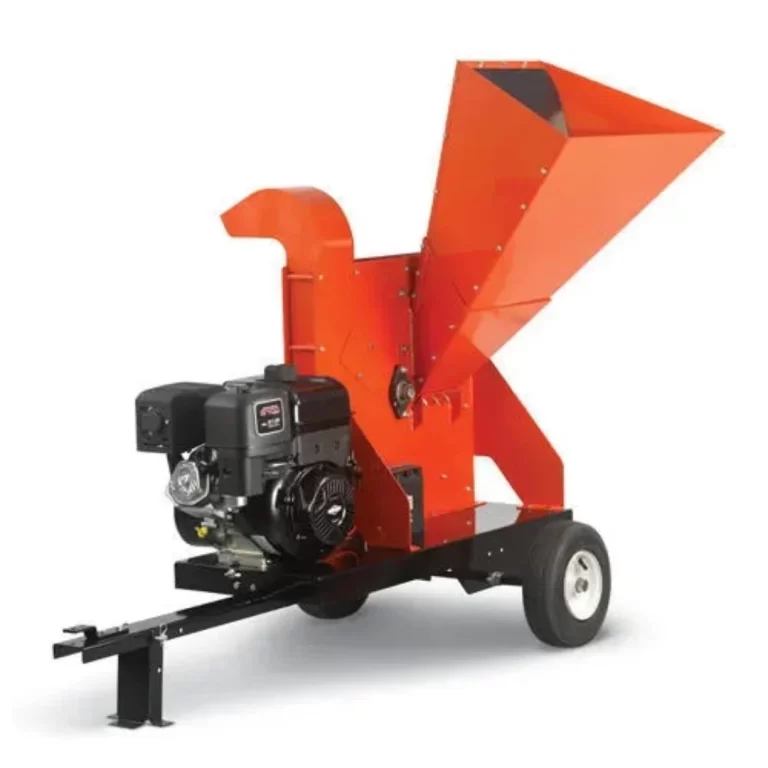
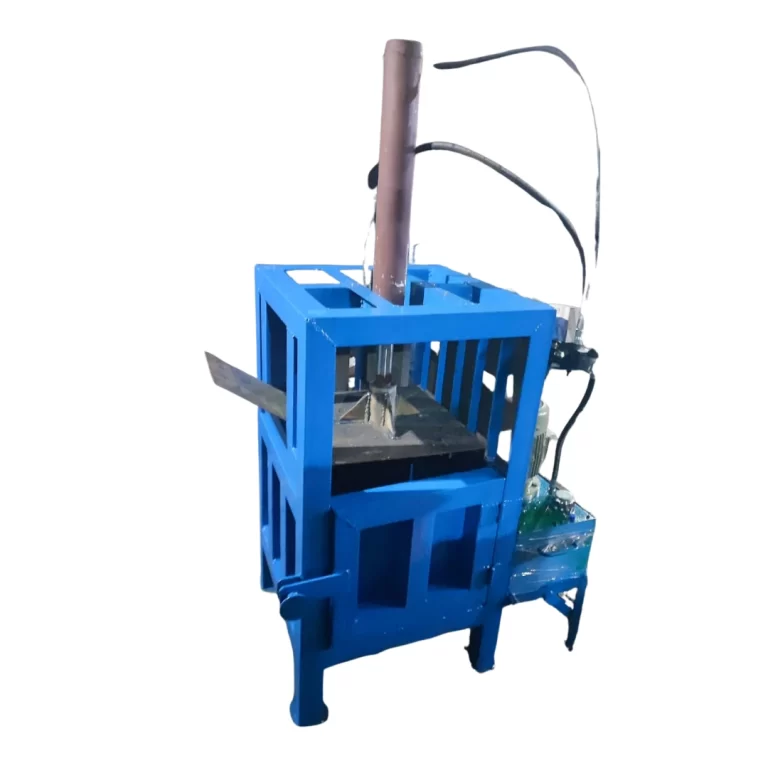
In this blog, we will understand the definition of non-biodegradable waste, its examples, environmental impact, and the key differences between biodegradable and non-biodegradable waste. We will also discuss how modern waste management equipment, like shredder machines, composter machine, baling press helps in handling such waste effectively.
What is Non-Biodegradable Waste?
Non-biodegradable waste refers to materials that cannot be broken down or decomposed naturally by microorganisms such as bacteria and fungi. These materials remain in the environment for a very long time—sometimes hundreds or even thousands of years.
Unlike organic waste, which turns into compost or natural substances, non-biodegradable waste accumulates in landfills, oceans, and soil, causing pollution and environmental damage.
Non-Biodegradable Waste Examples
Non-biodegradable waste includes a wide range of materials used in daily life and industries. Some common examples are:
1. Plastic Products
- Plastic bags
- Plastic bottles
- Food packaging
- Disposable cups and plates
Plastics are one of the biggest contributors to environmental pollution because they take hundreds of years to decompose.
2. Glass
Glass bottles and containers do not decompose naturally. However, they can be recycled multiple times.
3. Metal Waste
- Aluminum cans
- Iron scraps
- Steel materials
Metals do not biodegrade but can be recycled efficiently.
4. Electronic Waste (E-Waste)
- Mobile phones
- Computers
- Batteries
- Electronic appliances
E-waste contains toxic substances like lead and mercury, which can harm the environment and human health.
5. Synthetic Chemicals
- Pesticides
- Detergents
- Industrial chemicals
These substances remain in the environment and may contaminate water and soil.
Environmental Impact of Non-Biodegradable Waste
Non-biodegradable waste has serious consequences on the environment and living organisms.
1. Soil Pollution
Plastic and chemical waste reduce soil fertility and disturb natural ecosystems.
2. Water Pollution
Plastic waste in rivers and oceans harms aquatic life. Marine animals often mistake plastic for food, leading to death.
3. Air Pollution
Burning non-biodegradable waste releases toxic gases, which cause respiratory problems and contribute to global warming.
4. Landfill Overflow
Large amounts of non-biodegradable waste occupy landfill space for decades, creating waste management problems.
5. Health Hazards
Improper disposal of e-waste and chemical waste can lead to serious health risks for humans.
What is Biodegradable Waste?
Biodegradable waste refers to materials that can be naturally broken down and decomposed by microorganisms such as bacteria, fungi, and other living organisms. These wastes decompose over time and turn into natural substances like compost, water, carbon dioxide, and organic matter.
Biodegradable waste usually comes from plants and animals and does not remain in the environment for a long period if managed properly.
Examples of Biodegradable Waste
Here are some common examples:
1. Food Waste
- Vegetable peels
- Fruit scraps
- Leftover food
- Egg shells
2. Garden Waste
- Dry leaves
- Grass clippings
- Small branches
- Flowers
3. Paper Products
- Paper bags
- Newspapers
- Cardboard (without plastic coating)
4. Animal Waste
- Cow dung
- Manure
Importance of Biodegradable Waste Management
- It can be converted into compost or organic fertilizer.
- It reduces landfill waste.
- It is environmentally friendly.
- It improves soil fertility.
Proper segregation of biodegradable and non-biodegradable waste helps in effective waste management and environmental protection.
Importance of Proper Waste Management
To reduce the impact of non-biodegradable waste, effective waste management practices are necessary:
- Waste segregation at source
- Recycling and reusing materials
- Reducing plastic usage
- Using eco-friendly alternatives
- Installing advanced waste processing machines
Industrial and municipal sectors require reliable machinery to handle large volumes of waste efficiently.
Role of Waste Shredder Machines in Managing Non-Biodegradable Waste
Non-biodegradable waste such as plastic, rubber, metal, and e-waste often needs to be processed before recycling. Waste shredder machines play a crucial role in:
- Reducing waste size
- Making transportation easier
- Preparing materials for recycling
- Increasing recycling efficiency
- Minimizing landfill load
A powerful shredder ensures that bulky waste materials are broken into smaller, manageable pieces.
Kumar Engineering – Trusted Waste Shredder Machine Manufacturer
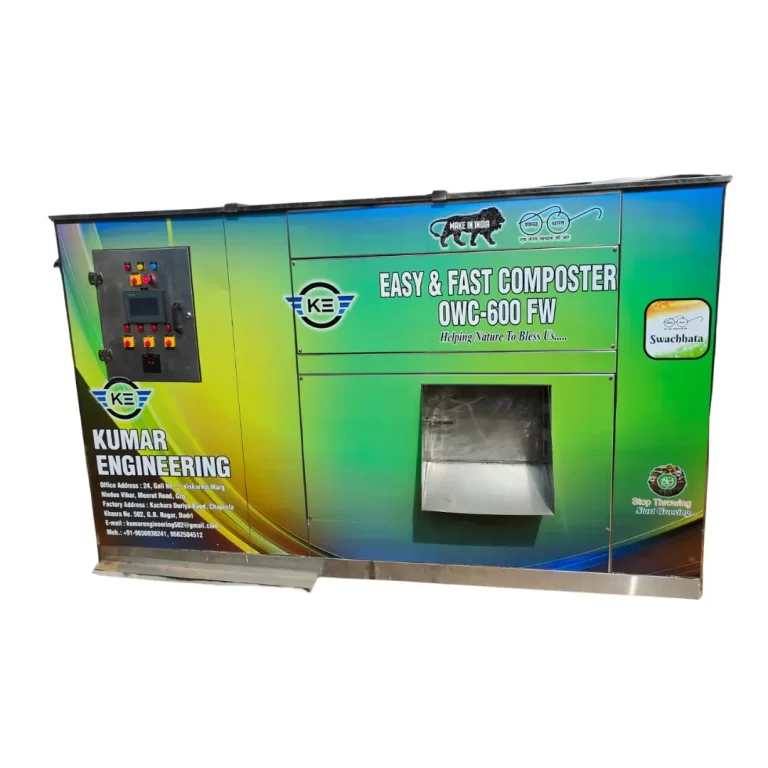
Kumar Engineering is a well-known Waste Management Solution Manufacturer, offering highly efficient and advanced machines designed to handle different types of waste in an eco-friendly and cost-effective manner. With a strong focus on quality, innovation, and performance, the company provides reliable equipment for industries, municipalities, hotels, hospitals, housing societies, and commercial establishments.
Our wide range of products includes Food Waste Composting Machines, Shredder Machines, and Baling Machines, all engineered to deliver high efficiency, durability, and easy operation.
Our machines are built with strong materials, efficient motors, and user-friendly designs to ensure smooth operation and long service life. By providing effective shredding solutions, we contribute to better recycling processes and sustainable waste management practices.
How to Reduce Non-Biodegradable Waste
Individuals and industries can take several steps to reduce non-biodegradable waste:
- Avoid single-use plastics
- Use reusable bags and bottles
- Support recycling programs
- Choose eco-friendly packaging
- Dispose of e-waste properly
Conclusion
Non-biodegradable waste is one of the major environmental challenges of our time. Since it does not decompose naturally, it causes long-term pollution in soil, water, and air. Common examples include plastic, glass, metals, and electronic waste.
Understanding the difference between biodegradable and non-biodegradable waste helps in proper segregation and disposal. Advanced waste processing solutions, such as shredder machines from trusted manufacturers like Kumar Engineering, play a vital role in managing and recycling non-biodegradable waste efficiently.
By adopting responsible waste management practices and using modern technology, we can reduce environmental damage and move toward a cleaner and greener future.