Digital world is growing rapidly, electronic devices and technology have become an essential part of our daily lives. From smartphones and laptops to televisions and industrial equipment, technology continues to evolve rapidly. However, this advancement has also led to a serious environmental challenge—electronic waste, commonly known as e-waste. Improper disposal and handling of e-waste are causing severe harm to both human health and the environment. Understanding these harmful effects of e waste is crucial for building a sustainable future.
What is E-Waste?
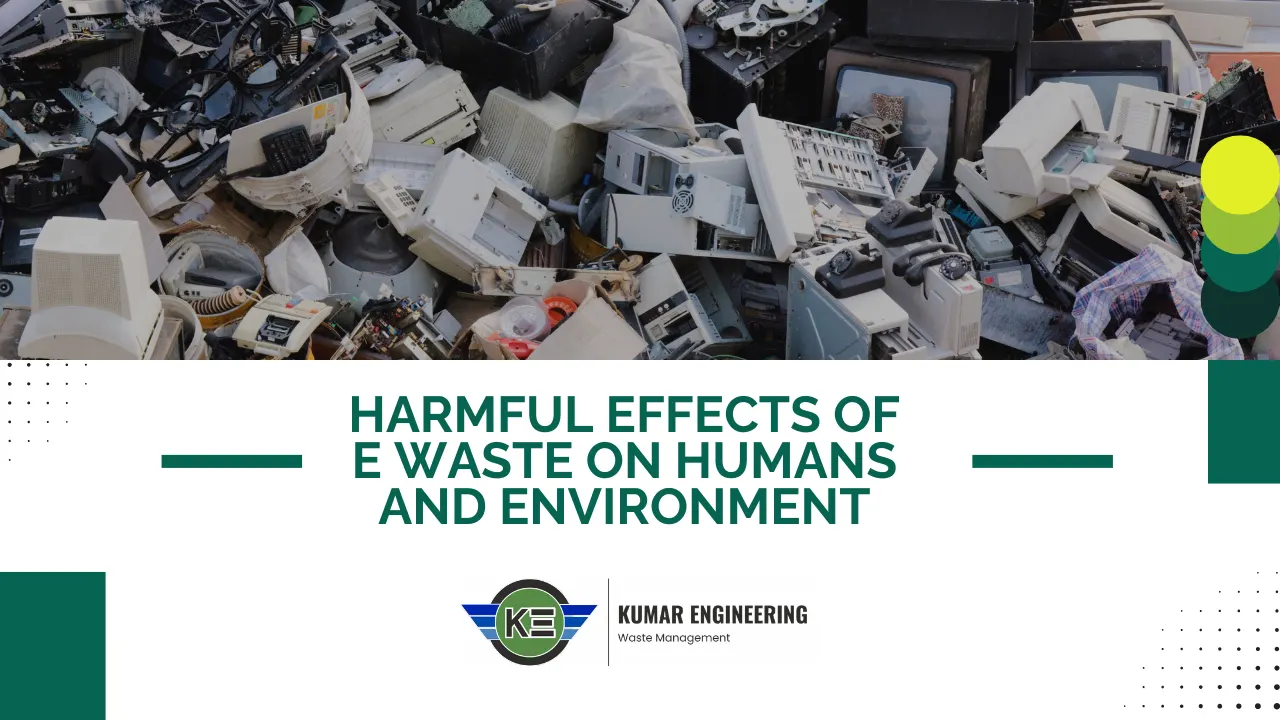
E-waste refers to discarded electronic devices and components that are no longer in use or have reached the end of their lifecycle. This includes items such as computers, mobile phones, batteries, refrigerators, and other electrical equipment. Many of these products contain hazardous materials like lead, mercury, cadmium, and brominated flame retardants, which pose significant risks when not handled properly.
Why e-waste is harmful
E-waste is harmful because it contains toxic chemicals like lead and mercury that pollute the environment. When electronic items are thrown away or burned, these harmful substances contaminate air, water, and soil, leading to serious health problems such as respiratory issues and other diseases.
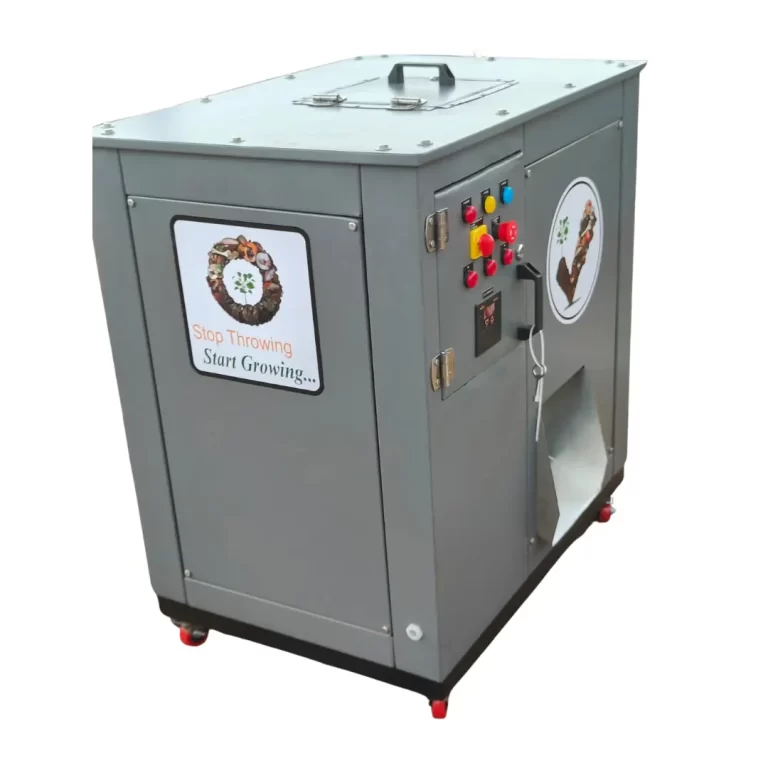
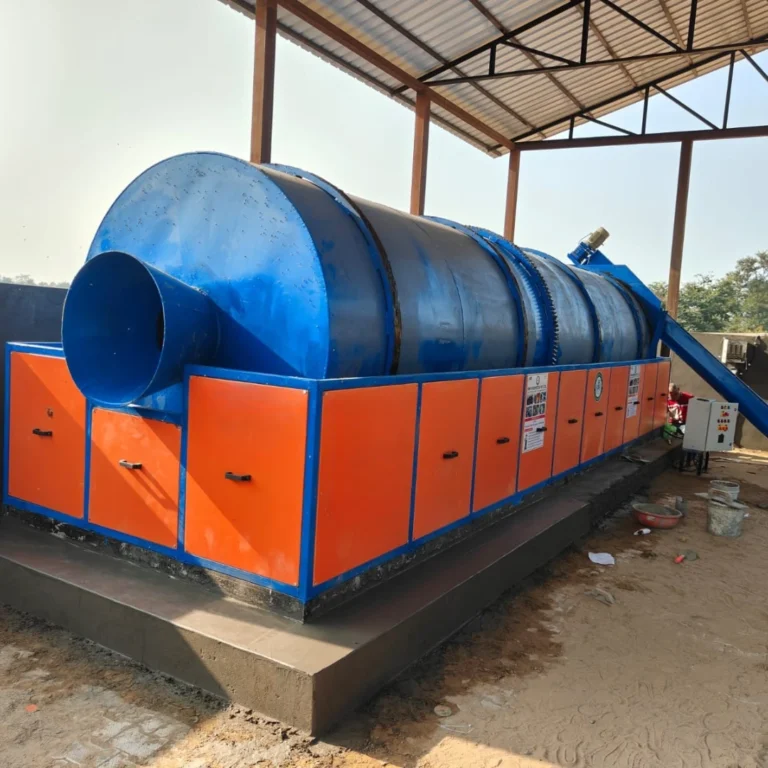
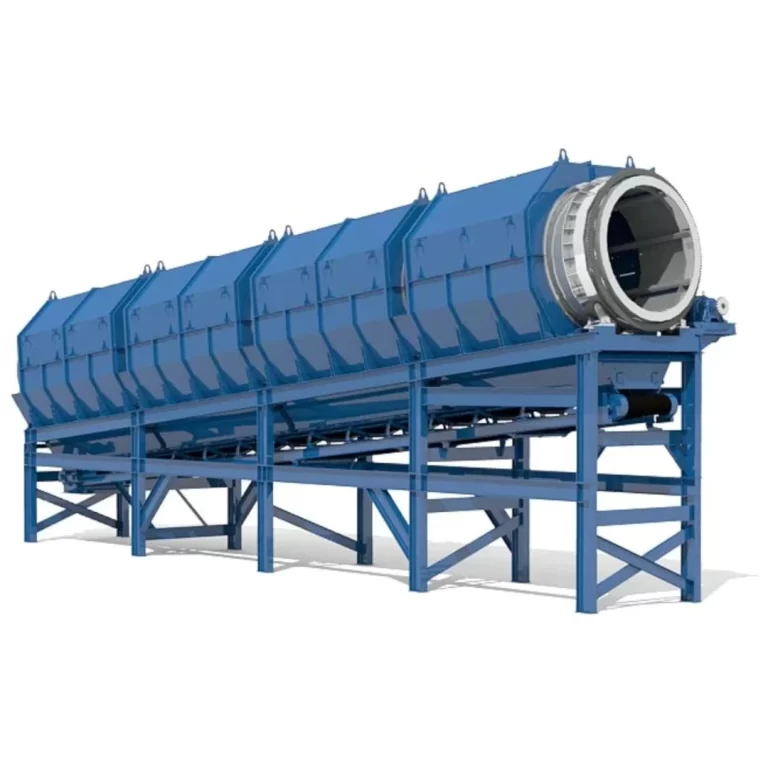
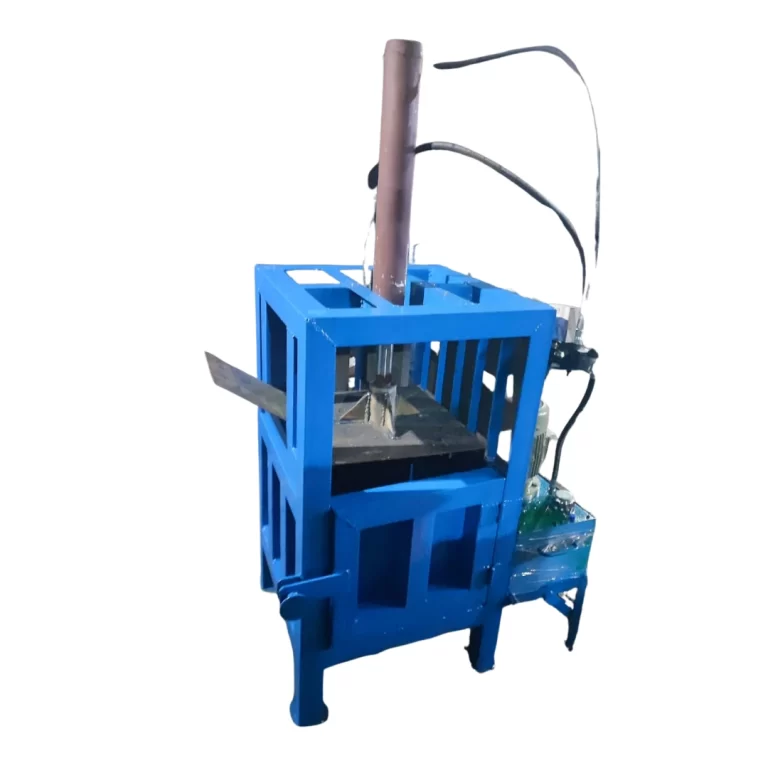
For managing the harmful effects of e waste effectively, Kumar Engineering offers a range of advanced waste management solutions designed to handle electronic waste in a safe and efficient manner. E-waste not only damages the environment by reducing soil fertility, polluting water bodies, and harming wildlife, but it also leads to the loss of valuable resources like metals that could otherwise be recovered and reused.
Harmful Effects of E-Waste on Human Health
Improper recycling and disposal of e-waste can expose individuals to toxic substances, leading to various health issues. Below are some of the major impacts:
1. Exposure to Toxic Chemicals
E-waste contains harmful elements such as lead, mercury, and arsenic. When these materials are released into the environment, they can enter the human body through inhalation, ingestion, or skin contact. Long-term exposure can lead to serious health problems, including neurological disorders, kidney damage, and respiratory issues.
2. Impact on Nervous System
Lead and mercury present in electronic waste can severely affect the human nervous system. Children are especially vulnerable, as these toxins can impair brain development, reduce cognitive abilities, and cause behavioral changes.
3. Respiratory Problems
Burning e-waste to extract valuable metals releases toxic fumes into the air. These fumes can cause respiratory diseases such as asthma, bronchitis, and other lung-related issues. Workers involved in informal recycling are at higher risk due to continuous exposure.
4. Skin and Eye Irritation
Handling e-waste without proper protection can lead to skin allergies, rashes, and eye irritation. Chemicals and dust from dismantled electronics can be harmful when they come into direct contact with the body.
5. Increased Risk of Chronic Diseases
Prolonged exposure to hazardous substances in e-waste can increase the risk of chronic diseases, including cancer. Toxic compounds can accumulate in the body over time, leading to long-term health complications.
Harmful Effects of E-Waste on the Environment
E-waste does not only affect humans—it also has devastating consequences for the environment.
1. Soil Contamination
When e-waste is dumped in landfills, toxic substances can seep into the soil. This contamination reduces soil fertility and affects agricultural productivity. Crops grown in polluted soil may also carry harmful chemicals, entering the food chain.
2. Water Pollution
Hazardous materials from e-waste can leach into groundwater and nearby water bodies. This leads to water pollution, affecting aquatic life and making water unsafe for human consumption. Contaminated water can spread toxins over large areas, creating widespread environmental damage.
3. Air Pollution
Burning electronic waste releases harmful gases such as dioxins and furans into the atmosphere. These pollutants contribute to air pollution and can have severe impacts on both human health and the environment. They also play a role in climate change.
4. Impact on Wildlife
Animals and marine life are highly affected by e-waste pollution. Toxic chemicals can accumulate in their bodies, leading to illness, reproductive issues, and even death. The imbalance caused by pollution can disrupt entire ecosystems.
5. Resource Depletion
Electronic devices contain valuable materials like gold, silver, and copper. When e-waste is not recycled properly, these resources are lost. This leads to increased mining activities, which further harm the environment through deforestation and habitat destruction.
Growing Concern of E-Waste
With the increasing demand for new and upgraded gadgets, the volume of e-waste is rising at an alarming rate. Consumers frequently replace their devices due to technological advancements, shorter product lifespans, and changing trends. As a result, large quantities of electronic waste are generated every year, much of which is not recycled or managed responsibly.
Importance of Proper E-Waste Management
Managing e-waste responsibly is essential to minimize its harmful effects. Proper recycling and disposal methods can significantly reduce environmental pollution and health risks. It is important to create awareness among individuals, industries, and governments about sustainable practices.
Companies like Kumar Engineering are playing a vital role in promoting efficient waste management solutions and encouraging industries to adopt responsible practices. By supporting eco-friendly technologies and proper disposal systems, such organizations contribute to reducing the negative impact of e-waste.
Steps to Reduce E-Waste Impact
1. Reduce and Reuse
Consumers should avoid unnecessary purchases and try to use electronic devices for a longer period. Repairing and upgrading existing gadgets can help reduce waste generation.
2. Recycling
Proper recycling of e-waste ensures that hazardous materials are handled safely and valuable resources are recovered. Authorized recycling centers should be used for disposal.
3. Awareness and Education
Educating people about the harmful effects of e-waste is crucial. Awareness campaigns can encourage responsible behavior and promote sustainable practices.
4. Government Regulations
Strict policies and regulations are needed to control e-waste disposal and promote recycling. Governments should ensure proper implementation of laws to protect the environment.
5. Corporate Responsibility
Industries must take responsibility for managing the waste generated by their products. Adopting eco-friendly manufacturing processes and take-back programs can help reduce the burden of e-waste.
Conclusion
E-waste is one of the fastest-growing environmental challenges in the modern world. Its harmful effects of e waste on human health and the environment cannot be ignored. Toxic chemicals, pollution, and resource depletion are serious concerns that require immediate attention. Kumar Engineering, a leading manufacturer of waste management equipment or machines offer high quality E waste shredder machines. We can work towards a cleaner and healthier future. Sustainable actions today will ensure a better tomorrow for generations to come.