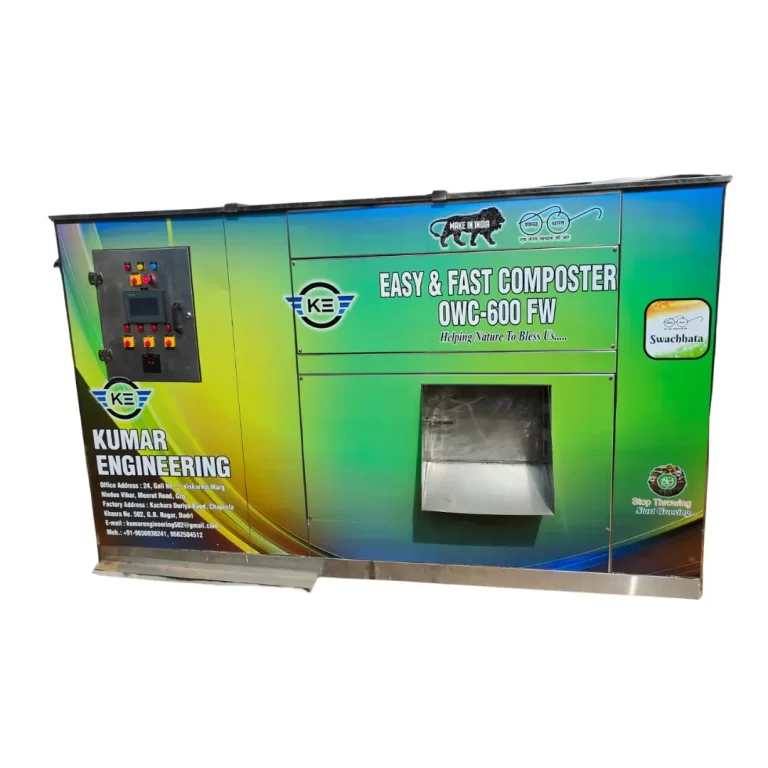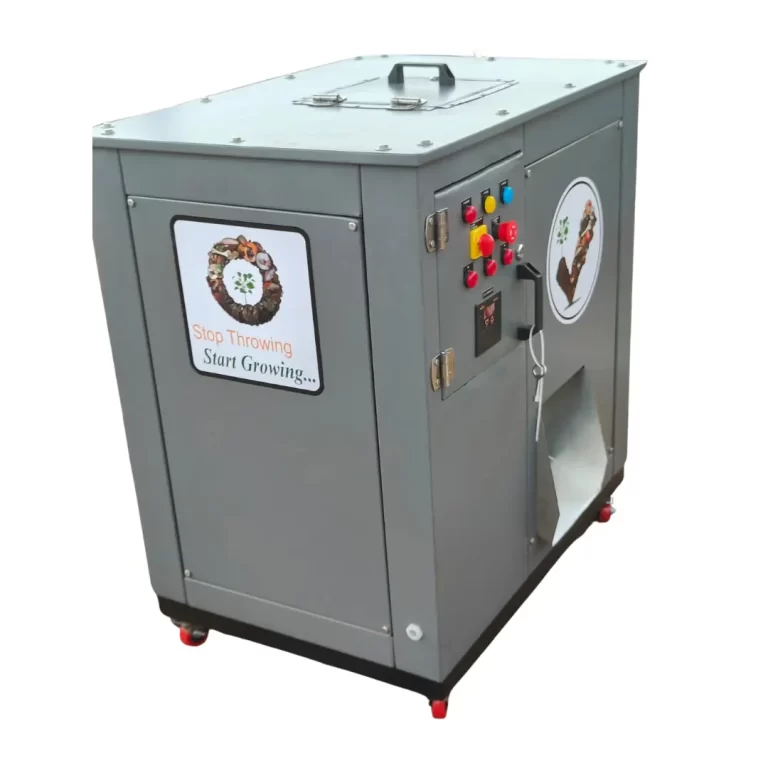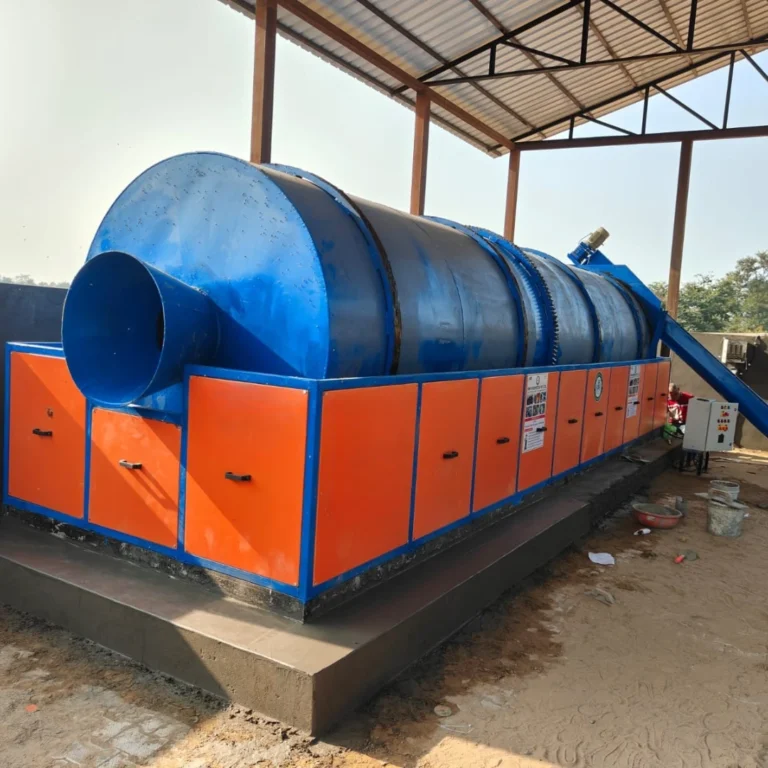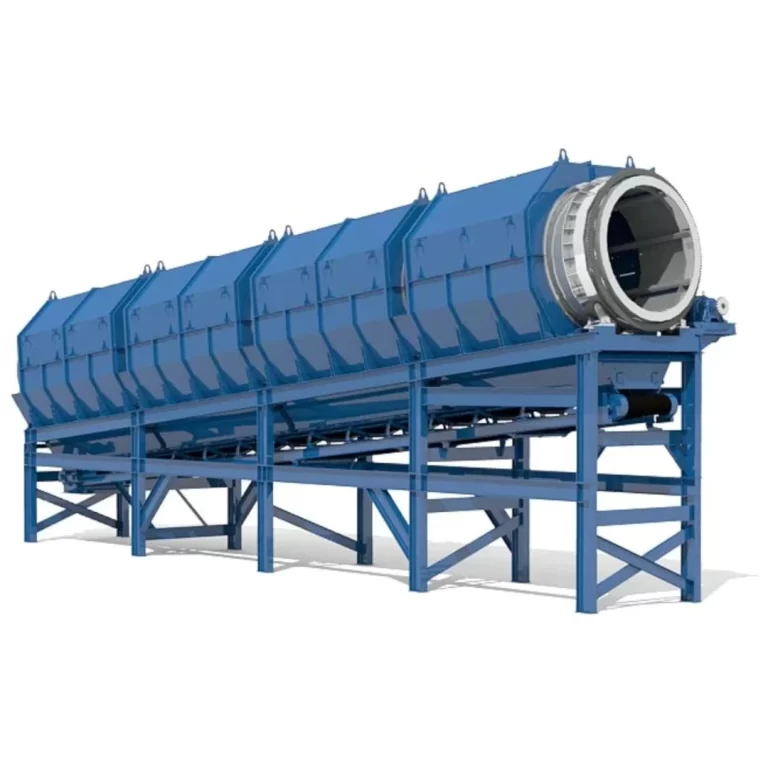
In today’s industrial and waste management sectors, handling bulky waste efficiently is a major challenge. Materials such as cardboard, plastic, paper, agricultural residue, and industrial scrap occupy large storage spaces and increase transportation costs if not managed properly. This is where baler machines play a crucial role. Baler machines compress loose materials into compact, dense bales, making storage, handling, and recycling more economical and organized.
As industries increasingly focus on sustainability and cost efficiency, the demand for high-performance baler machines continues to rise. Kumar Engineering, a leading manufacturer of baler machines in India, offers advanced, durable, and customized baling solutions for diverse industrial applications.
What Is a Baler Machine?
A baler machine is an industrial machine designed to compress waste or recyclable materials into compact bales using mechanical or hydraulic force. These bales are easy to stack, transport, and recycle, helping industries reduce waste volume by up to 80–90%.
Baler machines are widely used in recycling plants, warehouses, factories, agriculture, textile units, and municipal waste management systems.
Types of Baler Machines
To achieve the best return on investment in baling equipment, it is important to assess not only the initial purchase cost but also maintenance, operating expenses, and long-term savings from reduced storage and transportation costs. Selecting the biggest or fastest baler is not always the most economical choice. Instead, businesses should compare manual, semi-automatic, and fully automatic balers based on their actual waste volume, material type, and future recycling plans. Understanding the advantages of each baler type helps in choosing the most efficient and cost-effective solution for specific operational needs.
Vertical Baler Machines
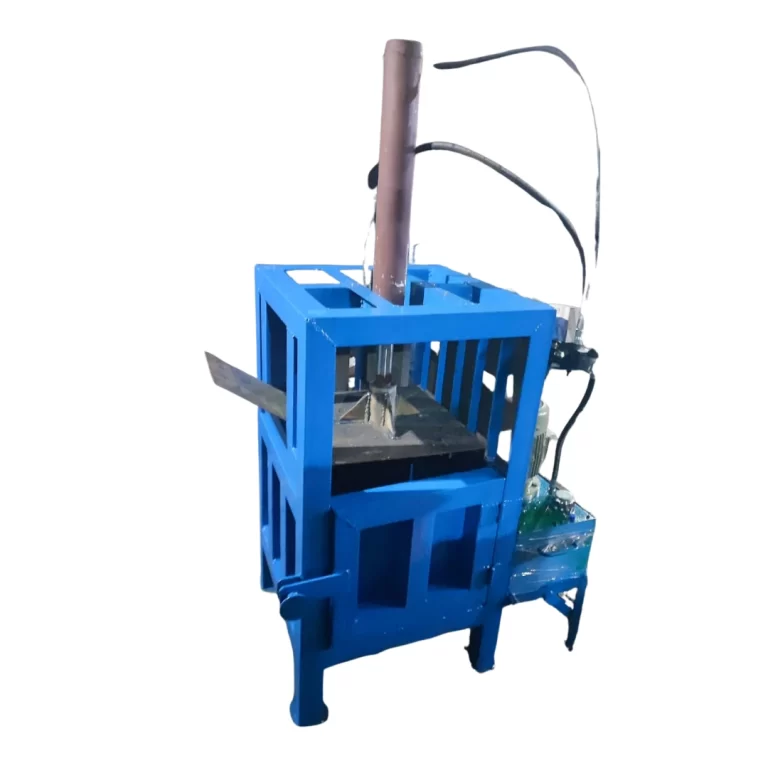
Vertical baler machines are compact and space-efficient machines where the material is loaded manually or mechanically into a vertical chamber and compressed from top to bottom using hydraulic pressure. These machines are ideal for businesses that generate moderate amounts of recyclable waste and have limited floor space. Vertical balers are easy to operate, require minimal maintenance, and produce uniform, easy-to-handle bales. They are commonly used for baling cardboard boxes, plastic wrap, paper waste, and textile scraps in retail stores, warehouses, small manufacturing units, and commercial establishments.
Horizontal Baler Machines
Horizontal baler machines are designed for high-volume waste processing and continuous operation. In these machines, material is fed horizontally—often through conveyors—and compressed using powerful hydraulic rams. Horizontal balers can be fully automatic, semi-automatic, or manual, depending on the level of automation required. They are capable of producing large, dense bales at a fast rate, making them ideal for large recycling facilities, paper mills, packaging industries, and waste management plants. Their high productivity, consistent bale density, and reduced labor requirement make them a preferred choice for large-scale industrial applications.
Hydraulic Baler Machines
Hydraulic baler machines use hydraulic cylinders and pumps to generate high compression force, allowing them to handle tough and bulky materials efficiently. These balers are known for their strong pressing power, durability, and consistent performance. Hydraulic balers are suitable for baling materials such as plastic waste, aluminum cans, metal scrap, textile waste, and agricultural residues. Due to their robust construction and high-pressure capability, they are widely used in heavy-duty industrial environments where reliability and long service life are essential.
Manual and Semi-Automatic Baler Machines
Manual and semi-automatic baler machines are cost-effective solutions for small businesses and facilities with low to medium waste generation. Manual balers require operator involvement for feeding, compression, and bale tying, while semi-automatic balers automate some of these processes to improve efficiency. These machines are simple in design, easy to install, and economical to operate. They are commonly used in small factories, shops, warehouses, farms, and local recycling centers where budget constraints and limited waste volume make fully automatic balers unnecessary.
PET Bottle Baler Machines
PET bottle baler machines are specially designed for compressing plastic bottles and lightweight plastic containers into dense, manageable bales. These machines help reduce the large volume of PET waste generated by beverage companies, recycling plants, hotels, and municipalities. PET bottle balers improve transportation efficiency and make recycling processes more economical. They can be available in both vertical and horizontal configurations depending on capacity requirements and are essential for plastic recycling operations.
Cotton and Textile Baler Machines
Cotton and textile baler machines are used extensively in the textile, garment, and cotton processing industries. These balers compress loose cotton, fabric scraps, yarn waste, and textile residues into compact bales for easy storage and transport. Designed to handle soft yet bulky materials, these machines ensure uniform bale size and optimal density without damaging the fiber quality. Textile balers play a vital role in waste reduction and material reuse in spinning mills, weaving units, and garment manufacturing facilities.
Agricultural Baler Machines
Agricultural baler machines are used to compress crop residues such as hay, straw, sugarcane trash, and other biomass materials. These balers help farmers and agro-industries store and transport agricultural waste efficiently while reducing handling time and storage space. Balers machine agriculture support biomass utilization, animal feed preparation, and waste-to-energy processes. Their sturdy construction and high-capacity design make them suitable for rural and outdoor operating conditions.
Single Ram Baler
A single ram baler uses one hydraulic ram to compress and form the bale. The same ram performs both material compression and bale ejection, making the machine compact, cost-effective, and easy to maintain. Single ram balers are ideal for baling uniform materials such as cardboard, paper, plastic, and PET bottles. They are widely used in recycling centers, warehouses, and small to medium industrial facilities where consistent bale size and moderate production capacity are required.
Double Ram Baler
A double ram baler is equipped with two hydraulic rams—one for compressing the material and another for ejecting or final shaping of the bale. This design allows for higher compression force, faster operation, and better control over bale density. Double ram balers are suitable for handling heavy, irregular, or mixed materials such as metal scrap, hard plastics, textile waste, and industrial waste. Due to their high efficiency and continuous operation capability, they are commonly used in large recycling plants and high-volume industrial applications.
Ferrous Baler
Ferrous balers use powerful hydraulic systems to generate high compression force, allowing them to handle tough, rigid, and irregular metal materials with ease. The compressed metal bales produced have uniform size and high density, which improves furnace charging efficiency and enhances the value of scrap material in recycling markets.
Main Parts of a Baler Machine
A baler machine consists of several essential components that work together to ensure efficient baling.
1. Feeding Chamber: The chamber where loose material is loaded for compression.
2. Compression Ram: Applies pressure to compress the material into dense bales.
3. Hydraulic System: Includes hydraulic cylinders, pumps, valves, and oil tank that generate compression force.
4. Control Panel: Used to operate and monitor machine functions, ensuring safety and efficiency.
5. Bale Ejection System: Helps in smooth removal of finished bales.
6. Frame Structure: A heavy-duty steel structure that provides stability and durability to the machine.
Accessories Used in Baler Machines
To enhance performance and usability, baler machines can be equipped with various accessories:
- Baling Wire or Strapping – Used to tie and secure the compressed bales
- Conveyor System – For automatic material feeding
- Auto-Tie System – Reduces manual effort and increases productivity
- PLC Control Panel – Ensures automated and precise machine operation
- Oil Cooling System – Maintains hydraulic system efficiency during continuous operation
- Safety Guards and Sensors – Prevent accidents and ensure operator safety
What are Baler Machines Used For?
Baler machines are widely used across multiple industries:
1. Recycling Industry: Used for baling paper, cardboard, plastic, PET bottles, and aluminum cans.
2. Waste Management: Municipal corporations and waste processing plants use balers to manage dry waste efficiently.
3. Manufacturing Units: Factories generate large volumes of packaging waste, which can be compacted using balers.
4. Agriculture Sector: Used for baling crop residues, hay, straw, and cotton for easy transport and storage.
5. Textile Industry: Ideal for baling fabric waste, yarn waste, and cotton scraps.
6. Warehouses and Logistics: Helps in managing packaging waste and maintaining a clean working environment.
Benefits of Using Baler Machines
- Reduces waste volume significantly
- Lowers transportation and storage costs
- Improves workplace cleanliness
- Enhances recycling efficiency
- Supports sustainable waste management
- Saves labor and time
Kumar Engineering – A Leading Baler Machine Manufacturer
Kumar Engineering is a trusted name in the manufacturing of high-quality baler machines. With years of industry experience, the company offers a wide range of vertical balers, horizontal balers, hydraulic balers, and customized baling solutions to meet specific client requirements.
Why Choose Kumar Engineering?
- Robust and durable machine design
- Advanced hydraulic technology
- Customized capacity and automation options
- Energy-efficient and low-maintenance machines
- Strong after-sales service and technical support
- Compliance with industry safety standards
Kumar Engineering focuses on delivering reliable, efficient, and cost-effective baler machines that help industries streamline waste handling and promote environmental sustainability.
Conclusion
Baler machines have become an essential part of modern waste management and recycling systems. From reducing waste volume to improving operational efficiency, they offer numerous benefits across industries. Understanding the types, parts, accessories, and applications of baler machines helps businesses choose the right solution for their needs.
With its commitment to quality, innovation, and customer satisfaction, Kumar Engineering- a leading baler machine manufacturer, providing dependable solutions for industrial, commercial, and agricultural applications. Investing in a baler machine is a smart step toward efficient waste management and sustainable growth.