Waste management has become one of the most critical environmental concerns in the modern world. With rapid urbanization, industrial expansion, and population growth, the amount of waste generated daily is increasing at a significant rate. Proper waste management is essential to maintain environmental balance, protect public health, and promote sustainable development.
Every day, households, industries, commercial establishments, and institutions generate large quantities of waste. If this waste is not managed properly, it can lead to severe environmental issues such as air pollution, water contamination, soil degradation, and the spread of diseases. Therefore, adopting effective waste management strategies has become an urgent need for cities and industries worldwide.
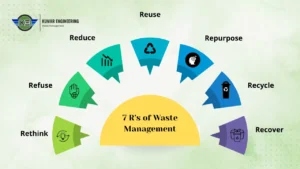
Modern waste management focuses on reducing waste generation, recycling materials, and converting waste into useful resources. To achieve this efficiently, advanced waste management machinery and technologies are required. Manufacturers like Kumar Engineering play an important role in supporting waste management systems by manufacturing different types of waste processing machines used in waste handling and recycling operations.
Understanding Waste Management
Waste management refers to the systematic process of collecting, transporting, processing, recycling, and disposing of waste materials. The main objective of waste management is to minimize environmental impact while maximizing resource recovery.
Effective waste management involves several stages including waste segregation, treatment, recycling, and safe disposal. By adopting proper waste management practices, communities and industries can significantly reduce pollution and conserve natural resources.
In modern waste management systems, technology and machinery play a vital role in improving efficiency and reducing manual labor. Advanced machines help process waste faster, improve recycling rates, and make waste management operations more organized and sustainable.
Rising Waste Generation
With economic development and changing lifestyles, the volume of waste generated across cities and industries continues to increase. Urban areas generate different types of waste including household waste, food waste, plastic waste, packaging materials, and industrial waste.
One of the most challenging aspects of waste management is handling organic waste such as food scraps, vegetable waste, and biodegradable materials. Organic waste forms a large portion of municipal waste and needs to be processed properly to avoid environmental damage.
Similarly, recyclable materials such as paper, cardboard, plastic, and metals must be properly sorted and processed to ensure they can be reused effectively. Without proper waste processing infrastructure, valuable resources are often lost in landfills.
Importance of Modern Waste Management Systems
Modern waste management systems are designed to reduce waste accumulation, improve recycling efficiency, and promote sustainable waste handling practices. These systems help municipalities, industries, and commercial establishments manage waste more effectively.
Advanced waste management solutions allow organizations to reduce landfill waste, recycle materials, and convert organic waste into useful products such as compost. This approach not only protects the environment but also creates economic opportunities in recycling and waste processing industries.
To support these systems, reliable machinery is required for handling different stages of waste processing. Companies like Kumar Engineering contribute to this sector by manufacturing various waste management machines used in waste processing plants and recycling facilities.
Waste Management Machinery
Efficient waste management requires specialized equipment that can handle different types of waste materials. Waste management machines help reduce the volume of waste, improve segregation, and support recycling operations.
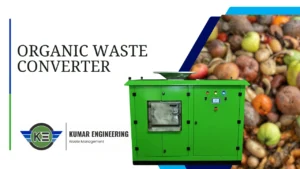
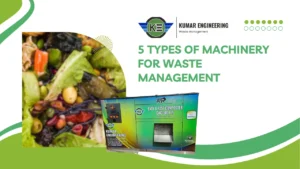
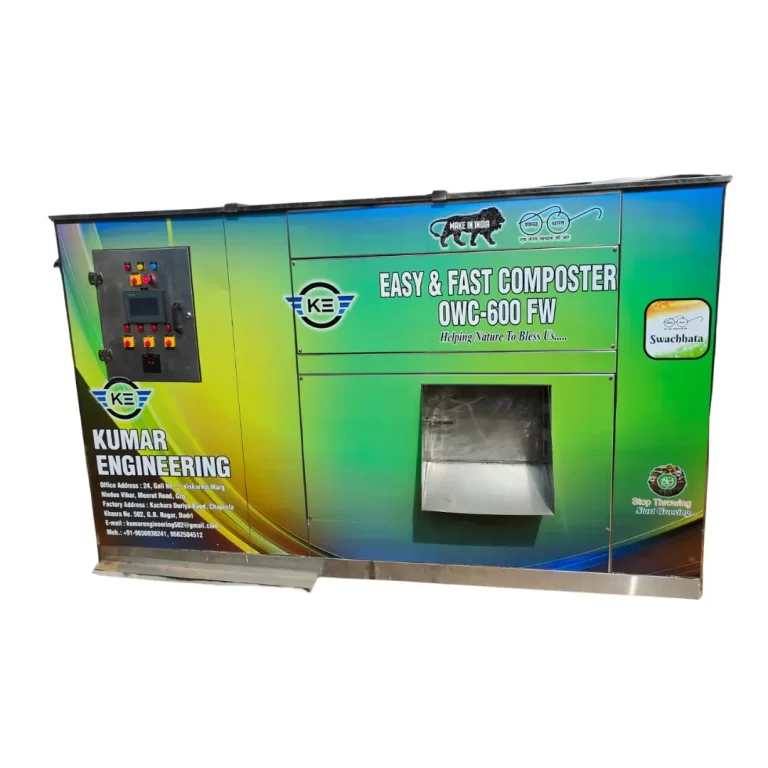
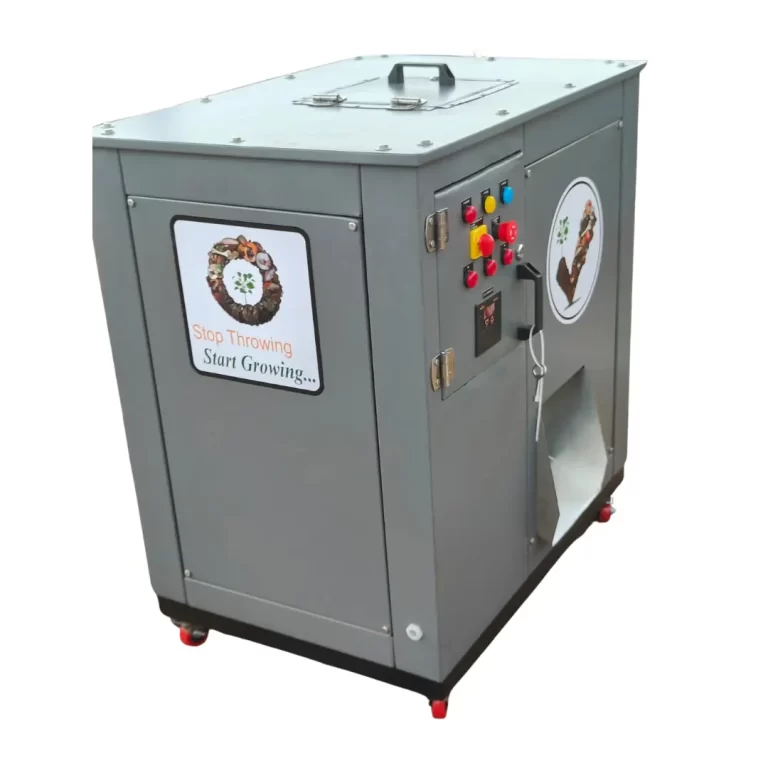
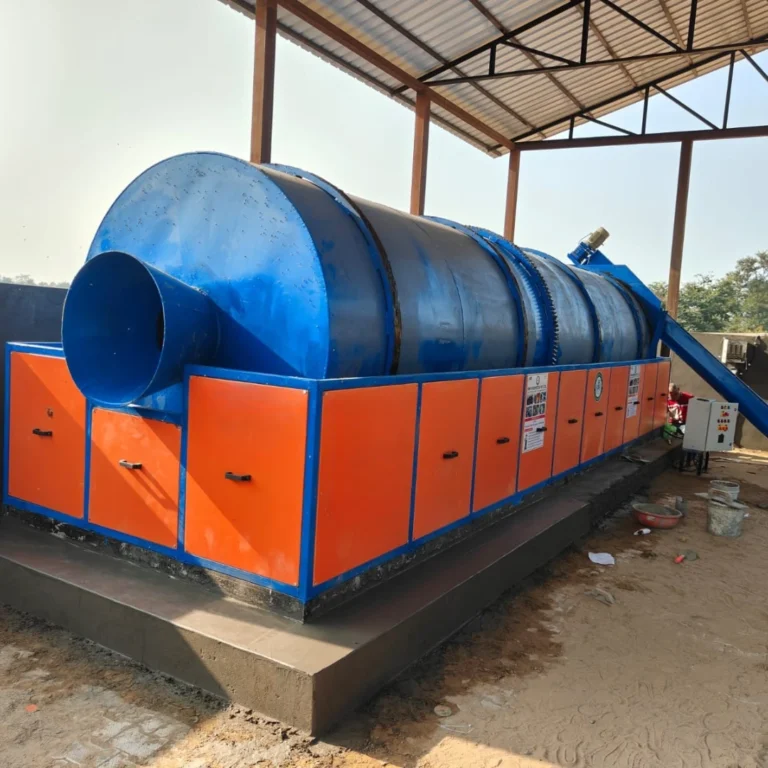
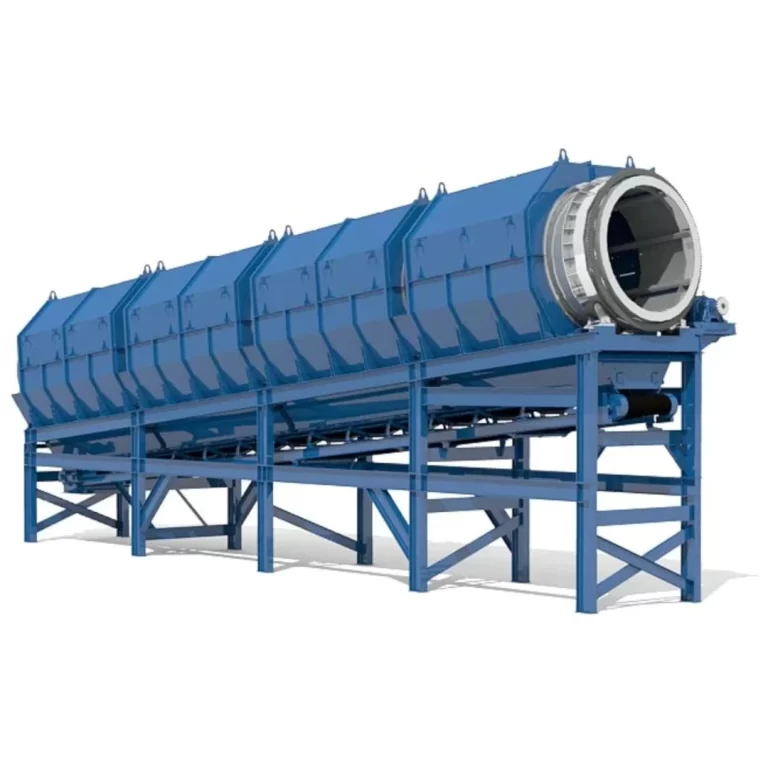
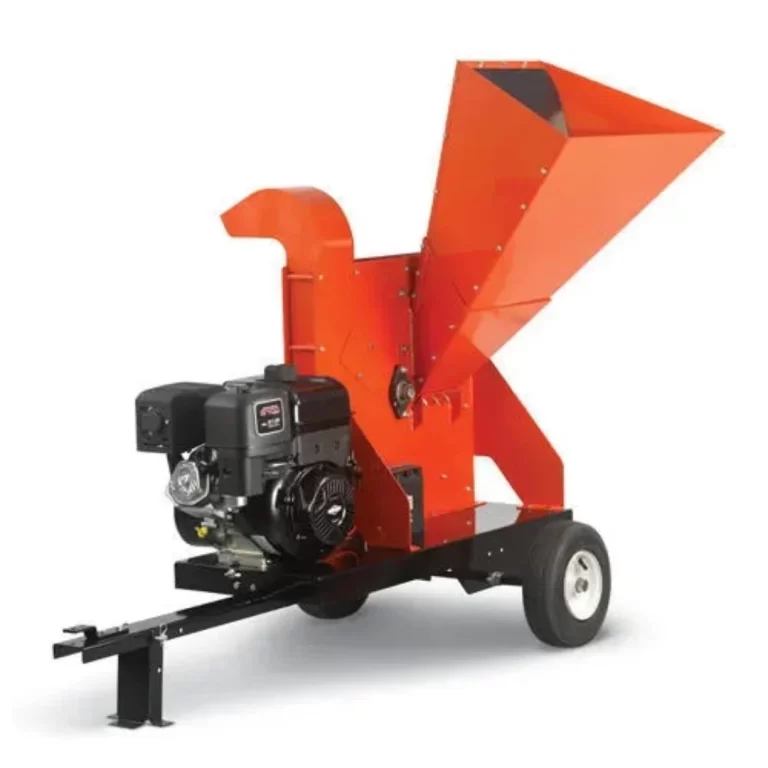
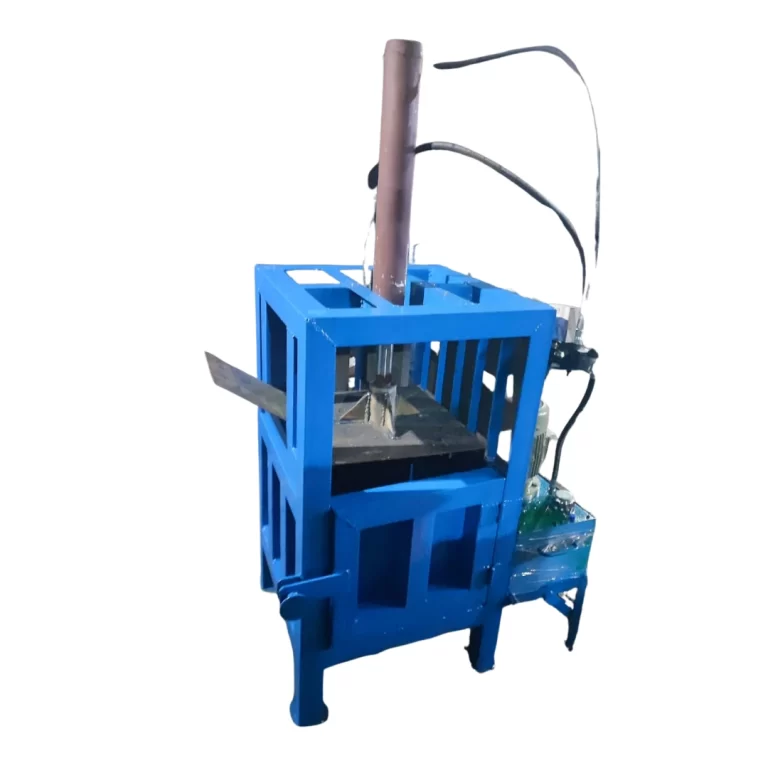
Kumar Engineering is known as a waste management machinery manufacturer providing equipment used in different waste processing applications. The company manufactures machines such as food waste composting machines, trommel machines, baling press machines, and waste shredder machines that are widely used in waste management and recycling systems.
These machines support waste processing operations in municipalities, industries, hotels, hospitals, housing societies, and recycling plants.
By manufacturing these machines, the company helps organizations manage waste more efficiently and contribute to sustainable waste management practices.
Environmental Benefits of Proper Waste Management
Proper waste management offers numerous environmental benefits. One of the most significant benefits is the reduction of pollution. When waste is properly treated and processed, it prevents harmful substances from contaminating soil, air, and water sources.
Recycling also plays a major role in conserving natural resources. Materials such as paper, plastic, glass, and metal can be reused, reducing the need for extracting new raw materials from the environment.
Another important environmental benefit is the reduction of greenhouse gas emissions. Organic waste that decomposes in landfills releases methane gas, which contributes to climate change. By processing organic waste through proper waste management systems, these emissions can be reduced.
Waste management also helps create cleaner cities and healthier living conditions by preventing the accumulation of garbage in public spaces.
Economic and Social Impact
Effective waste management also provides economic benefits. The recycling and waste processing industries create employment opportunities in waste collection, processing, equipment manufacturing, and recycling operations.
Waste management systems also help industries reduce operational costs by allowing them to recycle materials and reuse resources. Businesses that adopt efficient waste management practices can also improve their environmental reputation and sustainability performance.
Manufacturers like Kumar Engineering contribute to the growth of the waste management industry by supplying machines that support waste processing and recycling infrastructure.
The Future of Waste Management
The future of waste management is focused on sustainability, innovation, and resource recovery. Governments and industries are increasingly investing in advanced technologies to improve waste processing efficiency.
Smart waste management systems, automation, and improved recycling technologies are expected to play a major role in the future. The concept of a circular economy is also gaining popularity, where waste materials are reused and recycled instead of being discarded.
As waste generation continues to increase globally, the need for efficient waste management systems and reliable machinery will continue to grow.
Conclusion
Waste management is essential for protecting the environment, improving public health, and promoting sustainable development. Proper waste handling practices help reduce pollution, conserve natural resources, and create cleaner communities.
Advanced waste management systems supported by modern machinery make it possible to process waste efficiently and reduce the burden on landfills.
Kumar Engineering plays an important role in this sector as a waste management machinery manufacturer producing equipment such as food waste composting machines, trommel machines, baling press machines, and waste shredder machines used in waste processing operations.
By adopting efficient waste management solutions and advanced machinery, industries and municipalities can move toward a cleaner, healthier, and more sustainable future.