Electronic waste is becoming one of the fastest-growing waste streams in the world, and India is no exception. Millions of outdated smartphones, computers, laptops, televisions, batteries, and household appliances are discarded every year, creating a significant environmental challenge as well as a profitable business opportunity. This rapid increase in electronic waste has made the e waste recycling business one of the most promising industries for entrepreneurs, investors, and waste management companies.
As industries and governments focus on sustainable waste management, the demand for advanced e waste recycling machine solutions continues to rise. Whether you are planning a small recycling unit or a large-scale plant, understanding the e waste recycling plant setup cost in India, choosing the right recycling machinery, and adopting efficient processing methods are essential for long-term success. Companies like Kumar Engineering are helping businesses build modern recycling facilities with reliable machinery that improves productivity, recovery rates, and operational efficiency.
What is an E Waste Recycling Business?
An e waste recycling business involves collecting discarded electronic products, separating reusable components, recovering valuable materials, and processing them for reuse in manufacturing industries. Instead of allowing electronic waste to end up in landfills, recycling plants recover useful metals, plastics, glass, and electronic components through safe and environmentally friendly processes.
Today, the e-waste business plays a major role in supporting the circular economy by reducing pollution, conserving natural resources, and minimizing the need for fresh mining. With the growing demand for electronic devices, the recycling industry is expected to expand rapidly over the coming years.
Common recyclable electronic products include:
- Mobile Phones
- Computers
- Laptops
- Tablets
- Televisions
- Refrigerators
- Air Conditioners
- Washing Machines
- UPS Systems
- Batteries
- Printed Circuit Boards (PCB)
- Electrical Cables
- Chargers
- Home Appliances
- Office Electronics
Why is the E-Waste Business Growing in India?
India has become one of the world’s largest consumers of electronic products. Every year, millions of new devices enter the market while older products are replaced due to technological advancements. This continuous cycle creates enormous quantities of electronic waste that require proper recycling.
Several factors are contributing to the rapid growth of the e waste business in India:
Increasing Electronic Consumption
Smartphones, computers, smart TVs, and electronic appliances have become essential in homes, offices, schools, hospitals, and industries. Their shorter replacement cycles generate huge amounts of recyclable waste.
Government Regulations
The Government of India has introduced strict E-Waste Management Rules that encourage responsible disposal and recycling of electronic waste. These regulations create new opportunities for licensed recycling companies.
Environmental Awareness
Consumers and businesses are becoming more conscious about protecting the environment. Instead of dumping electronic waste, they prefer authorized recycling facilities.
Growing Demand for Recycled Materials
Recovered copper, aluminium, plastic, steel, and precious metals have strong demand across manufacturing industries, making recycling a profitable business.
Is an E-Waste Recycling Business Profitable in India?
Yes. The e waste recycling business is considered one of the fastest-growing green industries in India. Profitability depends on plant capacity, material recovery efficiency, operational costs, and the quality of installed recycling machinery.
Electronic waste contains several high-value materials, including:
- Copper
- Aluminium
- Gold
- Silver
- Palladium
- Brass
- Iron
- Plastic
- Glass
- Rare Earth Metals
These recovered materials are sold to manufacturers, metal processors, cable manufacturers, plastic industries, and electronics companies. Because electronic waste is continuously generated, businesses have a stable supply of raw material throughout the year.
Modern recycling plants equipped with automated e waste recycling machinery achieve higher recovery rates, lower labor costs, and better profitability than manual operations.
Major Benefits of Starting an E-Waste Recycling Business
Starting an e waste business offers several long-term benefits beyond financial returns.
High Demand Throughout the Year
Electronic waste generation is increasing every year, ensuring a continuous supply of recyclable materials.
Multiple Revenue Sources
Businesses can generate income through:
- Metal Recovery
- Plastic Recycling
- Component Refurbishment
- Corporate Recycling Contracts
- Government Waste Collection Projects
Environment-Friendly Business
Proper recycling reduces landfill waste, prevents soil contamination, and conserves valuable natural resources.
Long-Term Business Growth
As India continues its digital transformation, the volume of electronic waste will increase, creating even greater business opportunities.
E Waste Recycling Plant Setup Cost in India
One of the most common questions asked by new entrepreneurs is about the e waste recycling plant setup cost in India. The investment required depends on several factors, including plant capacity, machinery, land availability, automation level, and government compliance.
A small recycling unit generally requires a lower investment, while medium and fully automated recycling plants involve higher capital expenditure but also deliver significantly better production capacity and material recovery.
The overall project cost depends on:
| Factor | Importance |
|---|---|
| Plant Capacity | Determines production volume |
| Land Area | Space required for operations |
| Building Construction | Factory infrastructure |
| Recycling Machinery | Largest investment component |
| Automation Level | Manual, Semi-Automatic or Automatic |
| Power Supply | Electrical installation |
| Pollution Control Equipment | Environmental compliance |
| Material Handling Systems | Conveyors and separators |
| Labor Requirement | Skilled workforce |
| Licensing & Certification | Legal approvals |
Investing in high-quality e waste recycling machinery reduces maintenance costs, increases productivity, and improves recovery efficiency over the long term.
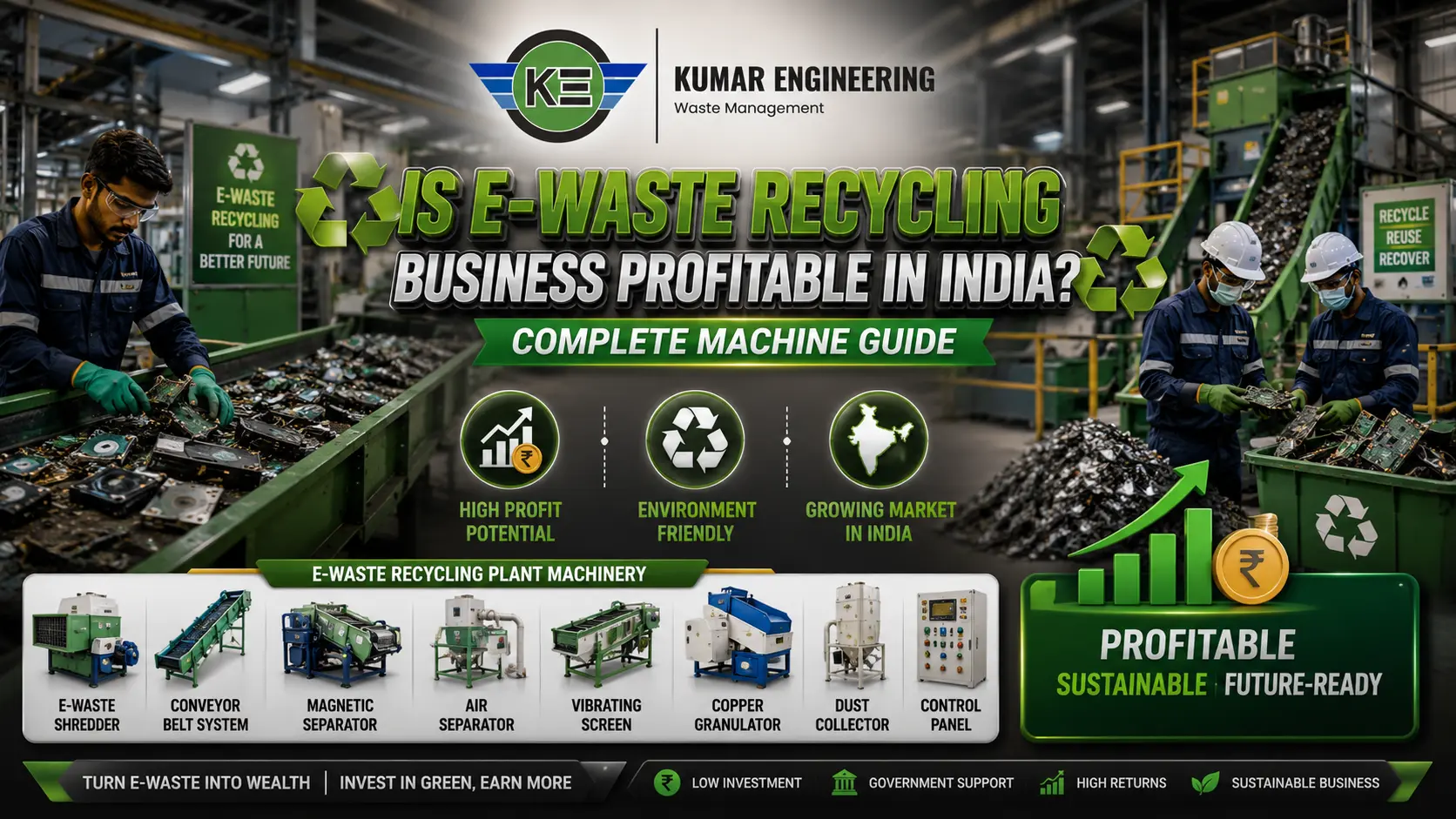
Essential E Waste Recycling Machinery
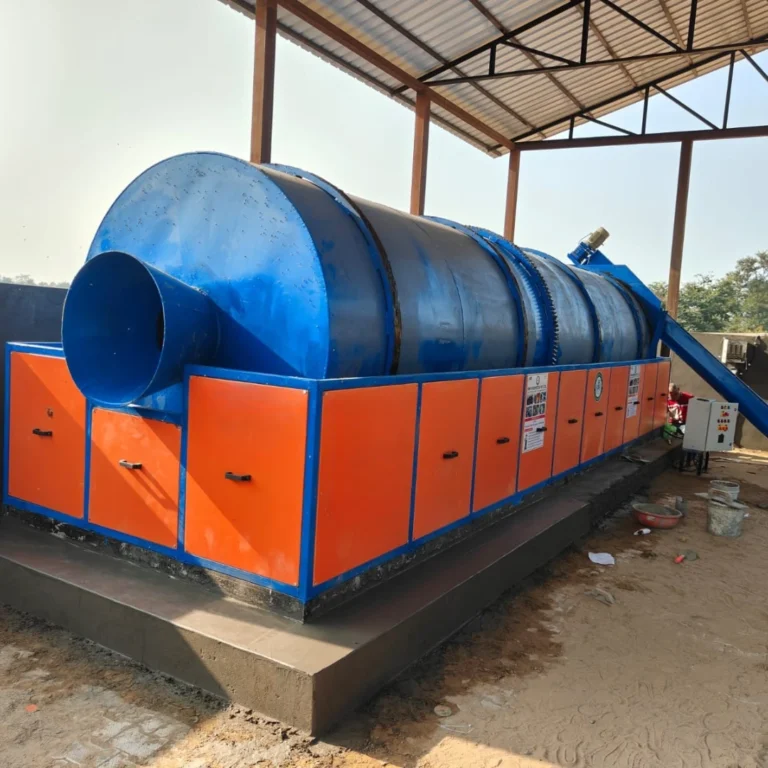
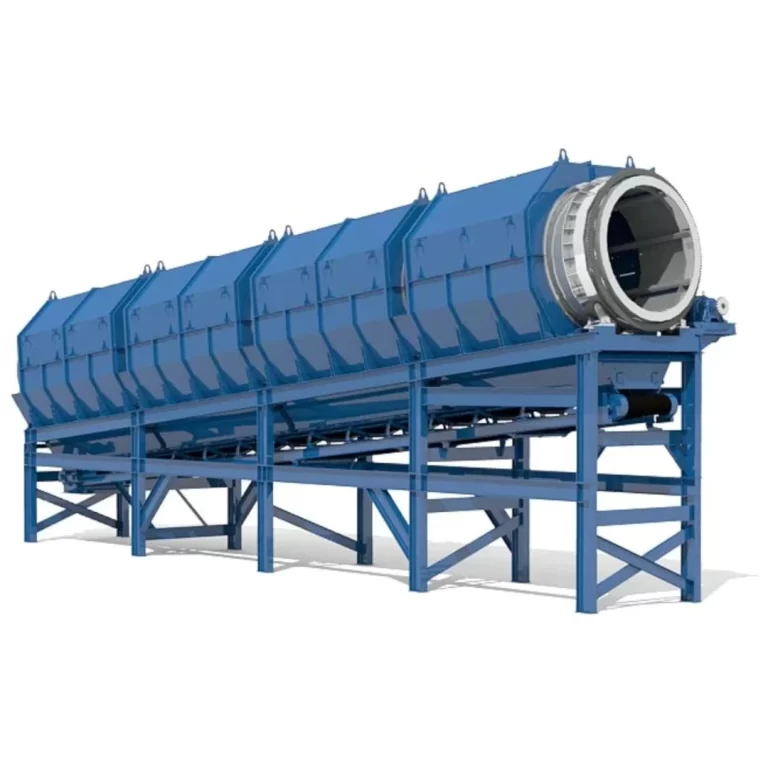
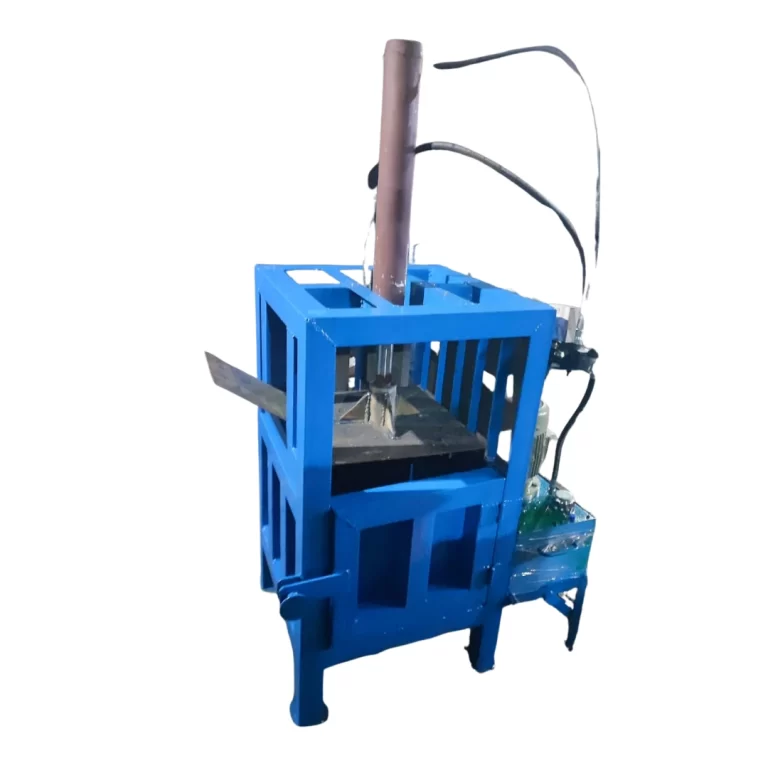
The success of any recycling facility depends largely on the quality of its machinery. Modern waste recycling machine systems automate the entire recycling process while improving material recovery and reducing operational costs.
Collection Conveyor
Used to feed electronic waste into the production line safely and continuously.
Manual Sorting Table
Workers inspect incoming electronic waste and separate reusable components before processing.
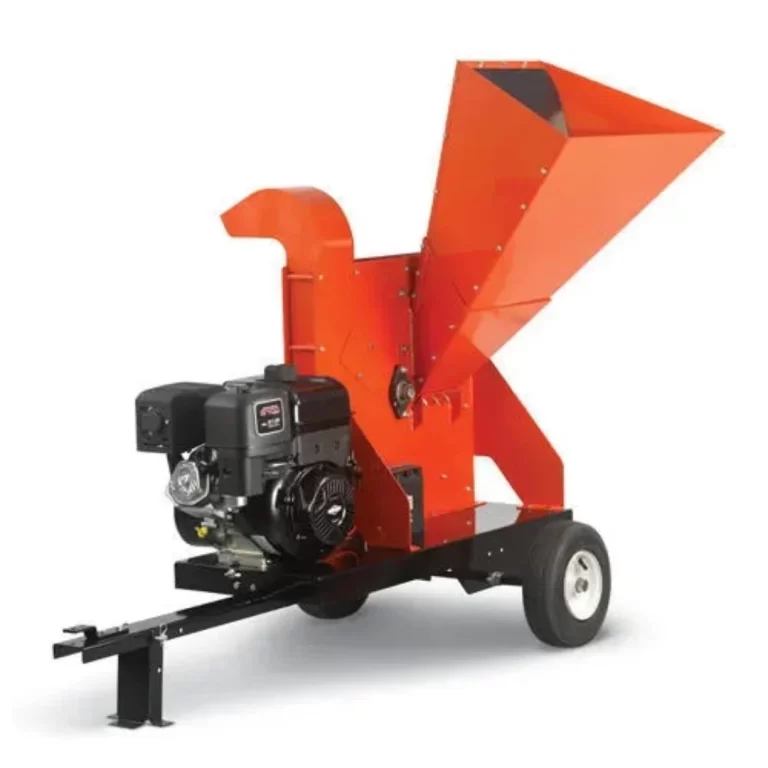
Industrial Shredder
Large electronic products are shredded into smaller pieces for easier material separation.
Magnetic Separator
Removes ferrous metals from mixed electronic waste.
Eddy Current Separator
Separates valuable non-ferrous metals such as aluminium and copper.
Air Density Separator
Separates lightweight plastic from heavier metallic materials.
Dust Collection System
Maintains a clean and safe working environment by controlling airborne dust particles.
Cable Recycling Machine
Separates copper from insulated electrical cables with high efficiency.
PCB Recycling Machine
Processes printed circuit boards to recover precious metals and reusable materials.
Modern e waste recycling machine solutions integrate all these systems into a fully automated recycling line, delivering higher productivity and lower operational costs.
Working Process of an E-Waste Recycling Plant
An efficient recycling facility follows a structured workflow that maximizes material recovery while ensuring environmental safety.
Collection
Electronic waste is collected from households, industries, offices, institutions, and authorized collection centers.
Inspection and Sorting
Each item is inspected and categorized based on its material composition and recycling requirements.
Manual Dismantling
Reusable parts such as motors, batteries, cables, and circuit boards are removed before mechanical processing.
Shredding
The remaining electronic waste is fed into heavy-duty shredders where it is reduced into smaller particles.
Material Separation
Advanced separators recover ferrous metals, non-ferrous metals, plastics, glass, and other valuable materials.
Refining
Recovered materials are cleaned, processed, and prepared for resale or manufacturing.
Packaging and Dispatch
The final recycled materials are packed and supplied to manufacturers for reuse in producing new products.
Different E Waste Models
Different e waste models are available depending on plant size and production requirements.
Common recycling plant models include:
- Small Capacity Recycling Plants
- Medium Capacity Recycling Plants
- Fully Automatic Recycling Lines
- Semi-Automatic Recycling Systems
- PCB Recycling Plants
- Cable Recycling Plants
- Mixed Electronic Waste Recycling Plants
- Industrial E-Waste Processing Lines
Selecting the right model depends on your investment budget, available space, expected production capacity, and future expansion plans.
Why Choosing the Right Recycling Machinery Matters
Investing in reliable recycling machinery directly impacts productivity, recovery efficiency, operating costs, and business profitability.
High-quality machinery offers several advantages:
- Faster processing speed
- Higher material recovery
- Reduced manpower requirement
- Lower maintenance cost
- Improved workplace safety
- Better energy efficiency
- Consistent production quality
- Higher return on investment
Businesses using advanced e waste recycling machinery generally achieve greater operational efficiency and stronger long-term profitability.
Why Choose Kumar Engineering?
Selection of a proper machinery manufacturer is a key decision while setting up a venture in the e-waste recycling business. Kumar Engineering provides the latest recycling machinery which is specially engineered to increase productivity, recovery rates, and performance of modern-day recycling plants.
Kumar Engineering’s recycling machines are manufactured through state-of-the-art technology with high-quality parts to ensure reliability of their performance even in harsh industrial environments. Be it the expansion or establishment of a new recycling plant, we provide dependable e waste recycling machine solutions that ensure your business success and profitability.
Conclusion
The future of the e waste recycling industry in India looks very bright as there is an ongoing increase in electronic waste in domestic, commercial, and industrial sectors. The growing awareness of people about the environment along with government policies and demand for raw materials, will make this industry one of the most lucrative ventures of the waste management sector.
Though the cost of setting up an e waste recycling plant in India depends on the size of the plant and level of automation, it is important to invest in quality recycling machines to ensure greater efficiency and profits. Through proper planning, use of modern machine technologies for recycling waste, and a reliable company such as Kumar Engineering, any entrepreneur can establish a successful business.