Composting is an essential solution to manage kitchen or food waste, and there are many ways to convert everyday waste into useful compost. It is one of the simplest and most effective methods to reduce household waste while producing nutrient-rich fertilizer for plants. With growing awareness about sustainability and proper waste management, more individuals and businesses are adopting composting as an eco-friendly practice. By converting daily kitchen scraps into valuable compost, you not only minimize landfill waste but also promote a cleaner environment and support sustainable living.
6 Steps to Make Compost from Kitchen Waste
Composting kitchen waste is a simple and eco-friendly way to manage daily organic waste while creating nutrient-rich fertilizer for plants. Kitchen trash and food scraps like vegetable peels, fruit waste, and tea leaves covert into compost by composting process, you can significantly reduce household waste and support a cleaner environment.
1. Collect Kitchen Waste
The first step in composting is to collect biodegradable waste from your kitchen. This includes vegetable peels, fruit scraps, coffee grounds, tea leaves, eggshells, and leftover raw food. It is important to avoid adding meat, dairy products, oily food, and processed items, as they can create foul odors and attract pests. Keeping a separate container in your kitchen for organic waste makes the collection process easier and more organized.
2. Segregate Waste Properly
Proper segregation is the foundation of effective composting. Always separate wet waste (organic kitchen waste) from dry waste such as plastic, glass, or metal. Mixing non-biodegradable materials with organic waste can disrupt the composting process and reduce the quality of the final compost. Maintaining this habit not only supports composting but also promotes better waste management practices in daily life.
3. Choose the Right Composting Bin
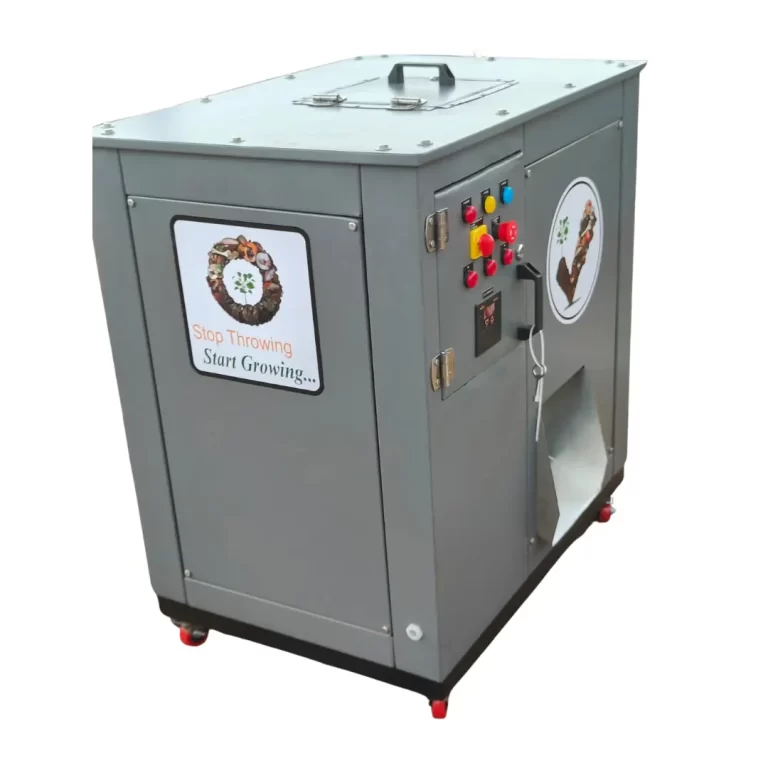
Selecting a suitable composting bin is crucial for successful composting. You can use a simple plastic container, earthen pot, or a specially designed composting bin with proper ventilation. The bin should have small holes for airflow and drainage to prevent excess moisture buildup. For households with limited space, compact composting units are available that can easily fit in balconies or kitchens.
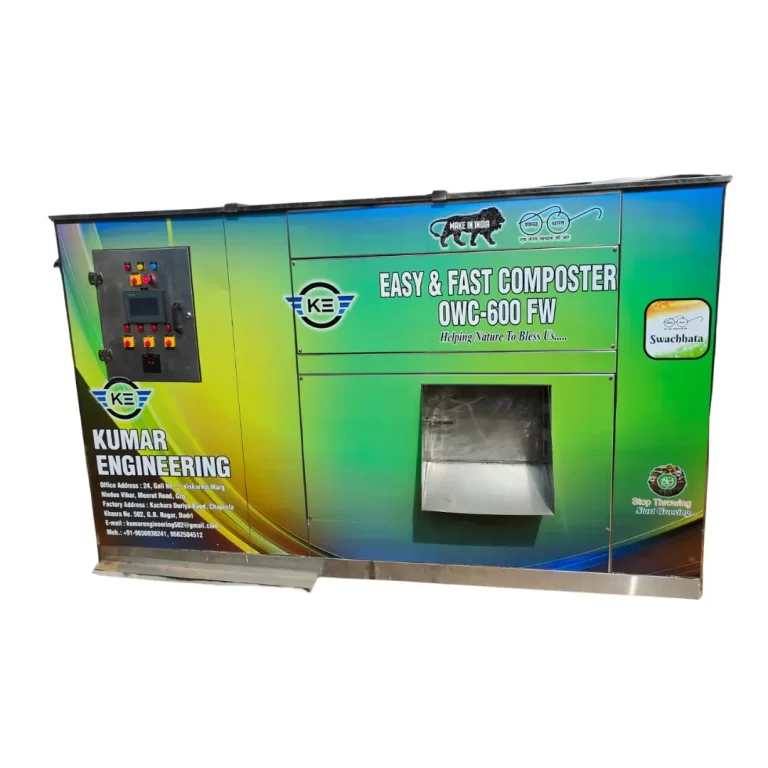
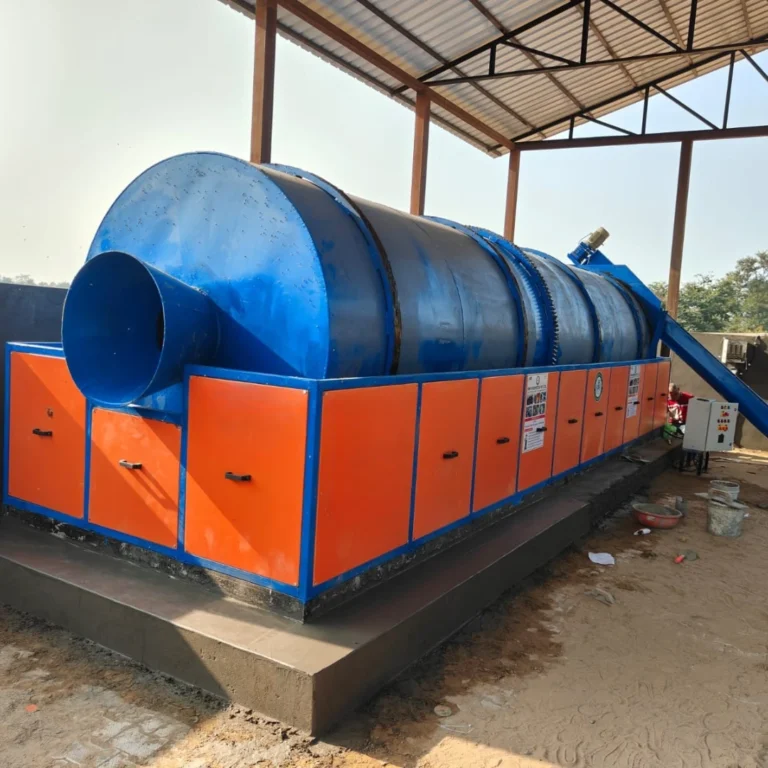
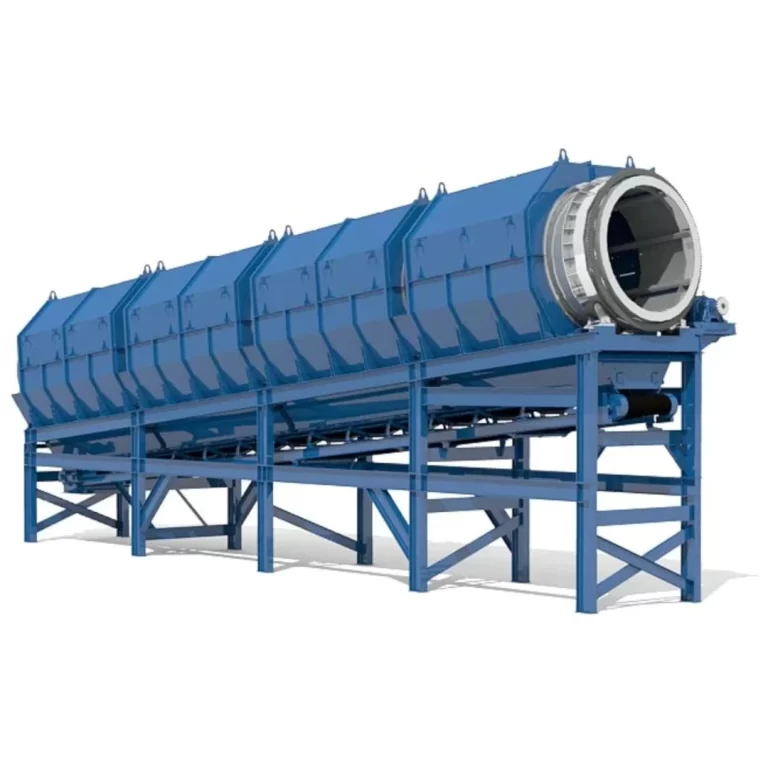
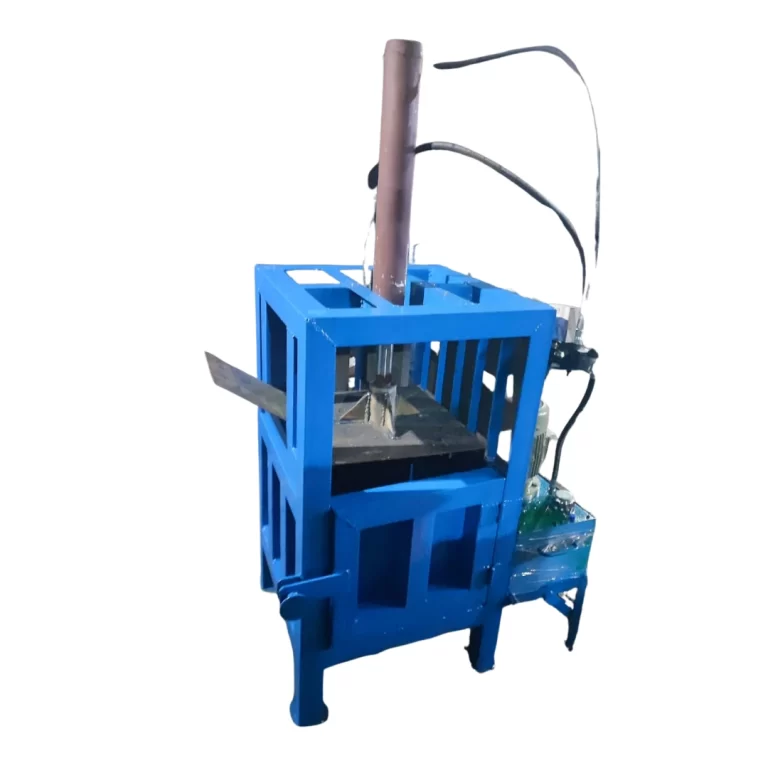
For larger-scale or faster composting, advanced composting machines offered by Kumar Engineering can be an excellent choice. These machines are designed to accelerate the decomposition process and handle higher volumes of waste efficiently.
4. Add Dry Materials (Brown Waste)
To maintain a healthy composting process, it is important to balance “green waste” (kitchen scraps) with “brown waste” such as dry leaves, sawdust, shredded paper, or cardboard. Brown materials are rich in carbon, while green waste provides nitrogen. This balance is essential for microbial activity, which drives the decomposition process. Adding a layer of dry material over kitchen waste also helps control odor and prevents flies or pests.
5. Maintain Moisture and Aeration
Moisture and oxygen play a key role in composting. The compost mixture should be moist, similar to a damp sponge, but not overly wet. Too much moisture can cause bad smells and slow down the process, while too little moisture can stop decomposition. Regularly turning or mixing the compost ensures proper aeration, allowing oxygen to reach the microorganisms that break down the waste. This step also speeds up the composting process and ensures uniform decomposition.
6. Allow Time for Decomposition
Composting is a natural process that takes time. Depending on environmental conditions and maintenance, it can take anywhere from a few weeks to a few months for the waste to fully decompose. Over time, the mixture will turn into dark, crumbly, and earthy-smelling compost. Once ready, this compost can be used in gardens, potted plants, or farms as a natural fertilizer that enriches soil and promotes healthy plant growth.
Benefits of Composting Kitchen Waste
Composting offers several environmental and practical benefits. It significantly reduces the amount of waste sent to landfills, which in turn lowers greenhouse gas emissions. It also helps recycle nutrients back into the soil, improving soil structure and fertility. For gardeners and farmers, compost acts as a natural alternative to chemical fertilizers, enhancing plant health without harming the environment.
Composting is very useful to reduce waste management costs for households, societies, and businesses. It encourages responsible waste handling and promotes a sustainable lifestyle.
Importance of Modern Composting Solutions
While traditional composting methods are effective, they may require time, effort, and space. As urbanization and limited space availability, modern composting solutions have become increasingly important. Manufacturers like Kumar Engineering provide advanced Food Waste composting machines that simplify the process and deliver faster results.
These machines are designed to handle large volumes of organic waste or food waste with minimal manual effort. They maintain optimal temperature, moisture, and aeration automatically, ensuring efficient decomposition. Such solutions are ideal for apartments, hotels, restaurants, and commercial establishments looking to manage waste sustainably.
Tips for Successful Composting
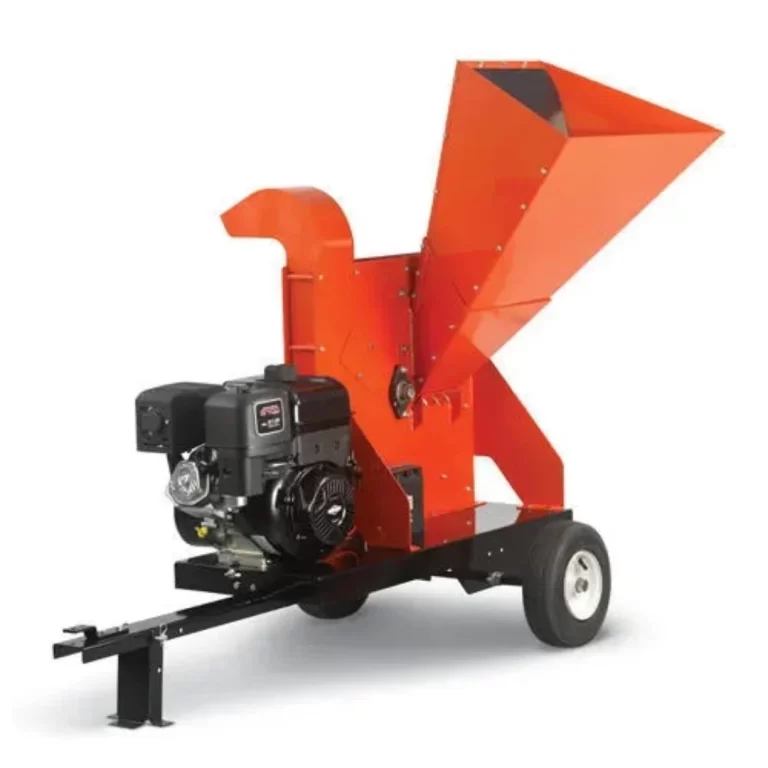
- Always chop large waste pieces into smaller parts for faster decomposition
- Maintain a proper balance between green and brown waste
- Avoid adding non-biodegradable or harmful materials
- Keep the compost bin in a shaded, well-ventilated area
- Turn the compost regularly for better aeration
- Monitor moisture levels to prevent dryness or excess wetness
Conclusion
Composting kitchen waste is a simple yet impactful step toward sustainable living. By following these six easy steps, anyone can turn daily organic waste into valuable compost that benefits both plants and the environment. Whether done at a household level or on a larger scale, composting helps reduce waste, conserve resources, and promote eco-friendly practices.
With the support of advanced solutions from Kumar Engineering, the composting process becomes even more efficient and convenient. Adopting composting today is a small effort that leads to a greener and healthier future.