Every single day we dispose of goods without thinking of the price it comes to us. Not only monetary expenses, but the costs of resources and time as well as the price the Earth pays to get rid of them should be taken into consideration. A plastic bottle used for a couple of minutes will stay in nature for centuries. Food waste leads to wasting resources put into the production of such goods. Packaging waste goes to landfills, and reusable stuff is usually unused by people. The positive thing about it is that you don’t have to undergo major changes in your life to do something to make the situation better. Even small everyday actions can result in great results.
Going zero waste lifestyle does not mean doing everything perfectly. You will simply learn to make the right decisions and Reduce Waste. It is also helpful for saving money and taking care of natural resources. If you are looking for how to reduce waste daily, how to reduce waste at home tips or how to reduce waste at home, this manual is for you. Every single step makes your way to a better world.
As Kumar Engineering, we see that sustainability is all about awareness and doing things. Rather than pushing our products, we aim to supply relevant and credible information for those seeking to make wise decisions. This is because true change is brought about by knowledge and practical solutions.
Key Takeaways
- Small daily habits can significantly reduce household waste.
- A zero waste lifestyle helps protect the environment while reducing everyday expenses.
- Learning how to reduce waste daily doesn’t require expensive products or drastic changes.
- Practical how to reduce waste at home tips are easy to follow for every family.
- Every reusable item replaces hundreds of disposable products over time.
- Reducing waste also means conserving energy, water, and natural resources.
What Does It Really Mean to Reduce Waste?
Waste reduction is achieved by stopping unnecessary things from being discarded and thrown away. As opposed to just recycling, waste prevention should always come into play in trying to be environmentally friendly. This can be achieved through such practices as using reusable products, fixing broken things, careful buying, and using less packaging.
Being zero waste lifestyle isn’t about having to make everything perfect instantly; it’s about being mindful of what you consume. It’s okay to not cut down on every single thing in one night. Starting with learning how to reduce waste at home is all about making simple changes that later become a habit. Once these changes become a habit, Reduce Waste becomes simpler.
Why Reducing Waste Matters More Than Ever
Year after year, the global production of waste keeps growing as the number of people on Earth increases and their levels of consumption keep increasing too. Landfills become fuller, the oceans become polluted by plastics, and natural resources get wasted for no reason at all. Every home adds to the problem, but every home can help solve it too.
It is vital to know how to reduce waste daily because it is those small everyday practices that make a big difference in the long run. Using reusable items, wasting less food, and not buying unnecessary things might be small actions, but they have a great effect on the environment.
Practical Specification Table for Building a Zero Waste Lifestyle
| Practice | Purpose | Environmental Benefit | Money Saving Potential |
|---|---|---|---|
| Reusable Water Bottle | Reduce plastic bottles | Less plastic pollution | High |
| Cloth Shopping Bags | Replace plastic bags | Lower landfill waste | High |
| Meal Planning | Reduce food waste | Conserves resources | High |
| Reusable Food Containers | Reduce disposable packaging | Less household waste | Medium |
| Composting | Convert food scraps into compost | Improves soil health | Medium |
| Repair Instead of Replace | Extend product life | Reduces manufacturing waste | High |
| Buying in Bulk | Minimize packaging | Less plastic and paper waste | Medium |
| Recycling Properly | Recover valuable materials | Conserves natural resources | Medium |
1. Carry a Reusable Water Bottle Everywhere
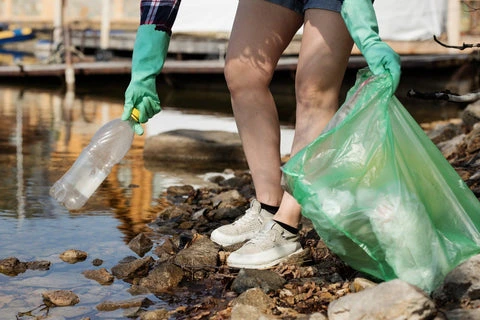
Single-use plastic bottles are among the most common forms of household waste. Carrying a reusable bottle is one of the easiest ways to begin a zero waste lifestyle without changing your daily routine. Whether you’re going to work, school, the gym, or traveling, keeping your own bottle with you reduces plastic consumption and saves money over time. This simple habit is one of the most practical examples of how to reduce waste daily and encourages long-term environmental responsibility.

2. Switch to Reusable Shopping Bags
Plastic shopping bags are often used for only a few minutes but remain in the environment for decades. Keeping cloth or reusable shopping bags in your car, office, or backpack ensures you never need disposable bags again. This is one of the easiest how to reduce waste at home tips because it starts before unnecessary waste even enters your house. Every reusable bag contributes to a cleaner environment while helping families Reduce Waste consistently.
3. Plan Your Meals Before Grocery Shopping
Food waste is one of the biggest contributors to household waste worldwide. Planning meals before shopping helps you buy only what you actually need, reducing spoiled food and unnecessary spending. It also prevents impulse purchases that often end up in the trash. Anyone learning how to reduce waste at home should make meal planning a weekly habit because it saves both money and valuable natural resources while supporting a healthier zero waste lifestyle.


4. Buy Products with Less Packaging
Many everyday products come wrapped in multiple layers of unnecessary plastic and cardboard. Choosing brands with minimal or recyclable packaging reduces waste before it reaches your home. Buying in bulk whenever possible also cuts down on packaging materials. This practical habit makes how to reduce waste daily much easier while encouraging manufacturers to adopt more sustainable packaging practices in the future.
5. Replace Disposable Products with Reusable Alternatives
Disposable plates, cups, tissues, straws, and cutlery generate a surprising amount of waste every year. Switching to reusable alternatives may require a small initial investment, but the long-term savings are significant. This is one of the smartest how to reduce waste at home tips because reusable products last for years while preventing thousands of disposable items from entering landfills. Small replacements today create a lasting environmental benefit tomorrow.

6. Store Food Properly to Prevent Waste
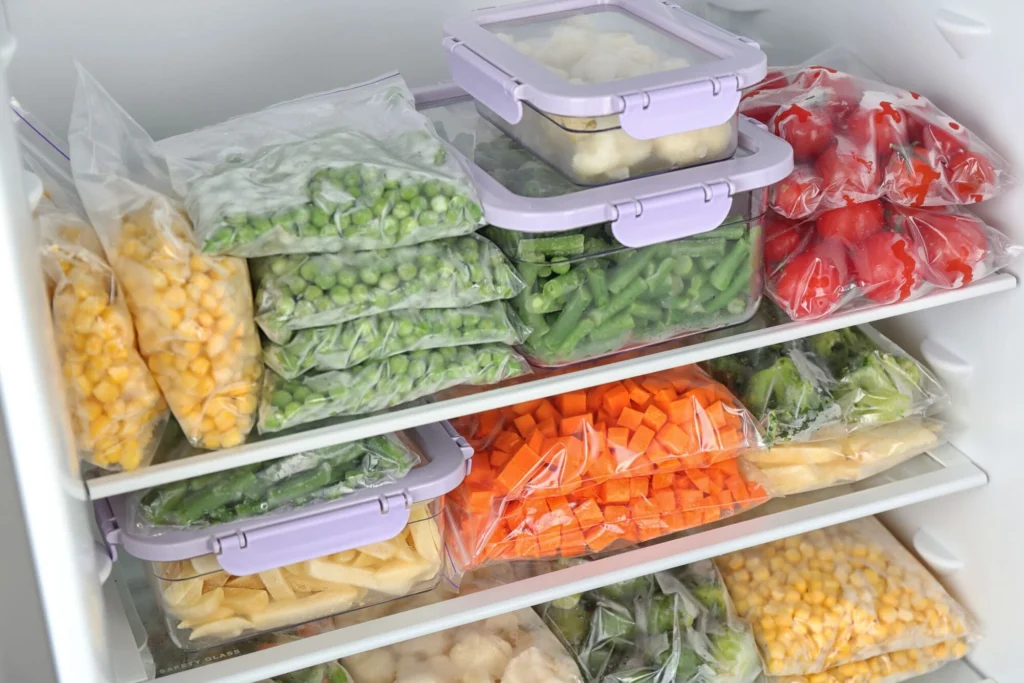
A large percentage of household food waste happens simply because food is stored incorrectly. Using airtight containers, labeling leftovers, and organizing your refrigerator properly helps food stay fresh for longer. This simple habit supports a practical zero waste lifestyle by reducing unnecessary food disposal and lowering grocery expenses. Learning how to reduce waste at home often starts with making better use of the food you already have instead of buying more than you need.
7. Repair Before You Replace
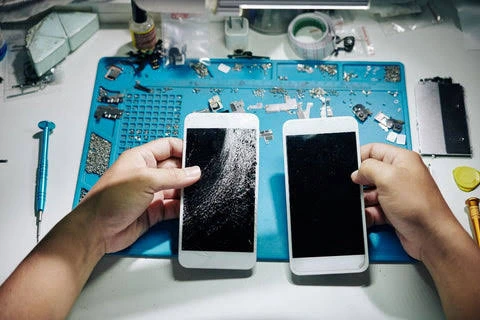
Modern consumer habits encourage replacing broken items immediately, even when simple repairs are possible. Repairing furniture, electronics, clothing, or household items extends their lifespan and reduces manufacturing waste. It also saves money while conserving valuable natural resources used to produce new products. Making repairs a regular habit is one of the most effective ways to Reduce Waste and build a sustainable lifestyle that benefits both your family and the environment.
8. Start Composting Your Kitchen Waste
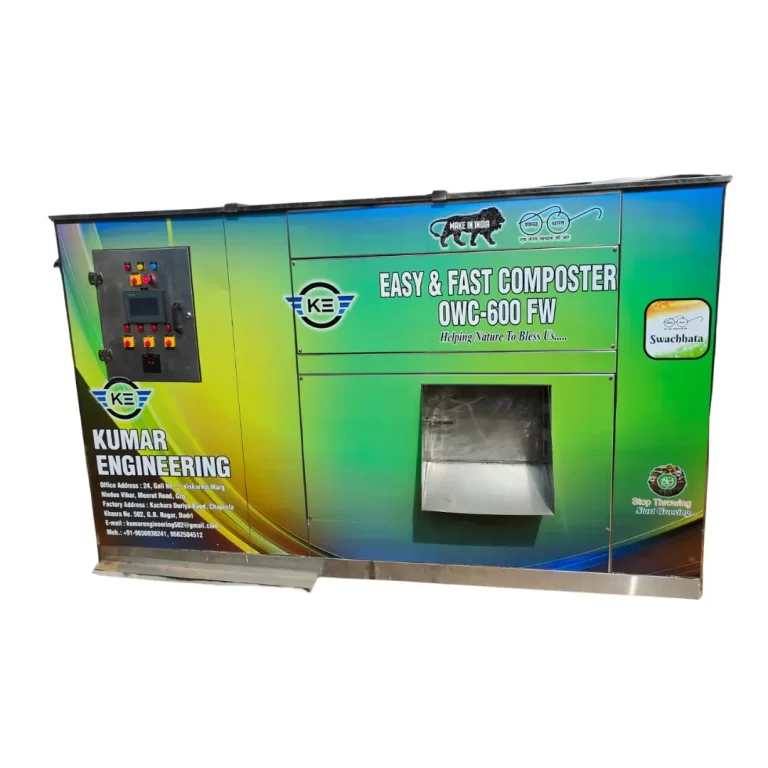
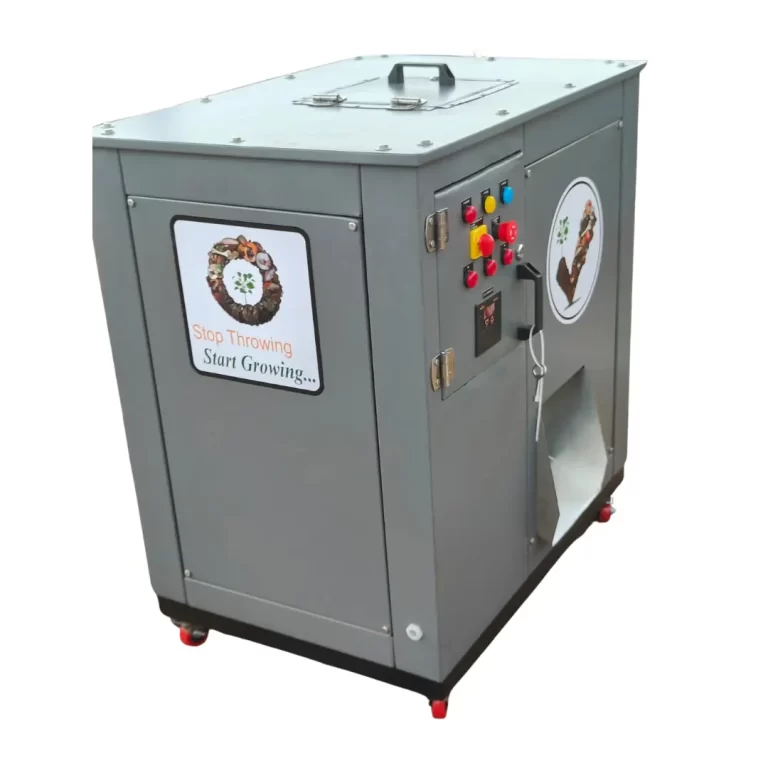
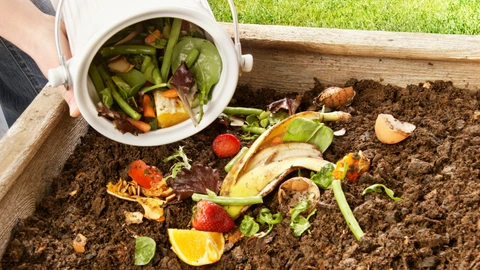
Every day, fruit peels, vegetable scraps, tea leaves, and coffee grounds are thrown away without realizing they can become a valuable resource. Composting converts this organic waste into nutrient-rich compost that naturally improves soil quality. Whether you have a garden or a few pots on your balcony, compost can benefit your plants while reducing landfill waste. If you’re learning how to reduce waste daily, composting is one of the most effective habits because it turns waste into something useful. It is a simple step toward a healthier zero waste lifestyle that benefits both your home and the environment.
9. Choose Refillable Household Products
Many household products, such as hand wash, shampoo, dishwashing liquid, and laundry detergent, are available in refill packs or at refill stations. Instead of purchasing a new plastic bottle every time, refill your existing container whenever possible. This small change significantly reduces plastic waste over the years. These practical how to reduce waste at home tips not only help protect the environment but also reduce household expenses. Refillable products prove that sustainable living can be both affordable and convenient.

10. Donate Instead of Throwing Things Away
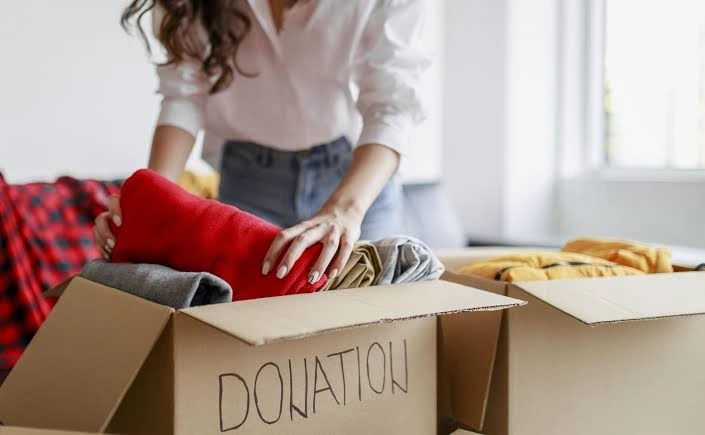
Many clothes, books, furniture, toys, and electronics remain perfectly usable even when we no longer need them. Instead of sending them to a landfill, donate them to charities, schools, or families who can benefit from them. Every donated item extends its useful life and reduces the demand for manufacturing new products. This is one of the smartest ways how to reduce waste at home while making a positive difference in someone else’s life. A zero waste lifestyle is built on sharing resources rather than wasting them.
11. Say Goodbye to Single-Use Plastics
Disposable spoons, forks, cups, plates, straws, and takeaway containers are designed for convenience but create long-lasting environmental problems. Carrying reusable alternatives may seem like a small effort, yet it can prevent hundreds of disposable products from entering landfills every year. Learning how to reduce waste daily often starts with saying “no” to unnecessary plastic items. Every reusable product you choose today helps create a cleaner tomorrow while encouraging others to adopt sustainable habits as well.

12. Buy Only What You Truly Need
Impulse shopping often results in products that remain unused before eventually being thrown away. Before making a purchase, ask yourself whether the item is necessary, durable, and likely to be used regularly. Buying fewer but higher-quality products reduces clutter, saves money, and minimizes waste generation. These simple how to reduce waste at home tips encourage mindful consumption instead of unnecessary spending. Responsible buying is one of the strongest foundations of a successful zero waste lifestyle.
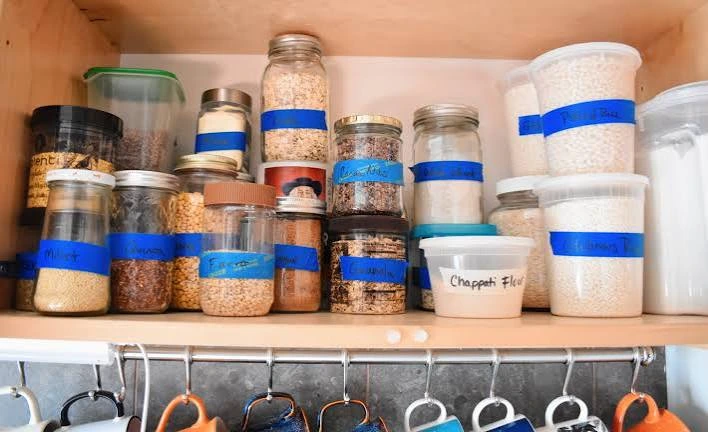
13. Reuse Glass Jars and Storage Containers
Empty glass jars from coffee, sauces, honey, or pickles can serve many useful purposes instead of being discarded. They are perfect for storing grains, spices, snacks, homemade sauces, office supplies, or even small plants. Reusing containers reduces the need to purchase additional storage products while cutting down packaging waste. This practical habit demonstrates how to reduce waste at home with almost no extra effort. Small reusable solutions often have a surprisingly large environmental impact over time.
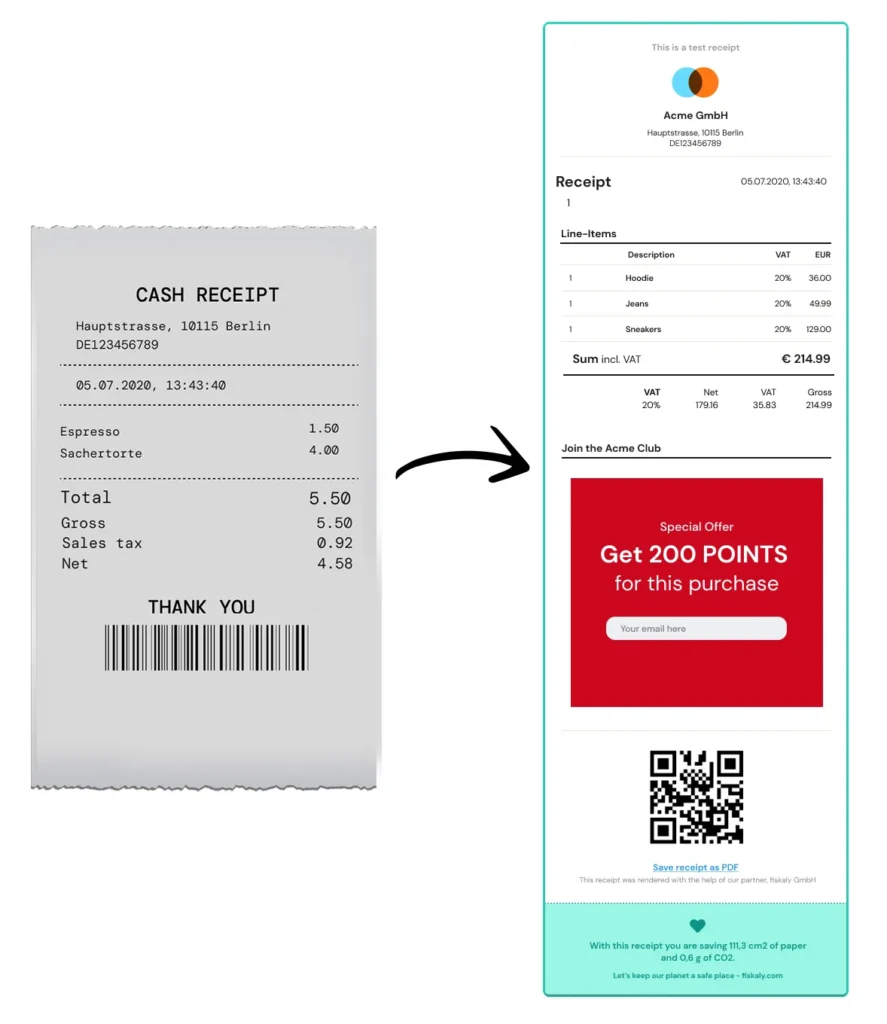
14. Choose Digital Bills and Receipts Whenever Possible
Paper bills and printed receipts may seem harmless, but they quickly add up over time and often end up in the trash. Most banks, utility providers, and retailers now offer digital alternatives that are easy to access and store. Switching to electronic documents reduces paper consumption while keeping your records organized. If you’re looking for how to reduce waste daily, this is a simple habit that requires almost no effort. It’s a smart step toward a more efficient and zero waste lifestyle.
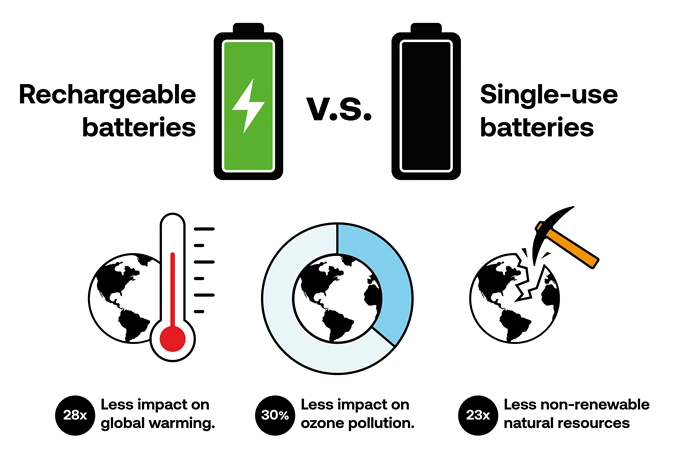
15. Use Rechargeable Batteries Instead of Disposable Ones
Disposable batteries contain materials that can harm the environment if not disposed of properly. Rechargeable batteries last much longer and can be reused hundreds of times before replacement. Although the initial cost is slightly higher, they save money in the long run and significantly reduce electronic waste. This is one of the most practical how to reduce waste at home tips for households that frequently use electronic devices. Small investments today can create lasting environmental benefits.

16. Buy Second-Hand Before Buying New
Many high-quality products such as furniture, books, bicycles, tools, and home décor are available in excellent condition through second-hand stores or online marketplaces. Purchasing pre-owned items reduces manufacturing demand and keeps useful products in circulation. It also helps you save money without compromising on quality. If you’re learning how to reduce waste at home, buying second-hand is one of the smartest habits you can adopt. Reusing existing resources is a key part of a successful zero waste lifestyle.
17. Reduce Paper Usage in Everyday Life
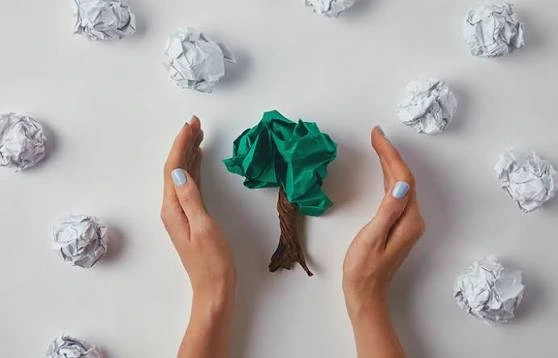
Paper is recyclable, but reducing unnecessary paper use is even better for the environment. Read digital newspapers, use electronic notebooks, print only when absolutely necessary, and write on both sides of the paper. These small habits conserve trees, water, and energy used during paper production. Understanding how to reduce waste daily includes recognizing that every sheet of paper saved contributes to a healthier environment. Less paper waste also means less household clutter.
18. Grow Your Own Herbs and Small Vegetables
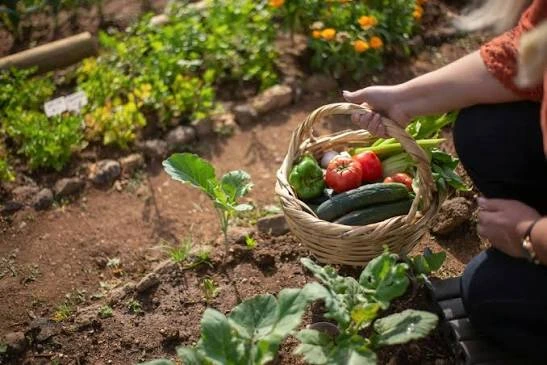
Even if you don’t have a large garden, growing herbs like mint, coriander, basil, or small vegetables in pots can reduce packaging waste and food transportation emissions. Home gardening also encourages healthier eating while reducing grocery expenses. Fresh ingredients are always available, and food waste can even be composted to nourish your plants. This is one of the most rewarding how to reduce waste at home tips because it benefits both your health and the planet.
19. Carry Your Own Coffee Cup or Travel Mug
Millions of disposable coffee cups are thrown away every day, and many cannot be recycled due to their plastic lining. Carrying a reusable travel mug whenever you visit a café or travel to work can prevent hundreds of disposable cups from becoming waste each year. Many cafés even offer discounts for customers who bring their own cups. This simple habit supports a practical zero waste lifestyle while reducing unnecessary daily waste.

20. Recycle the Right Way
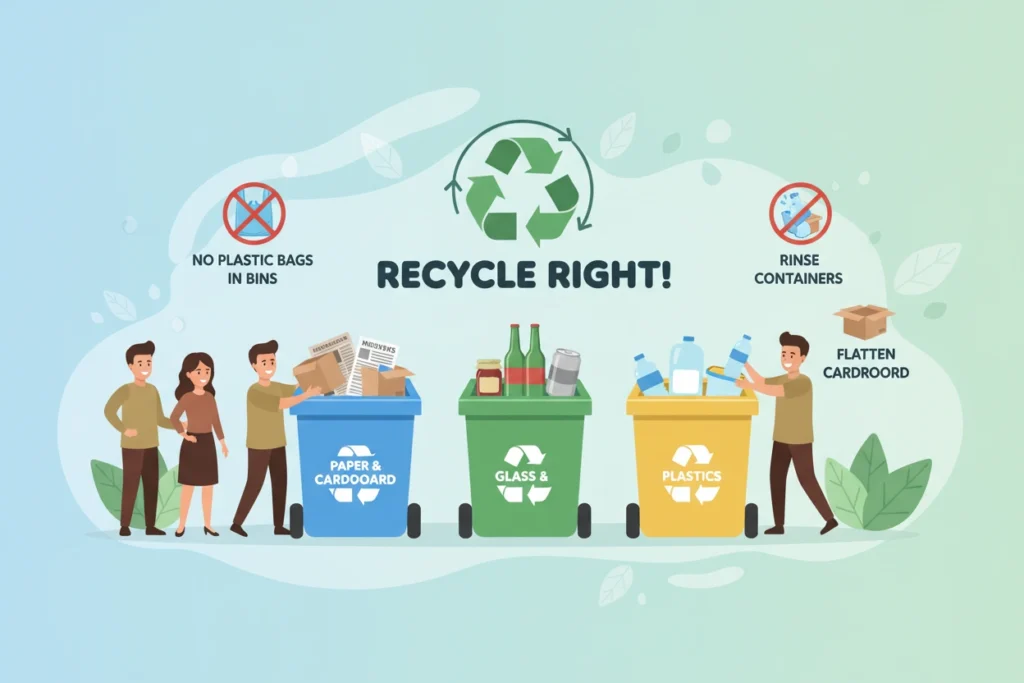
Recycling only works when waste is sorted correctly. Mixing food waste with recyclable materials often contaminates the entire recycling batch. Learn your local recycling guidelines and separate paper, plastic, glass, and metal properly before disposal. While recycling is important, remember that reducing and reusing should always come first. Following proper recycling practices is an essential part of learning how to reduce waste daily and protecting valuable natural resources.
21. Avoid Fast Fashion and Choose Durable Clothing
Fast fashion encourages frequent purchases of low-quality clothing that wears out quickly and ends up in landfills. Instead, invest in durable, timeless clothing that lasts for years. Repair damaged garments whenever possible or donate them if they are still wearable. Choosing quality over quantity helps Reduce Waste, saves money over time, and lowers the environmental impact of textile production. Sustainable fashion is an important part of a responsible zero waste lifestyle.

22. Repurpose Old Household Items Creatively
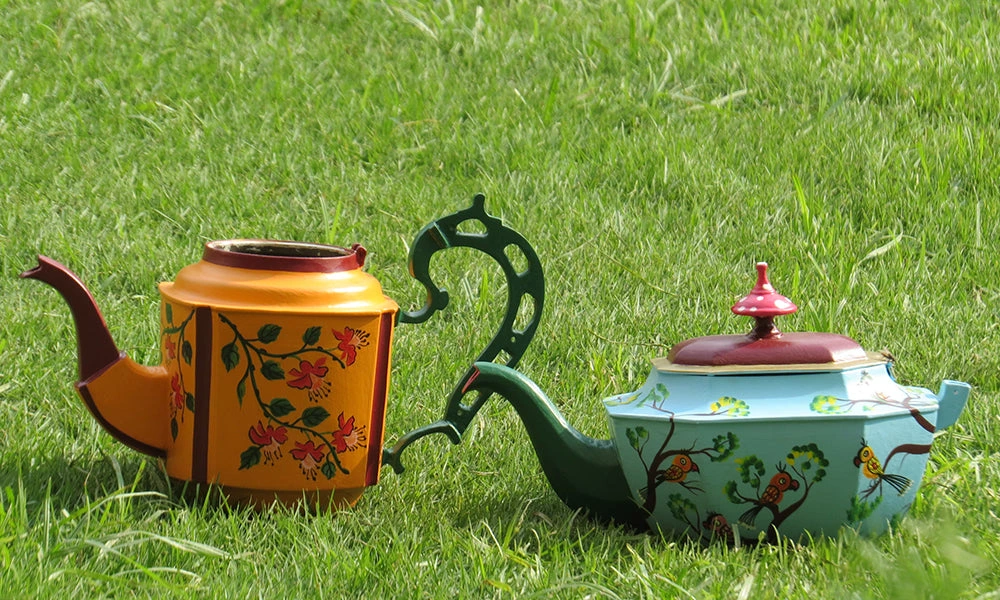
Many household items can serve a new purpose instead of being thrown away. Glass bottles can become flower vases, old T-shirts can be turned into cleaning cloths, and wooden boxes can be used as storage organizers. Repurposing encourages creativity while reducing unnecessary purchases. These practical how to reduce waste at home tips prove that many items still have value even after their original purpose has ended. Reusing materials helps reduce landfill waste and conserves resources.
23. Support Local and Sustainable Businesses
Buying from local businesses often means shorter transportation distances, less packaging, and lower carbon emissions. Many local producers also use eco-friendly packaging and sustainable production methods. Supporting responsible businesses encourages environmentally friendly practices while strengthening local communities. If you’re committed to how to reduce waste at home, your purchasing decisions can influence positive environmental change. Every responsible purchase contributes to a cleaner and more sustainable future.


24. Teach Your Family Sustainable Habits
Creating a sustainable home becomes easier when every family member participates. Teach children to switch off unnecessary lights, avoid wasting food, recycle correctly, and carry reusable bottles and bags. When sustainable habits become part of everyday family life, they continue for generations. A successful zero waste lifestyle is built through education, consistency, and teamwork rather than individual effort alone. Small lessons today create lifelong environmental responsibility.
25. Review Your Household Waste Every Month
Spend a few minutes each month checking what fills your dustbin the most. You may notice excessive food waste, plastic packaging, paper products, or disposable items. Identifying these patterns helps you discover where improvements can be made. Regular waste audits make how to reduce waste daily more measurable and practical because you can track your progress over time. Small improvements each month lead to significant long-term results.
26. Make Sustainability a Daily Habit, Not a One-Time Challenge
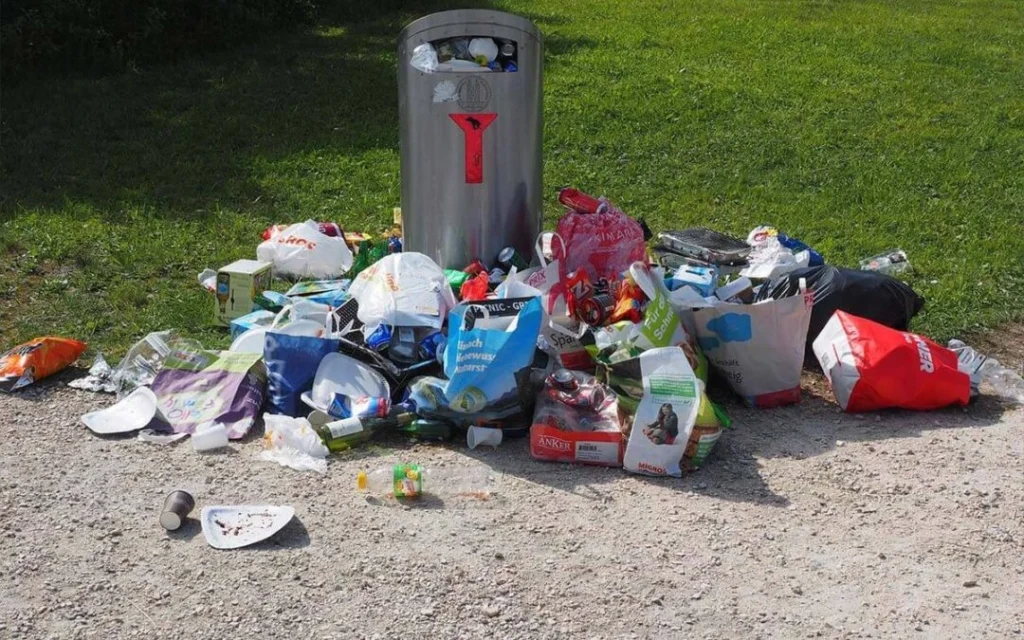
The greatest environmental impact comes from consistency rather than perfection. You don’t have to eliminate every piece of waste overnight. Instead, focus on making better choices every single day, whether it’s carrying reusable items, buying thoughtfully, repairing products, or reducing unnecessary consumption. Over time, these habits become effortless and inspire others around you. This is the true meaning of a zero waste lifestyle—creating positive change through simple daily actions that help Reduce Waste and protect our planet for future generations
Final Thoughts
Sustainable living does not have to involve expensive items and major lifestyle changes. It is all about awareness and gradual adoption of habits that eventually turn into a way of life. Each reusable bottle, each item fixed, each cloth shopping bag, and each conscious buying decision helps cut down on wastage and save precious natural resources. One can begin their sustainable path from one habit, which will develop and grow into more choices.
At Kumar Engineering, we believe that solving environmental challenges starts with sharing practical knowledge instead of making unrealistic promises. Our goal is to help individuals, families, and businesses understand how to reduce waste at home, adopt effective how to reduce waste at home tips, and build a practical zero waste lifestyle that benefits both the environment and future generations. When more people choose to Reduce Waste through simple daily actions, together we create a cleaner, healthier, and more sustainable world.
Frequently Asked Questions
1. What is a zero waste lifestyle?
A zero waste lifestyle is a way of living that focuses on reducing unnecessary waste by choosing reusable products, avoiding single-use items, repairing belongings, and recycling responsibly. The objective is to minimize landfill waste while conserving natural resources.
2. How can I reduce waste daily without changing my entire lifestyle?
Start with simple habits like carrying a reusable water bottle, using cloth shopping bags, planning meals, buying products with less packaging, and repairing household items instead of replacing them. Small consistent actions make a big difference over time.
3. What are the most effective ways to reduce waste at home?
Some of the best how to reduce waste at home tips include composting kitchen waste, using reusable containers, reducing food waste, donating unwanted items, buying in bulk, and choosing refillable household products.
4. Does reducing waste really save money?
Yes. Reusing products, avoiding unnecessary purchases, repairing items, reducing food waste, and buying only what you need can significantly lower household expenses while also protecting the environment.
5. Why is reducing waste more important than recycling?
Recycling is valuable, but reducing waste prevents unnecessary products from being created and discarded in the first place. Reusing and reducing conserve more energy and resources than recycling alone.
6. How long does it take to build a zero waste lifestyle?
Building a zero waste lifestyle is a gradual process. Focus on adopting one new sustainable habit at a time. Over weeks and months, these small changes become part of your daily routine, making sustainable living easier and more effective.