Urbanization is accelerating today, and the need for effective waste management has become more critical than ever. With growing populations, higher consumption levels, and increasing production patterns, the volume of waste generated is rising rapidly – posing significant environmental, economic, and health challenges. Yet, waste is an inevitable part of our daily lives. Efficient waste management not only seeks to minimize harm but also creates value, conserves resources, and strengthens community well-being.
In this blog, we explore the importance of waste management, its far-reaching impacts, and how innovative solutions like food waste composting machines from Kumar Engineering are transforming our approach to waste.
What Is Waste Management?
Waste management refers to the collection, transportation, processing, recycling, and disposal of waste materials in ways that protect human health, conserve resources, and safeguard the environment. It includes everything from household trash collection to industrial recycling programs, hazardous waste handling, and composting systems.
Essentially, effective waste management aims to minimize waste generation, maximize reuse and recycling, and ensure the safe disposal of materials that cannot be reused or repurposed.
Importance of Waste Management: Why it Matters?
1. Environmental Protection
Improper waste disposal — such as open dumping or burning — damages ecosystems, pollutes air, soil, and water, and contributes to climate change. Organic waste like food and garden refuse decomposes anaerobically (without oxygen) in landfills, producing methane — a greenhouse gas far more potent than carbon dioxide.
By diverting waste away from landfills and promoting processes like composting and recycling, waste management helps reduce greenhouse gas emissions and mitigate environmental degradation.
2. Public Health & Hygiene
Unmanaged waste attracts pests, creates unsanitary conditions, and spreads disease. Stagnant heaps of garbage become breeding grounds for rodents and insects, endangering communities — especially in densely populated urban areas. Organized waste collection, safe disposal, and effective treatment systems are essential to prevent outbreaks and maintain community health.
3. Resource Conservation
Many materials discarded as “waste” still contain valuable components. Recycling paper, plastics, metals, and glass conserves natural resources and reduces the need for virgin material extraction. Similarly, converting biodegradable waste into compost returns nutrients to the soil, enriching it and lowering dependence on chemical fertilizers.
4. Economic Benefits
Efficient waste management drives economic opportunities — from recycling industries and compost production to clean tech innovation and job creation. Cities with robust waste systems save money on landfill fees and environmental remediation, while individuals and businesses can benefit from reduced disposal costs and even income from recycled or composted materials.
5. Enhanced Community Livability
Neighborhoods with clean streets, well-managed waste systems, and accessible recycling services promote dignity, pride, and well-being. Waste management isn’t just a service — it shapes the quality of life and reflects societal values around responsibility and sustainability.
Addressing Food Waste: A Critical Challenge
Among the many types of waste generated daily, food waste stands out as a major concern. From kitchens in homes and restaurants to food processing units and institutions, enormous quantities of edible or biodegradable food scraps are thrown away.
Globally, a significant share of food produced never reaches consumption and ends up as waste. Not only does this represent a loss of resources — such as water, land use, energy, and labor — but when food waste is sent to landfills, it produces methane and exacerbates climate change.
Composting: Transforming Waste into Wealth
Instead of seeing food waste as a problem, composting frames it as a resource. Composting is a natural biological process that transforms organic waste — such as vegetable peels, leftovers, and garden trimmings — into rich, nutrient-dense organic matter that improves soil quality.
Benefits of Composting
- Reduces landfill waste and methane emissions.
- Produces nutrient-rich soil amendments that support plant growth.
- Improves soil fertility and water retention, reducing dependency on chemical fertilizers.
- Enhances biodiversity in soils.
- Encourages circular resource cycles, particularly in agriculture and landscaping.
By adopting composting as part of waste management strategies, households, communities, and businesses turn a liability into a valuable asset
Innovative Solutions: Food Waste Composting Machines
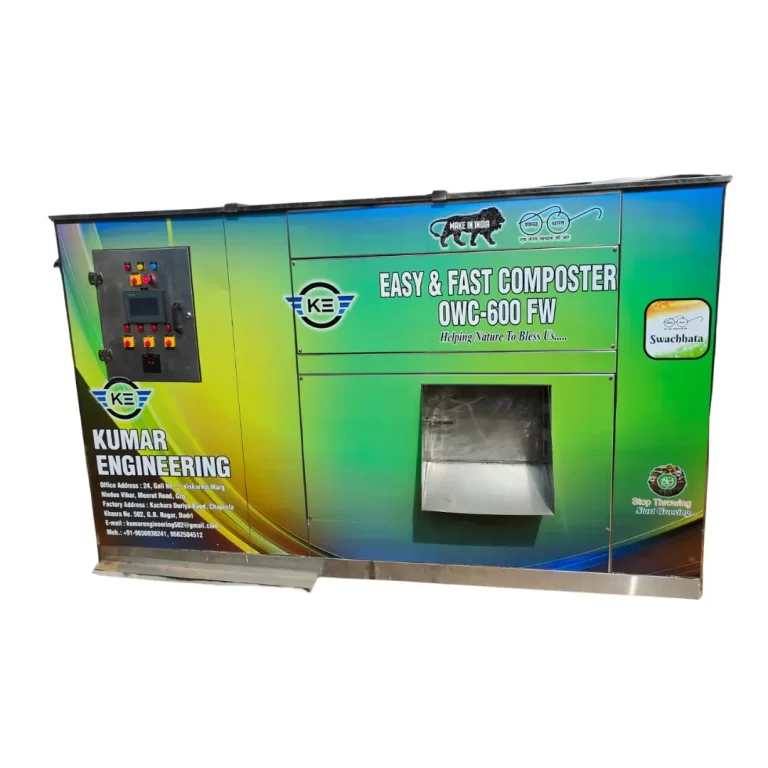
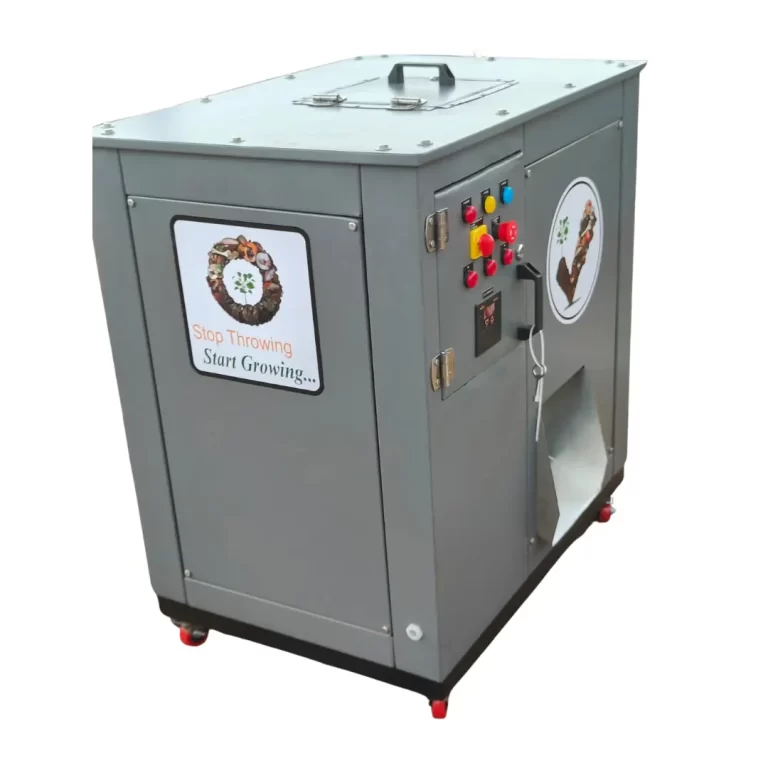
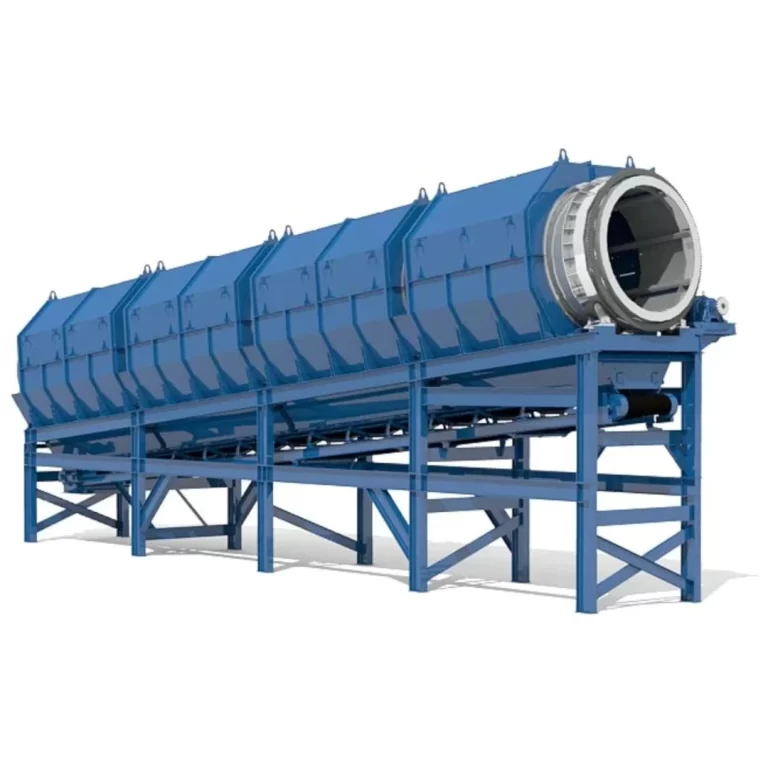
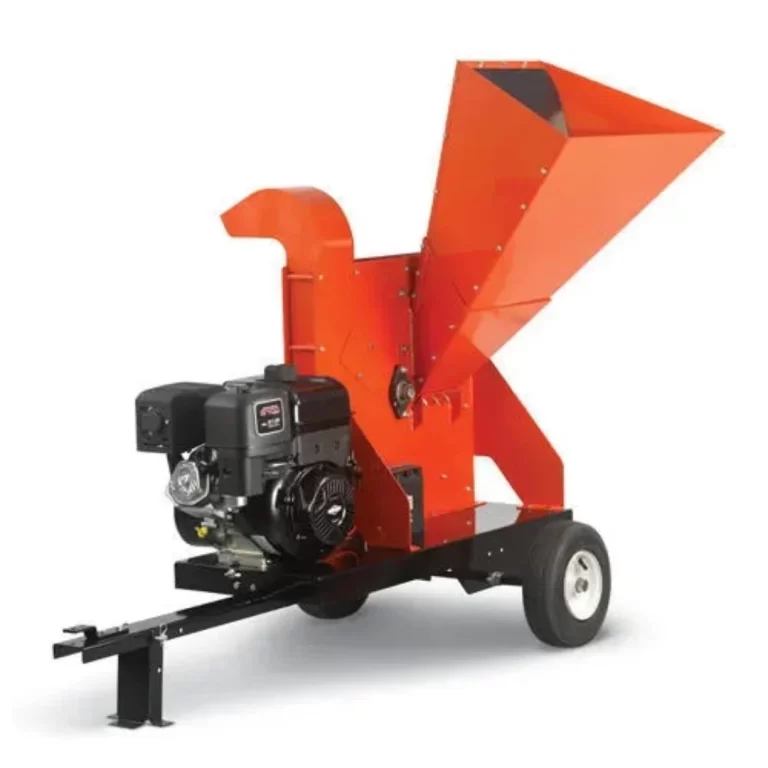
While traditional composting — like backyard compost piles — is useful, it can be slow, space-intensive, and sometimes impractical in urban environments. This is where food waste composting machines come in: advanced systems that automate, accelerate, and simplify the composting process.
Introducing Kumar Engineering
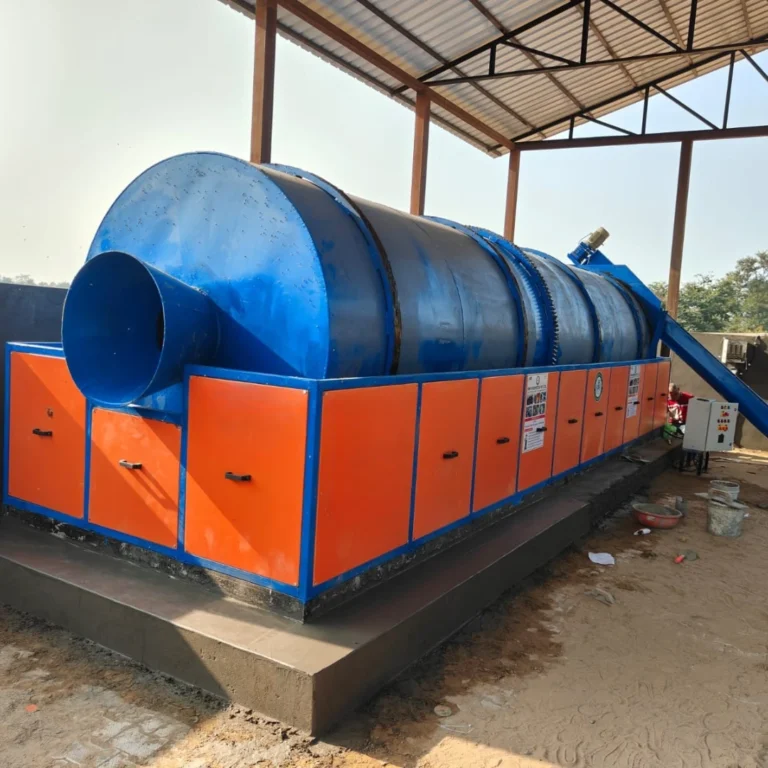
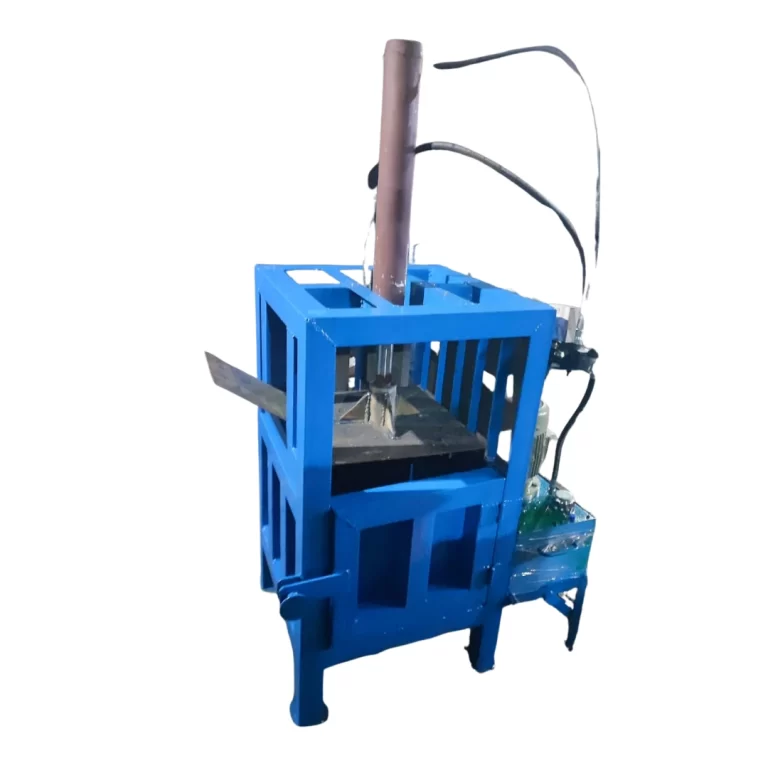
Kumar Engineering is a leading food waste composting machine manufacturer in India, offering advanced solutions to manage organic waste efficiently. Our machines are designed to convert food waste into nutrient-rich compost quickly, hygienically, and with minimal human intervention.
These composting systems are ideal for:
Residential societies
Hotels and restaurants
Hospitals
Corporate offices
Educational institutions
Municipal bodies
By integrating robust engineering and eco-friendly design, our composting machines help organizations and communities reduce landfill contributions and promote sustainable waste practices.
Impact of Waste Management
1. Climate Change Mitigation
Proper waste segregation, recycling, and composting significantly reduce greenhouse gas emissions. When organic waste is processed correctly — especially through aerobic composting — emissions are far less harmful than anaerobic decomposition in landfills.
2. Circular Economy Advancement
By viewing waste as a resource, communities can close the loop on material use. Materials once considered waste can be recycled into new products, reused in production, or transformed into soil-enriching compost — creating a more sustainable economic model.
3. Empowered Local Economies
Small and medium enterprises (SMEs) focused on recycling and composting technology — such as Kumar Engineering — create jobs and drive innovation. These businesses help decentralize waste processing and foster localized solutions that are tailored to community needs.
4. Policy and Behavioural Shifts
As waste management becomes central to urban planning and governance, policies that promote reduction, reuse, and recycling encourage behavioral changes. Citizens become more conscious of their consumption patterns and more involved in sustainable practices.
Need of Waste Management
Waste management is essential to maintain a clean, healthy, and sustainable environment. With increasing population and industrial growth, the amount of waste generated every day is rising rapidly. Proper waste management helps in reducing pollution, protecting natural resources, and preventing health hazards caused by improper disposal of waste.
Effective waste management ensures safe collection, segregation, recycling, and disposal of waste, which minimizes landfills and reduces greenhouse gas emissions. It also promotes resource conservation by encouraging reuse and recycling of materials. Managing organic waste through composting converts waste into useful manure, supporting agriculture and reducing environmental impact.
Moving Forward: What We Can Do
Everyone — from governments and corporations to individuals — has a role to play in improving waste management. Here are practical steps to take:
Reduce waste at the source — buy responsibly, avoid single-use plastics, and choose reusable options.
Segregate waste — separate organic, recyclable, and hazardous waste at home or workplace.
Compost organic waste — use traditional composting or invest in composting machines for larger waste volumes.
Support innovative solutions — adopt technologies that streamline and improve waste processing.
Educate and advocate — spread awareness about the impacts of waste and the benefits of sustainable waste practices.
Conclusion: Turning Challenges into Opportunities
Waste management is not merely a public service — it is a cornerstone of environmental stewardship, public health, and sustainable development. By understanding the importance of managing waste responsibly and embracing innovative tools like food waste composting machines from Kumar Engineering, we can significantly reduce environmental harm, conserve valuable resources, and enrich the ecosystems that sustain life.
Every piece of waste managed responsibly is a step toward a cleaner, greener, and more resilient future — and each of us has a part to play in making that