
In an era where environmental sustainability has become a global priority, composting stands out as one of the simplest yet most powerful practices to reduce waste and improve soil health. Every year, millions of tons of food waste end up in landfills, generating harmful greenhouse gases like methane and contributing to pollution. Composting offers a sustainable solution by converting this organic waste into nutrient-rich material that can rejuvenate soil and support healthier ecosystems.
This blog explores the vital role composting plays in minimizing food waste and enriching the soil, its process, benefits, and how individuals and communities can adopt this eco-friendly practice effectively.
Understanding Composting
Composting is a natural process of recycling organic matter, such as food scraps, yard waste, and plant residues, into a valuable soil conditioner called compost. Microorganisms like bacteria, fungi, and earthworms break down these materials under controlled conditions, producing a dark, crumbly, and earthy-smelling substance that enhances soil fertility.
Essentially, composting transforms what we often perceive as “waste” into a renewable resource. Instead of sending food scraps to landfills where they decompose anaerobically (without oxygen) and emit methane, composting allows for aerobic decomposition (with oxygen), which is far less harmful to the environment.
The Problem of Food Waste
Globally, approximately one-third of all food produced is wasted each year. This wasted food represents not only the loss of edible resources but also the energy, water, and labor used in production, transportation, and storage. When discarded food ends up in landfills, it breaks down in the absence of oxygen, releasing methane — a greenhouse gas over 25 times more potent than carbon dioxide.
In addition to environmental harm, food waste in landfills contributes to odor, pest problems, and the unnecessary use of valuable landfill space. Composting, therefore, offers a viable and sustainable alternative that benefits both the planet and the soil.
How Composting Reduces Food Waste
Composting directly addresses the issue of food waste by diverting organic materials away from landfills. Here’s how it helps:
- Waste Diversion: Instead of discarding food scraps and yard waste, composting channels them into a natural recycling system. This reduces landfill waste and lowers disposal costs for households and municipalities.
- Methane Reduction: By decomposing organic waste aerobically, composting significantly cuts methane emissions, helping mitigate climate change
- Resource Recovery: Composting converts discarded food and organic matter into something valuable — nutrient-rich compost that can be reused to support plant growth and soil regeneration.
- Promoting Sustainable Habits: Regular composting encourages individuals and communities to be more mindful of consumption, waste generation, and sustainable living practices.
Types of Composting Methods
There are several composting methods, each suitable for different scales and requirements:
- Home Composting: Ideal for households, this method uses small compost bins or pits to decompose kitchen scraps and garden waste.
- Vermicomposting: Involves using earthworms to accelerate decomposition. It produces high-quality compost rich in nutrients.
- Aerated Static Pile Composting: Commonly used by farms and industries, this method uses forced aeration to speed up the process.
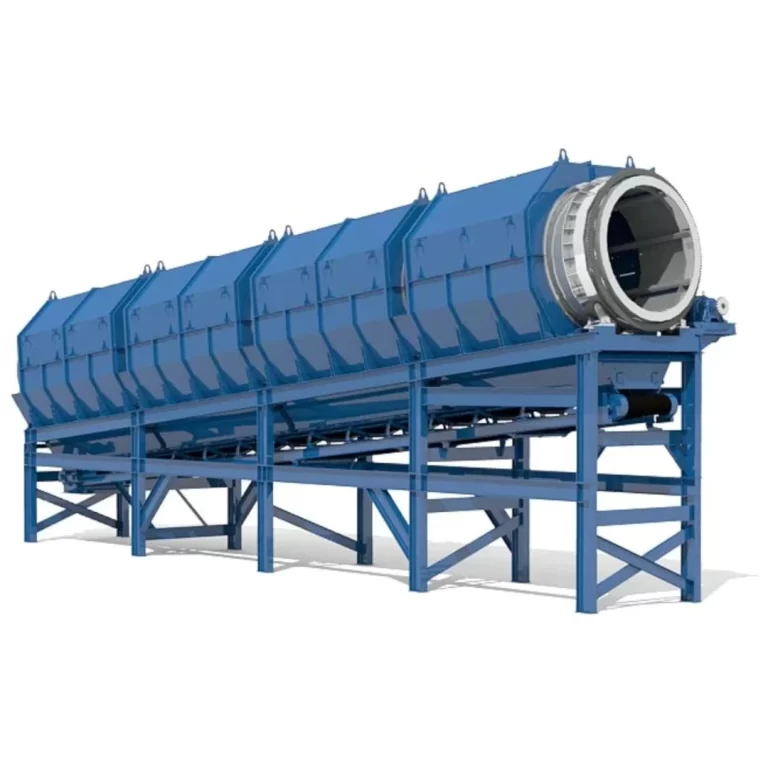
- In-Vessel Composting: Suitable for urban or large-scale facilities, it contains and controls the composting process in enclosed reactors.
Each method aims to balance the three key elements of composting — browns (carbon-rich materials like dry leaves), greens (nitrogen-rich materials like food scraps), and moisture to create optimal conditions for decomposition
Composting and Soil Enrichment
The end product of composting — compost — is often called “black gold” for a reason. It significantly improves soil quality and fertility in multiple ways:
- Enhances Soil Structure: Compost improves the physical structure of soil, making it more porous and easier to work with. It increases aeration and water retention, benefiting plant root systems.
- Nutrient-Rich: Compost adds essential nutrients such as nitrogen, phosphorus, potassium, and micronutrients that promote healthy plant growth.
- Improves Microbial Activity: Compost encourages beneficial microorganisms that support nutrient cycling and help suppress plant diseases.
- Balances Soil pH: Compost naturally neutralizes soil acidity, creating a balanced environment for plants.
- Reduces Erosion: By improving soil texture and binding particles together, compost helps prevent erosion caused by wind and water.
- Supports Sustainable Agriculture: Regular compost application reduces the need for chemical fertilizers, lowering production costs and environmental pollution.
Through these benefits, composting not only recycles organic waste but also revitalizes the very foundation of food production — the soil.
Environmental Benefits of Composting
Beyond waste reduction and soil improvement, composting delivers several broader environmental benefits:
- Reduces Landfill Volume: Composting diverts a large portion of organic material from landfills, extending their lifespan.
- Lowers Greenhouse Gas Emissions: Aerobic decomposition emits minimal methane compared to landfill breakdown.
- Conserves Water: Compost-enriched soil retains moisture better, reducing irrigation needs.
- Restores Ecosystems: Compost supports the growth of vegetation, which helps restore degraded lands and prevent desertification.
How to Start Composting
Starting a composting system is simple and rewarding. Here’s a basic guide:
- Choose a Location: Select a dry, shaded area near a water source.
- Select a Container or Space: You can use a compost bin, tumbler, or an open pit depending on available space.
- Add Organic Materials: Combine “greens” (fruit and vegetable peels, coffee grounds, grass clippings) with “browns” (dry leaves, paper, wood chips).
- Maintain Moisture: Keep the compost pile damp, like a wrung-out sponge.
- Turn Regularly: Turning introduces oxygen, speeding up decomposition.
- Wait and Harvest: Within a few months, you’ll get dark, earthy compost ready for use in gardens or farms.
Composting can also be done indoors using specialized bins, making it accessible even in urban apartments.
The Connection Between Composting and Climate Change
Composting plays a significant role in combating climate change by reducing greenhouse gas emissions and improving carbon sequestration in soils. When organic waste like food scraps and yard debris end up in landfills, they decompose without oxygen, releasing methane — a potent greenhouse gas. Composting, on the other hand, is an aerobic process that minimizes methane generation. Moreover, the compost produced enriches soil with organic matter, improving its ability to store carbon and retain moisture. This not only reduces the need for chemical fertilizers but also supports healthier plant growth, which naturally absorbs more carbon dioxide from the atmosphere. By turning waste into a valuable resource, composting directly supports global climate action goals.
Composting Initiatives for Communities
Community composting initiatives empower neighborhoods to manage organic waste sustainably. Local composting centers, community gardens, and municipal composting programs collect kitchen and yard waste, converting it into nutrient-rich compost for public spaces and agriculture. These initiatives reduce landfill pressure, lower emissions, and promote environmental awareness. Schools, housing societies, and municipalities can collaborate to set up composting units and educate residents on waste segregation and composting practices. By working together, communities not only reduce their carbon footprint but also create cleaner, greener environments and promote a circular economy that values resource recovery over waste disposal.
The Bigger Picture: Composting as a Sustainability Tool
Composting is not just a household activity—it’s a community-driven movement that supports a circular economy. Municipal composting programs can process tons of organic waste daily, reducing landfill dependency and creating valuable compost for public parks, gardens, and farms.
In agriculture, composting enhances soil fertility naturally, helping farmers reduce chemical inputs and maintain productivity. Schools, restaurants, and corporate offices can also implement composting systems to reduce waste generation and promote environmental awareness.
When practiced collectively, composting becomes a key player in combating climate change, promoting food security, and restoring ecological balance.
Conclusion
Composting serves as a bridge between waste management and soil enrichment — transforming discarded organic matter into a powerful resource that sustains life. By embracing composting, individuals and communities can reduce food waste, curb greenhouse gas emissions, and nurture healthier, more fertile soils.
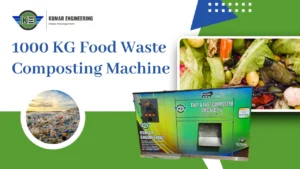
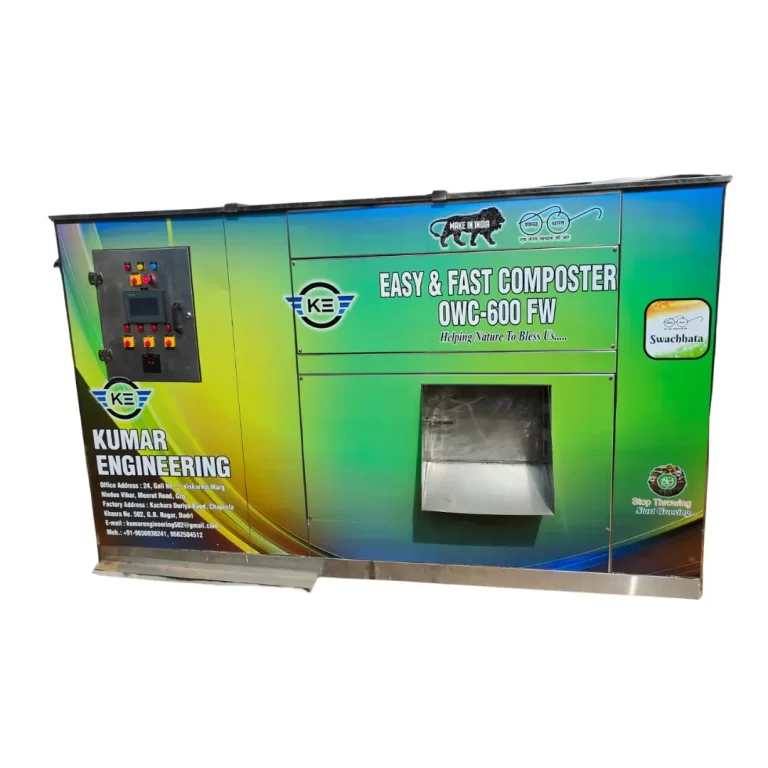
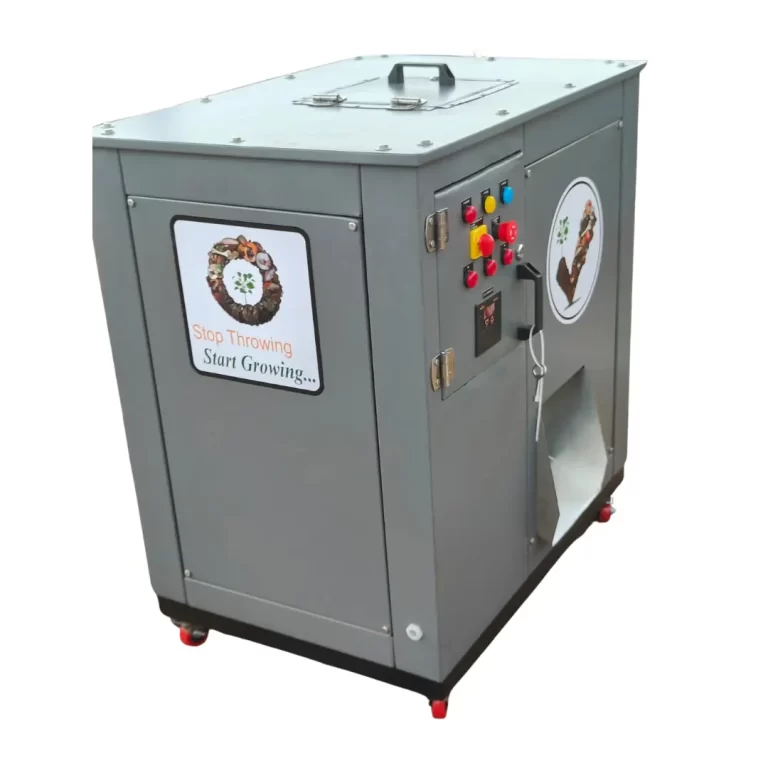
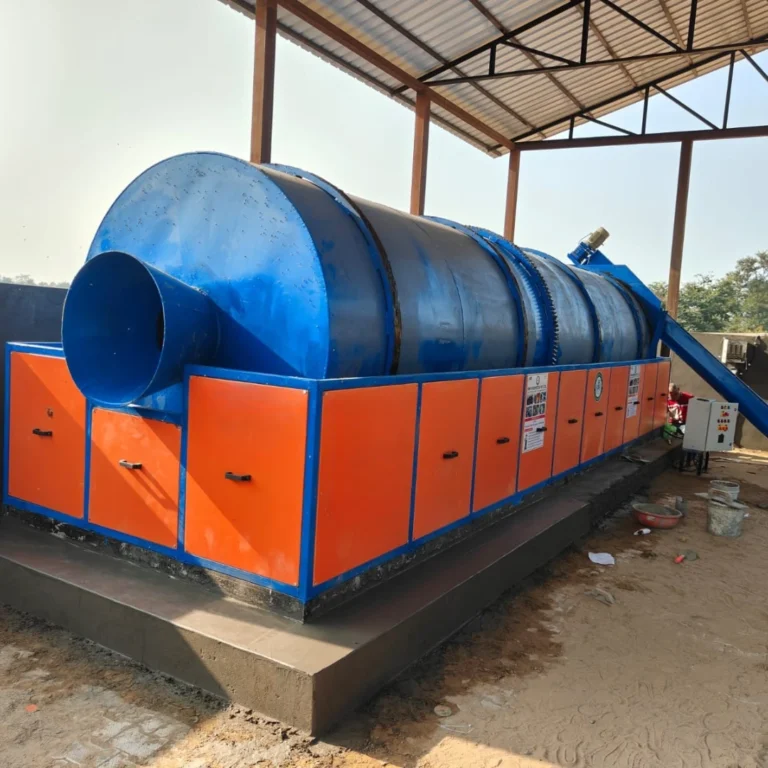
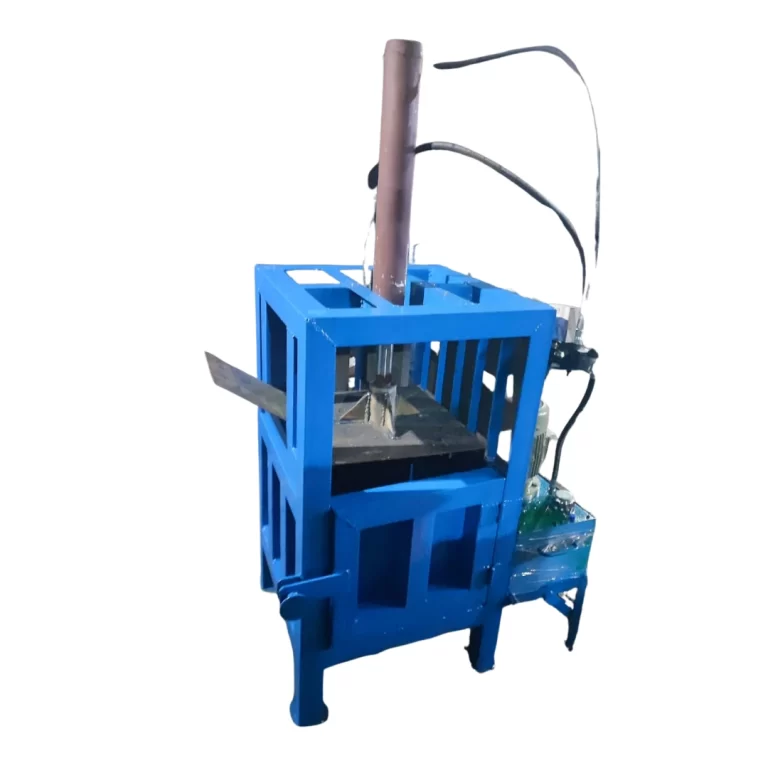
By manufacturing and delivering highly efficient Food Waste Composting Machines, Kumar Engineerings provides irreplaceable support in the food waste management and composting process. These advanced machines are designed to convert organic waste such as leftover food, vegetable peels, and kitchen scraps into nutrient-rich compost within a short time. Built with precision engineering and user-friendly controls, Kumar Engineerings’ composting systems ensure an eco-friendly, odor-free, and hygienic operation suitable for residential complexes, hotels, institutions, and municipal applications.
In a world struggling with the consequences of overconsumption and environmental degradation, composting reminds us that sustainability begins at home — with simple, mindful actions that reconnect us with nature’s own cycle of renewal.