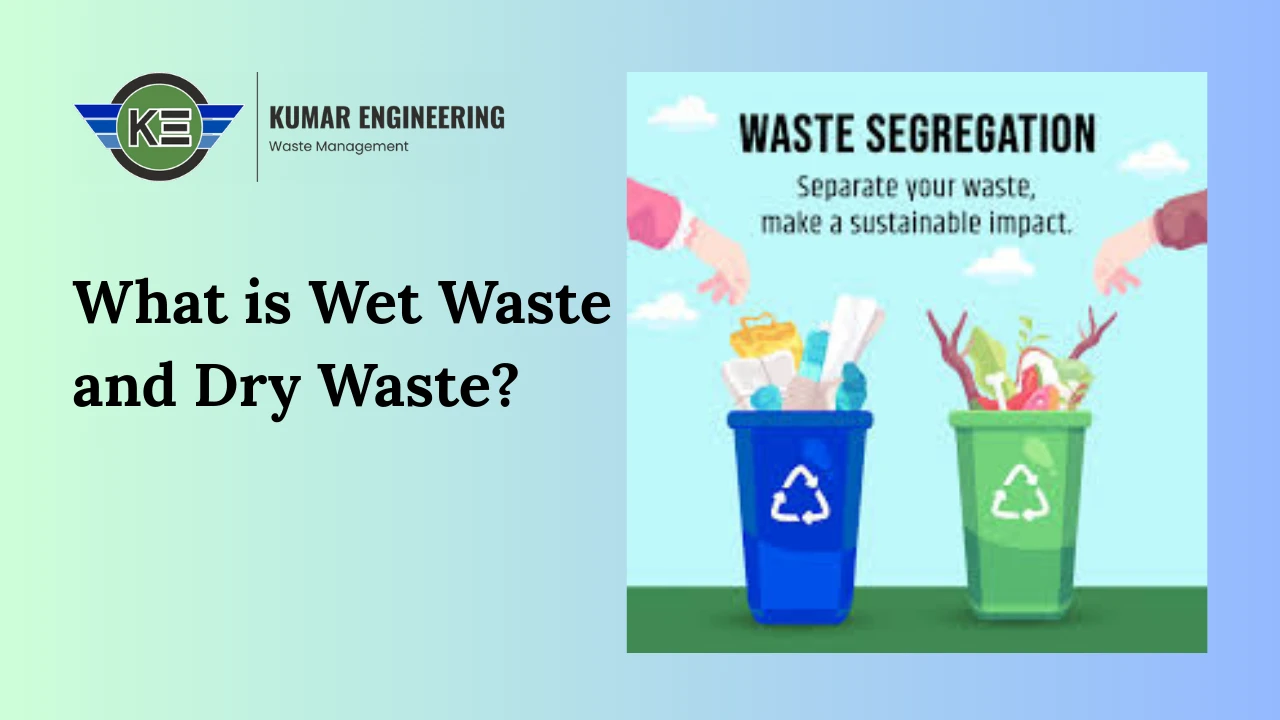
Waste management is one of the most important aspects of maintaining a clean, healthy, and sustainable environment. In waste segregation, the first and most essential step is understanding the difference between wet and dry waste. Identifying and separating these waste types at the source helps in efficient recycling, composting, and safe disposal. By managing wet and dry waste properly, we can reduce pollution, conserve natural resources, and promote a cleaner and more sustainable living environment for present and future generations.
What is Wet Waste?
Wet waste refers to organic waste that decomposes naturally. This type of waste mainly includes kitchen and food-related items that are biodegradable and can be broken down through natural processes. Wet waste usually contains moisture and is suitable for composting.
Examples of Wet Waste
- Vegetable and fruit peels
- Leftover food
- Tea leaves and coffee grounds
- Garden waste like leaves and flowers
- Eggshells and biodegradable kitchen waste
Wet waste can be converted into compost, which can be used as organic fertilizer for plants and soil improvement. Proper management of wet waste reduces landfill usage and helps create natural manure for agriculture and gardening.
What is Dry Waste?
Dry waste consists of materials that do not decompose easily and can often be recycled. These materials are usually non-biodegradable and need proper processing to avoid environmental pollution. Dry waste can be reused or recycled to produce new products.
Examples of Dry Waste
- Paper and cardboard
- Plastic bottles and containers
- Glass bottles and jars
- Metal items like cans and tins
- Fabrics and packaging materials
Dry waste should be cleaned and kept separate from wet waste to make recycling easier and more effective. Proper segregation ensures that recyclable materials do not end up in landfills.
Importance of Segregating Wet Waste and Dry Waste
Waste segregation is essential for effective waste management. When wet and dry waste are mixed, recycling becomes difficult, and organic waste loses its composting potential. Segregation at the source helps in reducing pollution and conserving resources.
Key Benefits of Waste Segregation
- Reduces Environmental Pollution
Proper separation prevents harmful waste from reaching landfills and reduces air, water, and soil pollution. - Supports Recycling Efforts
Clean dry waste can be easily recycled into new products, reducing the demand for raw materials. - Promotes Composting
Wet waste can be converted into nutrient-rich compost, which improves soil quality and reduces the need for chemical fertilizers. - Reduces Landfill Waste
When waste is properly segregated, less garbage ends up in landfills, reducing land usage and greenhouse gas emissions. - Improves Public Health
Proper waste management reduces the risk of diseases caused by pests and contamination.
Environmental Impact of Wet and Dry Waste
Improper disposal of waste has serious environmental consequences. When wet waste is dumped in landfills, it decomposes without oxygen and produces methane gas, which contributes to global warming. Similarly, dry waste like plastic can take hundreds of years to break down and can pollute land and water bodies.
Negative Effects of Improper Waste Disposal
- Air and water pollution
- Soil contamination
- Harm to wildlife and marine life
- Greenhouse gas emissions
- Increased landfill burden
By practicing responsible waste management, these negative effects can be minimized, helping protect ecosystems and natural resources.
Difference Between Wet Waste and Dry Waste
| Wet Waste | Dry Waste |
|---|---|
| Biodegradable | Non-biodegradable |
| Contains moisture | Mostly dry materials |
| Can be composted | Can be recycled |
| Produces odor if unmanaged | Does not decompose easily |
What is Waste Segregation?
Waste segregation is the process of dividing waste into different types based on their characteristics, such as wet, dry, hazardous, or electronic waste. This makes it easier to treat, recycle, or dispose of the waste safely.
Segregation is usually done using color-coded bins:
- Green Bin – Wet / biodegradable waste
- Blue Bin – Dry / recyclable waste
- Red Bin – Hazardous waste (like batteries, chemicals)
- Black Bin – Non-recyclable / residual waste
How to Segregate Wet and Dry Waste at Industries
- Place clearly labeled bins for wet and dry waste at all workstations and common areas.
- Train employees to identify and separate organic (wet) waste from recyclable (dry) materials.
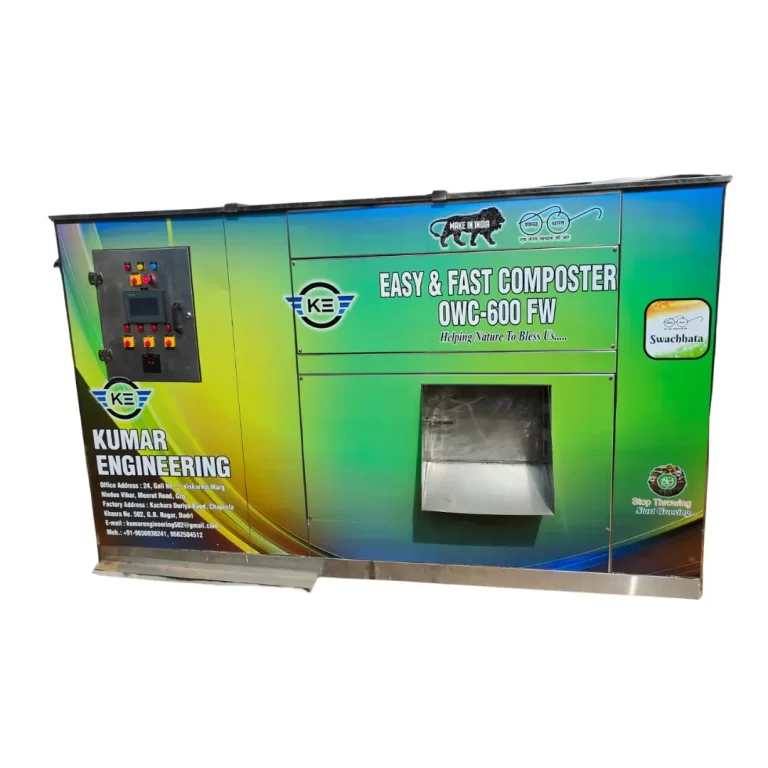
- Collect wet waste such as food scraps and biodegradable materials separately for composting or processing.
- Store dry waste like plastics, metals, paper, and packaging materials in dedicated containers for recycling.
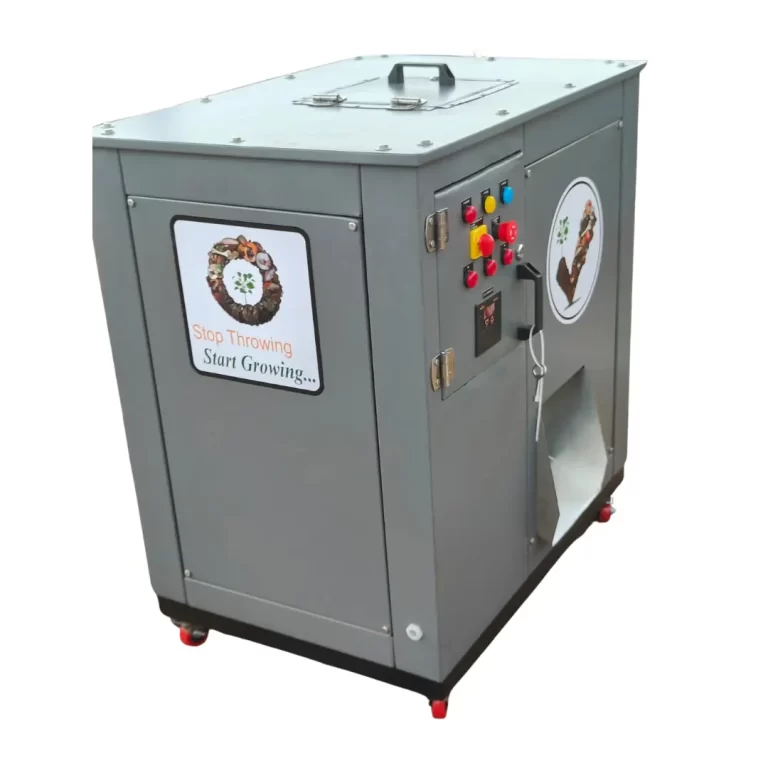
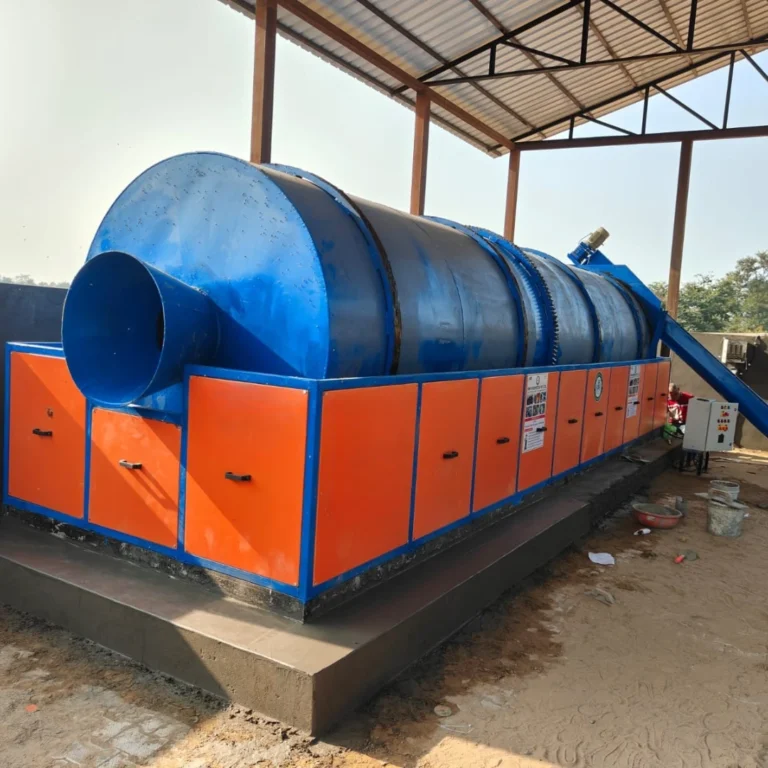
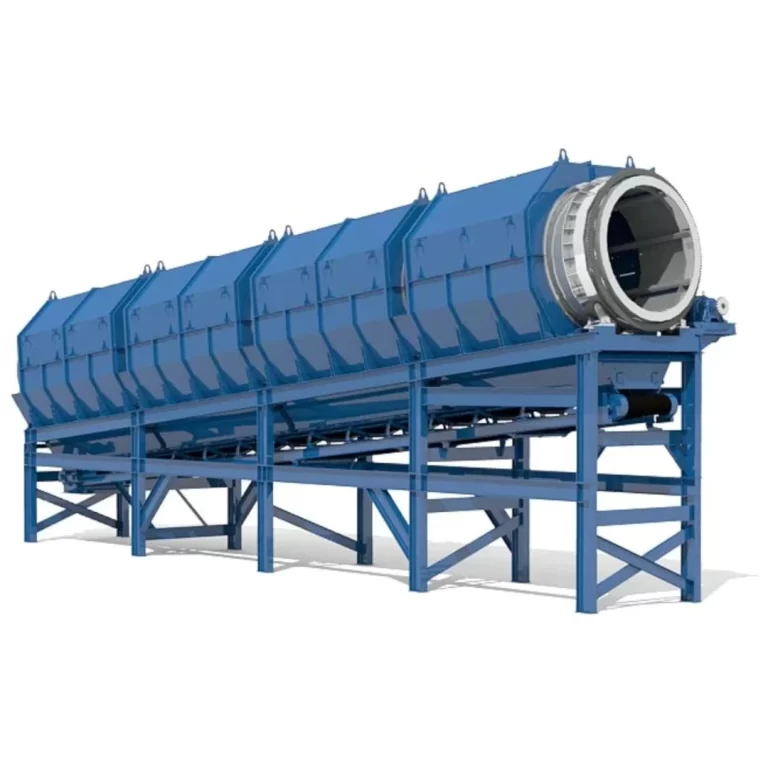
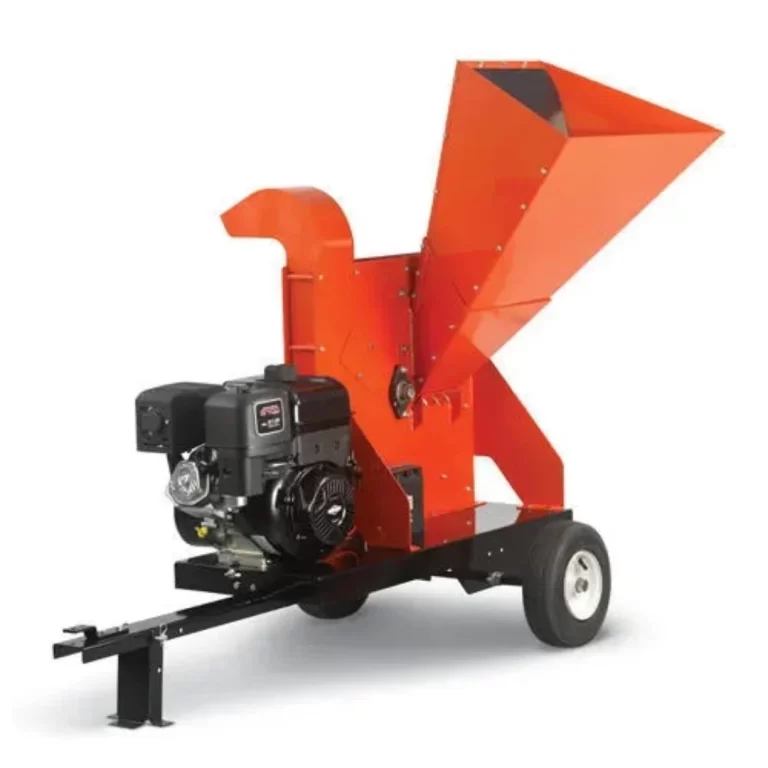
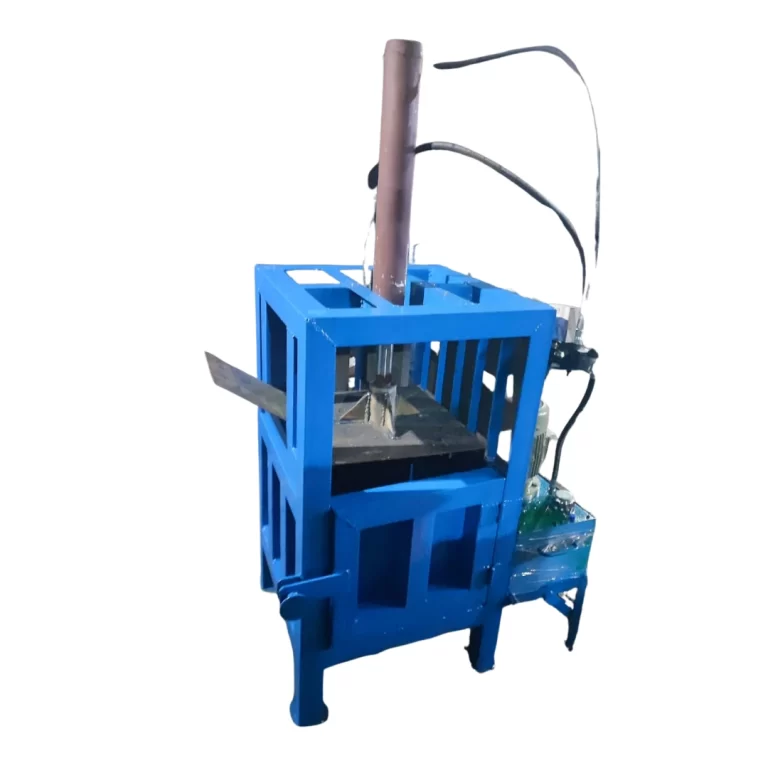
- Use waste shredder machines to reduce waste volume and improve recycling efficiency.
- Establish a regular waste collection and monitoring system to maintain hygiene and efficiency
Role of Individuals and Communities
Effective waste management is not just the responsibility of authorities; individuals and communities play a crucial role. Community awareness, responsible behavior, and participation in waste segregation programs can significantly reduce waste problems.
How Individuals Can Help
- Practice waste segregation daily
- Support recycling programs
- Use eco-friendly products
- Encourage composting at home
- Spread awareness about waste management
Importance of Waste Shredder Machine in Dry and Wet Waste Segregation
Waste shredders help reduce the size and volume of waste materials, making them easier to handle, transport, and process. For wet waste, shredding improves the composting process by breaking organic materials into smaller pieces, which accelerates decomposition and improves the quality of compost. For dry waste such as plastic, paper, metal, and packaging materials, shredding makes recycling more efficient and reduces storage space requirements.
- Reduces the size and volume of wet and dry waste for easy handling.
- Improves composting efficiency by breaking down organic waste faster.
- Makes recycling of dry waste like plastic, paper, and metal easier.
- Helps maintain hygiene by reducing odor and waste accumulation.
- Supports efficient waste management for industries and municipalities.
- Reduces landfill waste and promotes sustainable waste processing.
Conclusion
For industries and municipal sectors, wet waste and dry waste segregation is very important for effective waste management. Due to the large amount of waste generated daily, managing it manually becomes difficult. Mix Waste shredder machine efficiently handles different types of wet and dry waste, reducing the volume and making further processing easier. These machines help improve recycling efficiency, support proper waste disposal, and ensure smoother and more sustainable waste management operations.