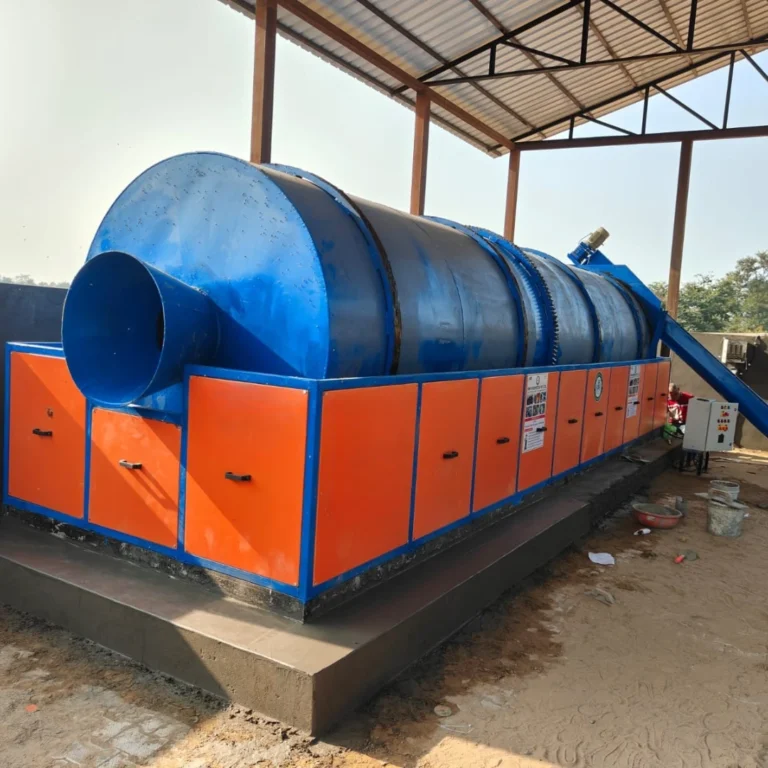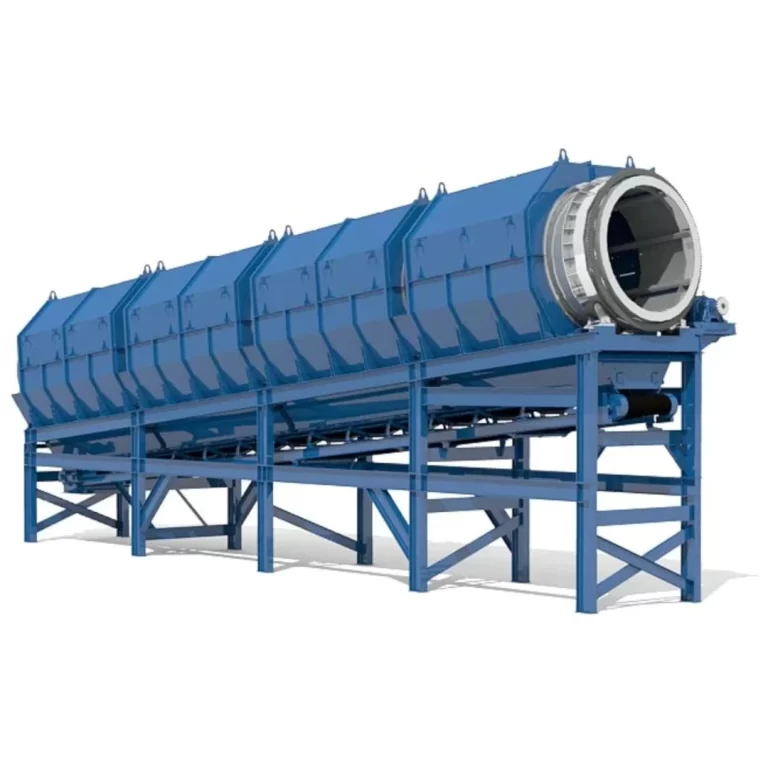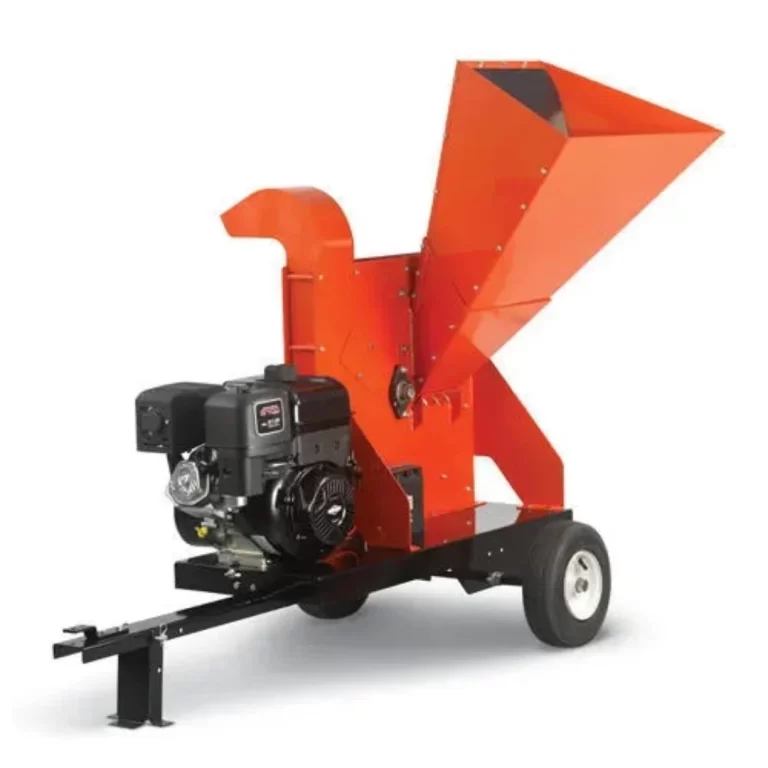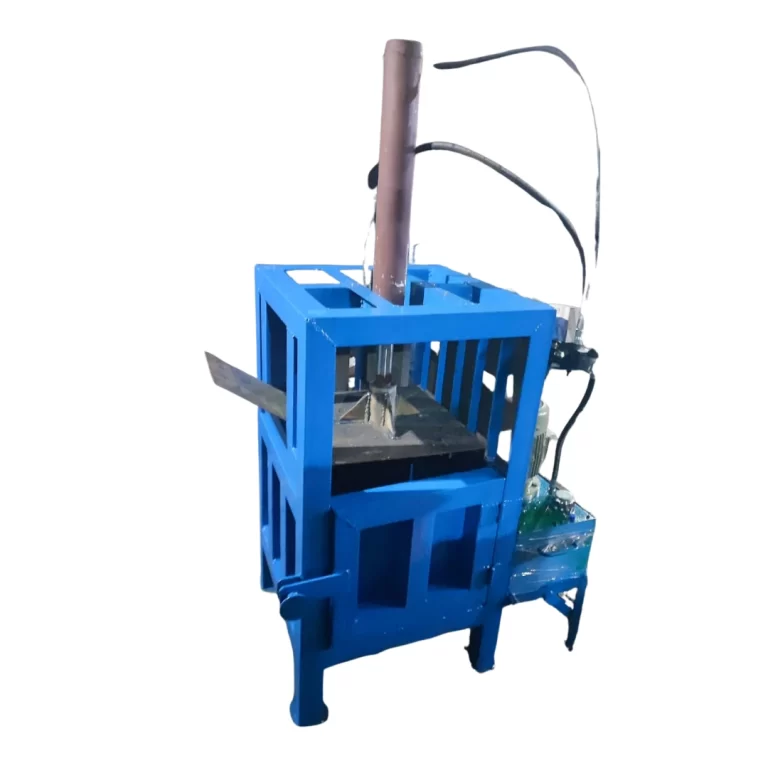
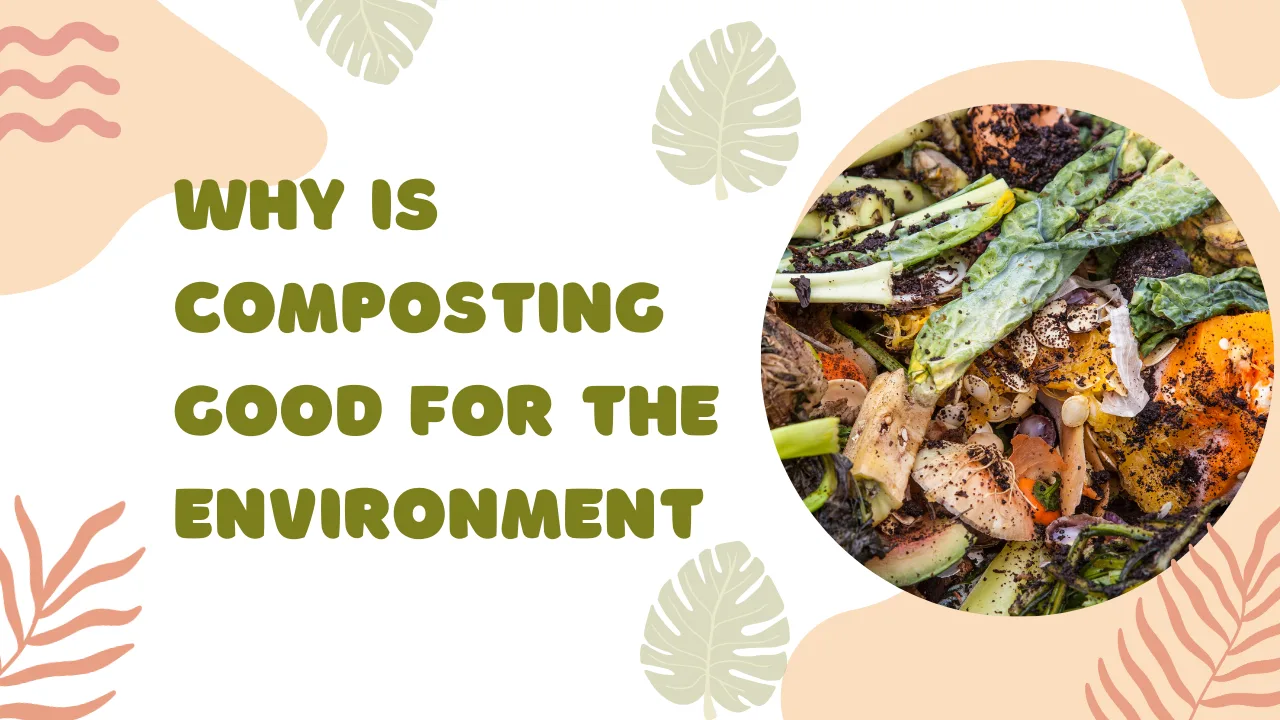
Composting is more than just a natural process; it is one of the most effective, eco-friendly, and sustainable methods for managing organic waste. From household food scraps to large-scale agricultural residue, composting transforms biodegradable materials into nutrient-rich compost that enriches soil and reduces environmental pollution. As global concerns about waste generation and climate change continue to rise, composting is becoming an essential part of modern waste management. Kumar Engineering, a well known food waste composting machine manufacturer, provides advanced composting machines and waste management solutions, are playing a crucial role in promoting efficient composting practices across industries and communities.
In this detailed blog, we explore the environmental benefits of composting, its impact on waste reduction, soil improvement, biodiversity, and how it contributes to a more sustainable future.
1. Composting Reduces Waste Sent to Landfills
A large portion of waste generated every day is organic—food scraps, vegetable waste, dry leaves, and biodegradable garden material. When this waste is mixed with other garbage and dumped into landfills, it decomposes slowly and in the absence of oxygen.
This anaerobic decomposition releases methane, a greenhouse gas that is 25 times more harmful than carbon dioxide. Landfills filled with organic waste are one of the biggest contributors to methane emissions globally.
By composting organic waste instead of dumping it, we reduce:
- Landfill space consumption
- Methane gas emissions
- Air pollution
- Waste transportation costs
Organizations using composting machines from Kumar Engineering have reported significantly lower waste disposal costs and improved environmental performance.
2. Composting Converts Waste Into a Valuable Resource
One of the greatest environmental benefits of composting is its ability to turn waste into valuable compost. Instead of throwing away kitchen scraps or agricultural residue, composting recycles this waste into an organic fertilizer that enhances soil health.
Compost contains:
- Nitrogen
- Phosphorus
- Potassium
- Micronutrients
- Beneficial microorganisms
These nutrients are essential for maintaining healthy soil and supporting strong plant growth. Unlike chemical fertilizers, compost improves soil naturally without harming the environment.
When municipalities and industries use composting systems developed by Kumar Engineering, they convert tons of waste into a resource that can be used in gardens, farms, landscaping, and even commercial agriculture.
3. Waste Composting Improves Soil Health and Fertility
Healthy soil is the foundation of sustainable agriculture and environmental balance. Compost enriches soil with organic matter, improving its structure and fertility.
Compost offers several soil benefits:
- Improves soil texture: Compost increases the soil’s ability to hold water, making it especially beneficial in dry or sandy regions.
- Enhances nutrient retention: Nutrients are released slowly, ensuring long-term soil fertility without harmful chemical buildup.
- Strengthens root growth: Plants grow stronger and healthier when nutrients and moisture are readily available.
- Reduces soil erosion: Compost improves soil stability, preventing erosion caused by wind or water.
Farmers, gardeners, and landscapers using compost observe improved crop yield, better soil productivity, and healthier plant growth.
4. Composting Reduces the Need for Chemical Fertilisers
Modern agriculture relies heavily on chemical fertilizers, which require energy-intensive production processes and cause long-term soil degradation. Overuse of these fertilizers also pollutes water bodies with harmful chemicals, leading to issues like algae growth and contamination.
waste Composting reduces the dependency on such synthetic fertilizers by providing a natural, organic alternative.
Environmental benefits include:
- Less soil pollution
- Healthier groundwater
- Reduced carbon footprint
- Sustainable farming practices
By promoting composting technology, Kumar Engineering helps industries, institutions, and agricultural operations adopt environmentally friendly fertilization methods.
5. Composting Helps Lower Greenhouse Gas Emissions
Organic waste in landfills breaks down without oxygen and produces methane, a major greenhouse gas. Waste composting uses aerobic decomposition, meaning the waste decomposes in the presence of oxygen, releasing far fewer harmful gases.
By adopting composting:
- Methane emissions decrease
- Carbon sequestration increases
- Overall greenhouse gas footprint reduces
When compost is applied to soil, it helps store carbon, thereby reducing the amount of carbon dioxide in the atmosphere. This makes composting a simple yet powerful climate-action tool.
6. Composting Supports Biodiversity and Enhances Ecosystems
Compost is rich in microorganisms, fungi, earthworms, and beneficial bacteria that support a healthy soil ecosystem. These micro-life forms break down organic material naturally, improving soil structure, moisture retention, and nutrient supply.
Healthy soil leads to:
- Vigorous plant growth
- Enhanced microbial activity
- Increased earthworm populations
- Balanced soil pH
- Improved plant immunity
With healthier plants and richer soil ecosystems, biodiversity thrives—from insects and birds to microorganisms and plant species.
7. Composting Encourages Sustainable Waste Management
As cities grow, waste management systems are facing increasing pressure. Composting reduces the burden on landfills and encourages recycling at the household and industrial levels.
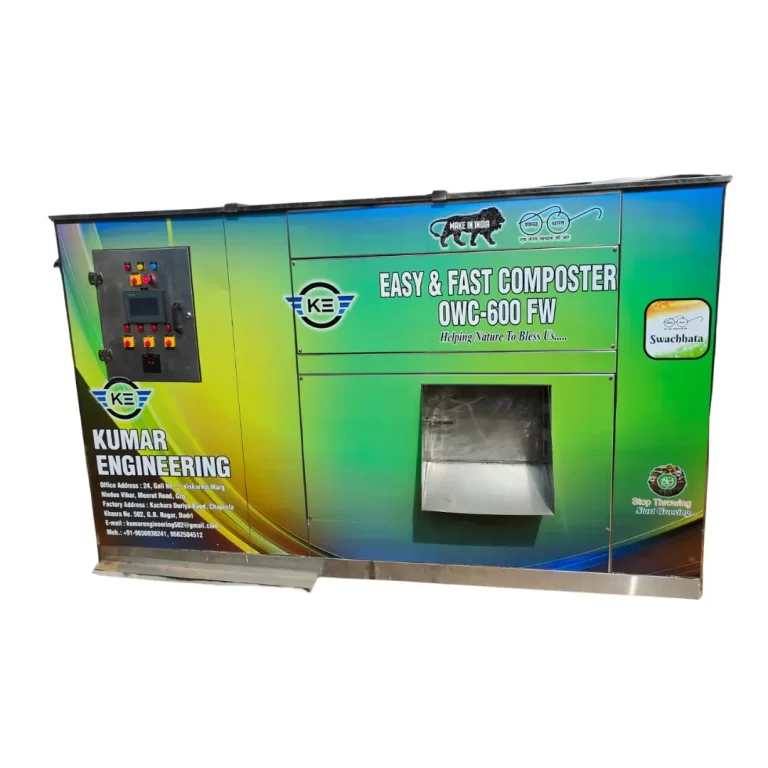
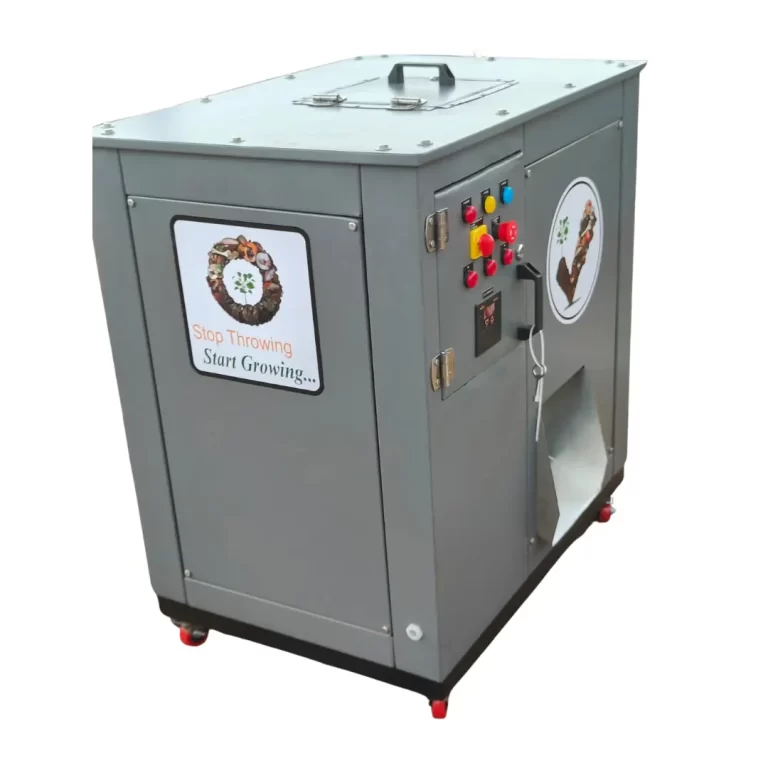
Modern composting machines from Kumar Engineering help:
- Housing societies
- Hotels & restaurants
- Municipal corporations
- Institutions
- Industrial kitchens
- Waste management companies
to efficiently process organic waste on-site and convert it into compost within hours. This reduces transportation needs, landfill dependency, and handling costs.
8. Composting Promotes Circular Economy Practices
A circular economy focuses on reducing waste, reusing resources, and creating sustainable systems. Composting fits perfectly into this model:
- Waste is not discarded
- It is transformed into compost
- Compost enriches soil
- Soil produces new crops
- The cycle continues
This sustainable loop reduces environmental pressure and supports long-term resource conservation.
Conclusion
Composting is one of the simplest yet most impactful ways to protect the environment. It reduces landfill waste, cuts greenhouse gas emissions, enriches soil, supports biodiversity, and promotes sustainable agriculture. With advanced waste composting technologies offered by Kumar Engineering, both small and large-scale users can adopt efficient composting practices and contribute to a cleaner, greener future. We are well known for manufacturing food waste composting machines. We always prioritize quality standards and customers point of views towards our products.
Whether you are a homeowner, an industrial facility, or a municipal body, composting is a powerful step toward sustainability—and the environment will thank you for it. With Kumar Engineering, you can achieve efficiency in your work. Our high efficient and durable machines along with an excellent waste management solution, will make managing waste material a breeze.