Organic waste decomposition is one of the most essential natural processes on Earth. From fallen leaves in forests to leftover food in our kitchens, microorganisms quietly work behind the scenes to break down organic matter and recycle nutrients back into the environment. This microbial activity is the foundation of composting, soil fertility, and sustainable waste management practices.
In today’s world, where waste generation is increasing rapidly, understanding the role of microorganisms has become more important than ever—especially for industries and municipalities seeking efficient eco-friendly solutions. Kumar Engineers, known for their innovative waste management and composting machinery, contribute significantly in supporting these microbial processes through advanced technology.
What Are Microorganisms?
Microorganisms, often called microbes, are tiny living organisms so small that they cannot be seen with the naked eye. They require a microscope to be observed, but despite their microscopic size, they play some of the most important roles in our environment, health, and everyday life.
These organisms exist almost everywhere—in soil, water, air, food, plants, animals, and even inside the human body. Some microorganisms are beneficial and essential for life, while others can cause diseases. Together, they form the invisible foundation of many biological and ecological processes.
- Bacteria
- Fungi
- Actinomycetes
- Protozo
- Algae
Each group plays unique yet interconnected roles in the breakdown and recycling of organic waste. Together, they form a complex biological ecosystem capable of converting waste into valuable resources like compost, humus, and bio-fertilizers.
Waste Decomposer Bacteria Names
Waste decomposer bacteria are microorganisms that break down organic matter such as food scraps, plant residues, and biodegradable waste. Some of the most common and effective waste decomposition bacteria include:
- Bacillus subtilis – Breaks down complex organic materials quickly.
- Bacillus megaterium – Effective in composting and soil nutrient enrichment.
- Lactobacillus spp. – Helps in fermentation and odor control.
- Pseudomonas fluorescens – Decomposes proteins and organic waste efficiently.
- Cellulomonas spp. – Specializes in breaking down cellulose-rich materials.
These bacteria speed up organic waste decomposition, reduce waste volume, and help create nutrient-rich compost naturally. How Microorganisms Decompose Organic Waste
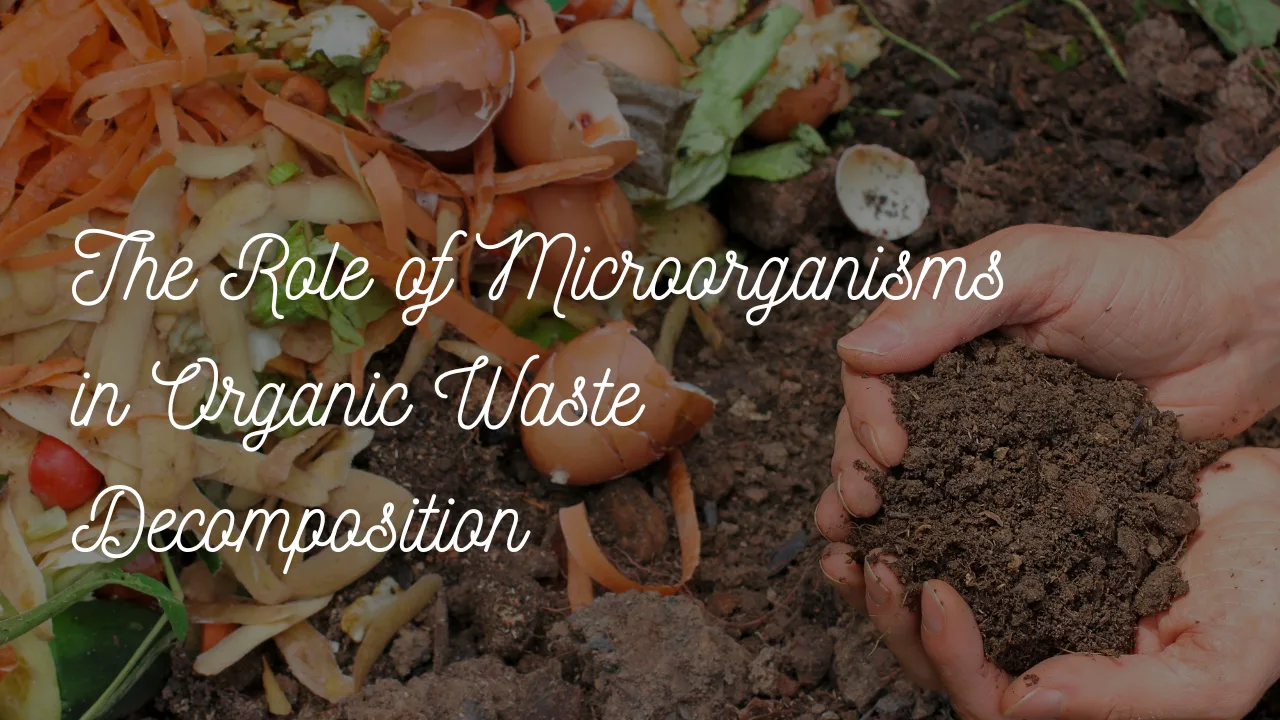
Microorganisms feed on organic materials such as fruit peels, vegetable scraps, plant residues, manure, and other biodegradable substances. The Organic waste decomposition process takes place in several key stages:
1. Fragmentation
Initially, fungi and bacteria start breaking down complex organic materials into smaller particles. Earthworms and insects may help in this phase, creating more surface area for microbes to act upon.
2. Hydrolysis
Microbes release enzymes that convert carbohydrates, proteins, and fats into simpler compounds.
- Cellulose → Simple sugars
- Proteins → Amino acids
- Fats → Fatty acids & glycerol
3. Oxidation
Aerobic bacteria use oxygen to further break down these compounds and produce heat. This stage is crucial in composting, as the temperature rise helps kill pathogens and weed seeds.
4. Humification
Fungi, actinomycetes, and other microorganisms help convert remaining material into humus—a stable, nutrient-rich organic substance essential for soil health.
5. Mineralization
Nutrients like nitrogen, phosphorus, and potassium are released into the soil, completing the recycling loop.
Types of Microorganisms Involved
1. Bacteria – The Primary Decomposers
Bacteria are the most active and abundant organisms in compost. They rapidly break down soft, wet organic materials and generate heat during the composting process.
2. Fungi – Breakers of Tough Materials
Fungi decompose harder, more complex organic matter such as wood, lignin, and cellulose. They are vital when handling dry or fibrous waste.
3. Actinomycetes – Soil Builders
These organisms give mature compost its earthy smell. They break down tough materials like chitin, bark, and paper products.
4. Protozoa & Nematodes – Regulators
They help maintain microbial balance by feeding on bacteria and fungi, preventing overpopulation of a single species.
Why Microbial Decomposition Matters
1. Reduces Waste Volume
Organic waste can reduce by up to 60–70% when microbes break it down efficiently.
2. Produces Nutrient-Rich Compost
Compost enriches soil, improves water retention, and promotes healthier plant growth.
3. Minimizes Landfill Overload
Microbial composting reduces the burden on landfills and lowers methane emissions.
4. Promotes Sustainable Agriculture
Using compost decreases dependence on chemical fertilizers.
5. Contributes to Clean & Green Cities
Proper Ordecomposition helps maintain a hygienic environment by reducing odor and pests.
Factors Affecting Microbial Waste Decomposition
For microorganisms to work effectively, certain conditions must be maintained:
- Moisture (50–60%)
- Adequate oxygen (aeration)
- Balanced carbon-to-nitrogen (C:N) ratio
- Optimal temperature (45–65°C in active composting)
- pH between 6.5–8.0
Waste management systems and machinery help regulate these conditions to speed up decomposition.
Technology Supporting Microbial Activity – Role of Kumar Engineers
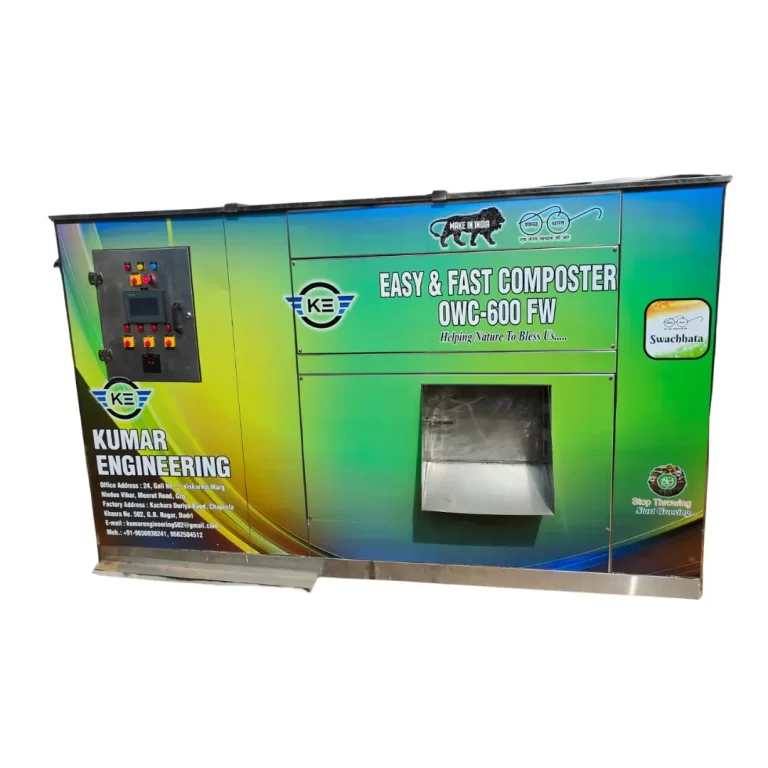
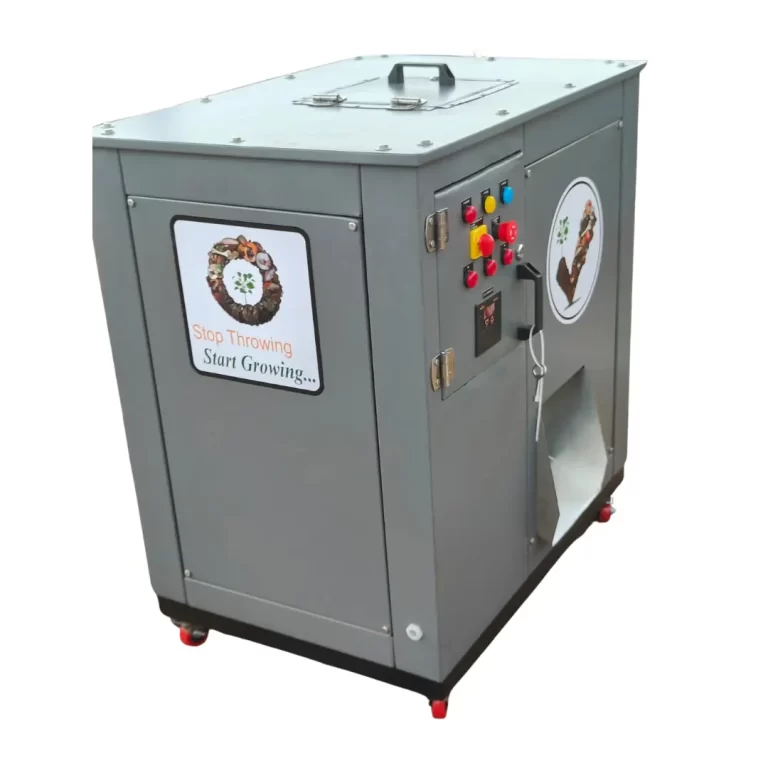
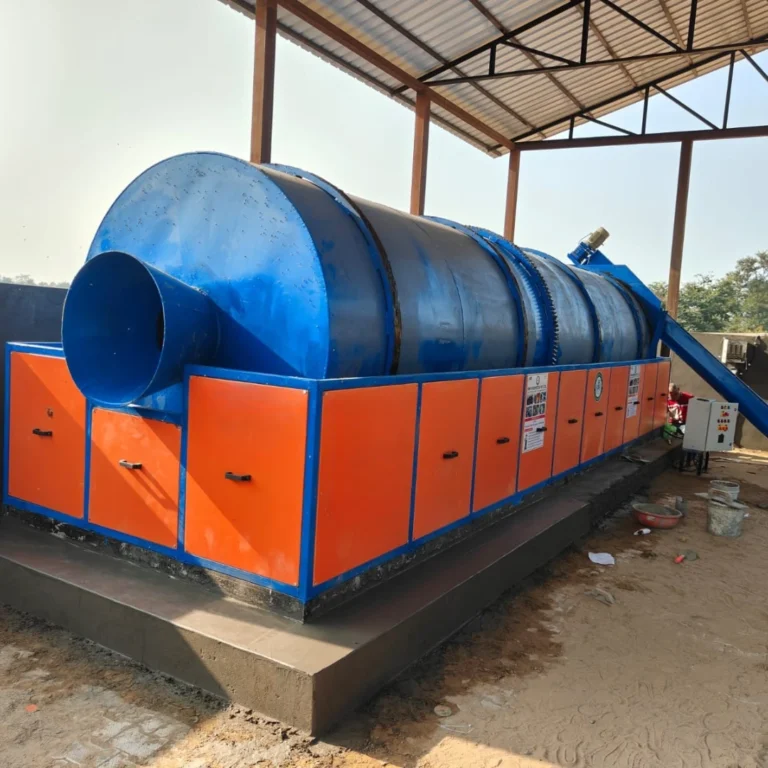
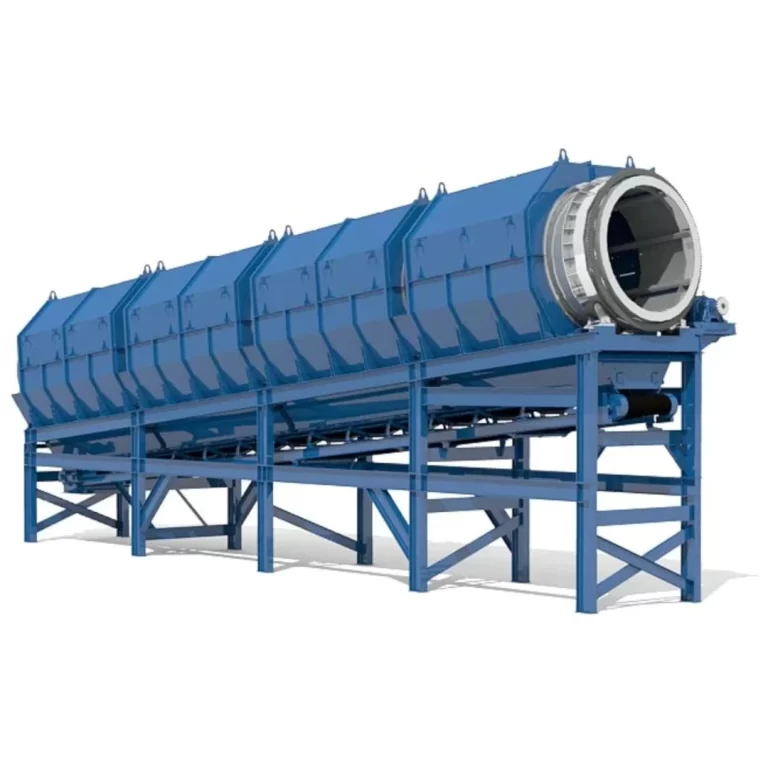
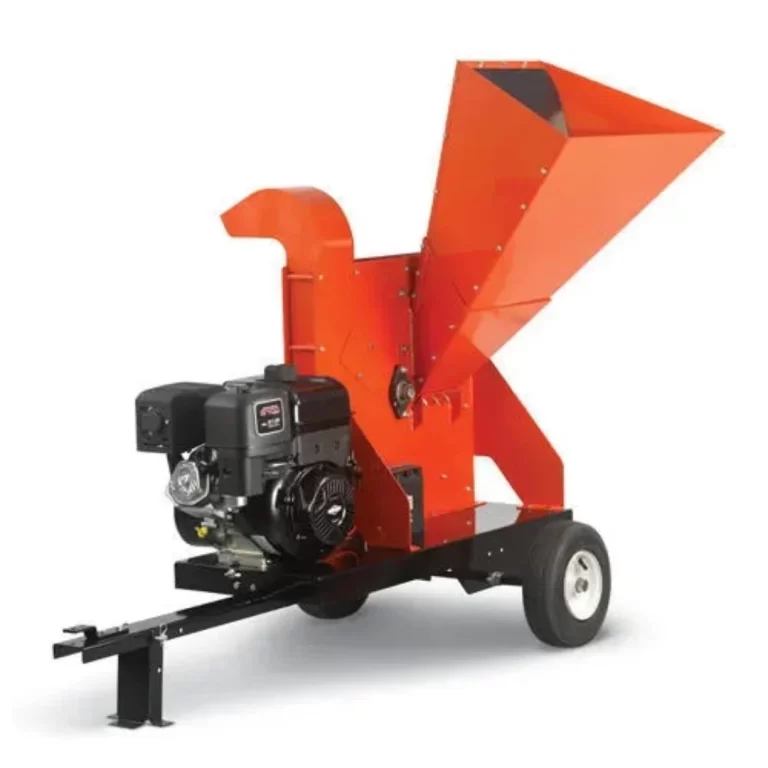
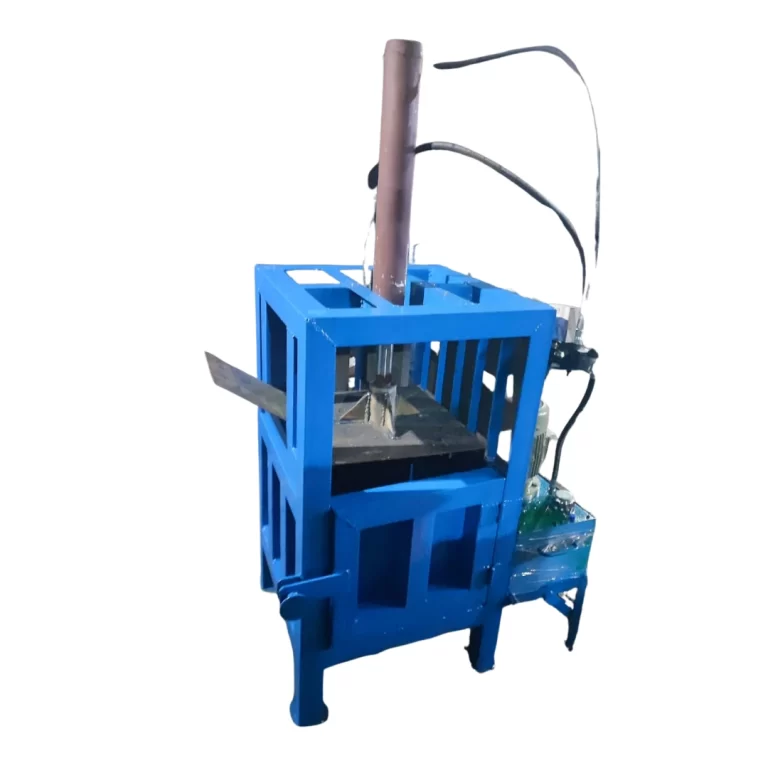
Modern waste management requires both microbial science and mechanical efficiency. Kumar Engineers, a trusted name in Food waste composting machines and eco-friendly waste solutions, designs equipment that creates ideal conditions for microbial activity.
- Proper aeration
- Uniform mixing of waste
- Controlled moisture
- Faster composting cycles
- Reduction in waste volume
- Odor-free operation
By combining scientific principles with robust engineering, Kumar Engineers greatly enhance the natural waste decomposition process, making organic waste management more sustainable for households, institutions, and industries.
Conclusion
Microorganisms are nature’s recyclers—they transform waste into valuable nutrients that support plant growth, restore soil health, and protect the environment. Understanding their role helps us appreciate the power of natural processes and the importance of sustainable waste management.
With advanced composting technologies, the efficiency of microbial decomposition increases significantly, paving the way for greener cities, cleaner surroundings, and a more sustainable future. Kumar Engineering is one of the renowned names as Food waste composting machine manufacturer, providing highly efficient and robust build waste management machines at a very affordable price range.
Microorganisms may be microscopic, but their contribution to waste management is massive—and with modern engineering support, their impact becomes even greater.