
Effective waste management has become one of India’s top environmental priorities as the country faces rising urbanization, industrial growth, and population expansion. To tackle this challenge, the Indian Government has launched several large-scale initiatives to promote recycling, segregation, and sustainable waste processing practices. These initiatives aim to reduce landfill dependency, encourage eco-friendly technologies, and create a cleaner, greener India. Companies like Kumar Engineering, a leading manufacturer of waste management and composting machines, are playing a vital role in supporting these government-driven sustainability efforts.
1. Swachh Bharat Mission (SBM)
Launched in 2014, the Swachh Bharat Mission is India’s flagship cleanliness and sanitation campaign. It focuses on eliminating open defecation, improving solid waste management, and ensuring 100% door-to-door waste collection in cities and rural areas. Under this program, local bodies are encouraged to set up waste segregation systems and composting plants, where advanced equipment is often utilized to process organic waste efficiently.
Key Achievements:
- 100% door-to-door waste collection has been implemented in several cities.
- Thousands of composting plants have been set up to process organic waste.
- Public awareness campaigns have increased citizens’ participation in waste segregation.
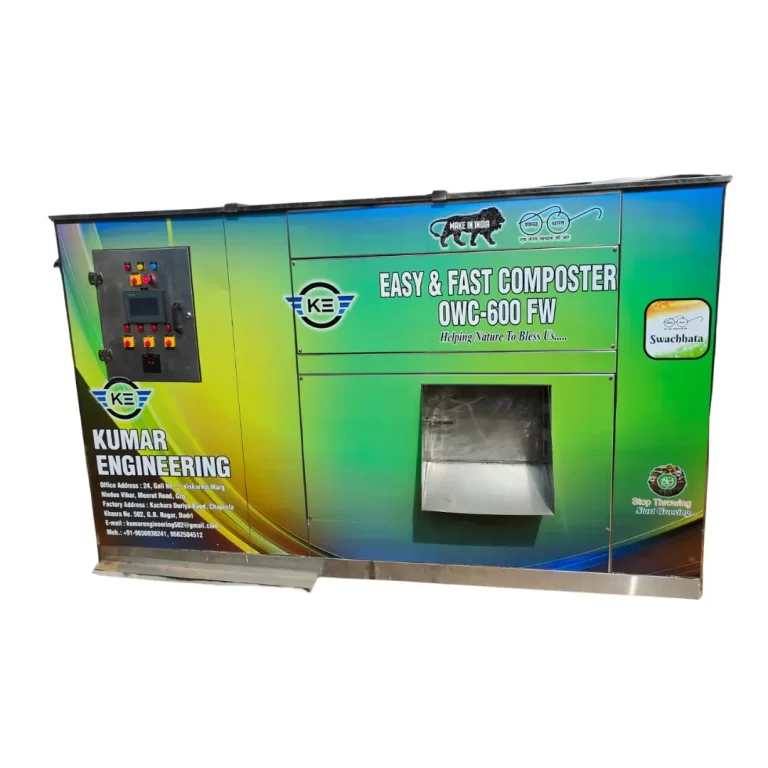
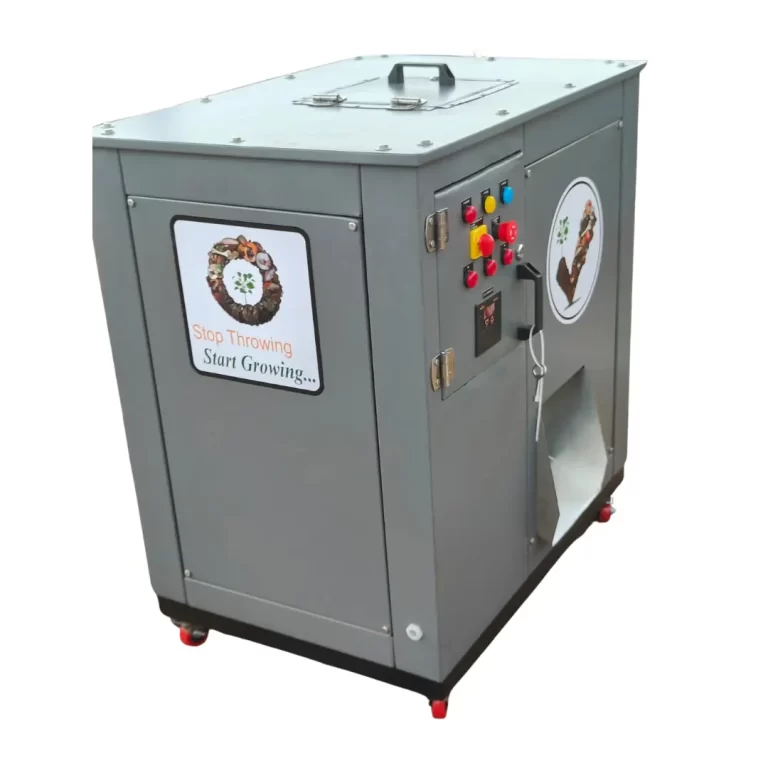
We have supported this mission by supplying advanced food waste composting machines and organic waste processors. Their equipment helps convert organic waste into compost quickly and efficiently, reducing the load on landfills while promoting resource recovery.
2. Solid Waste Management Rules, 2016
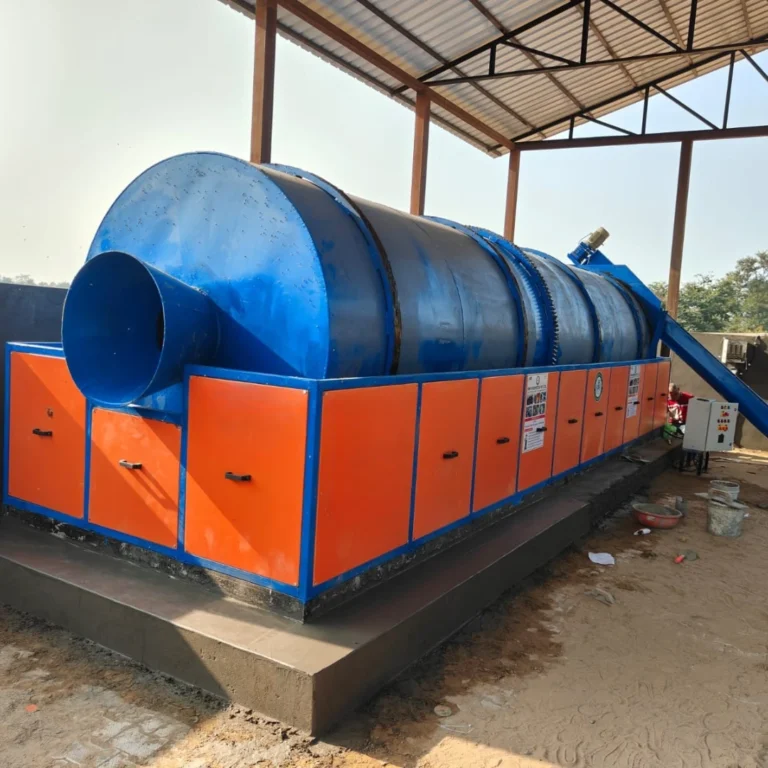
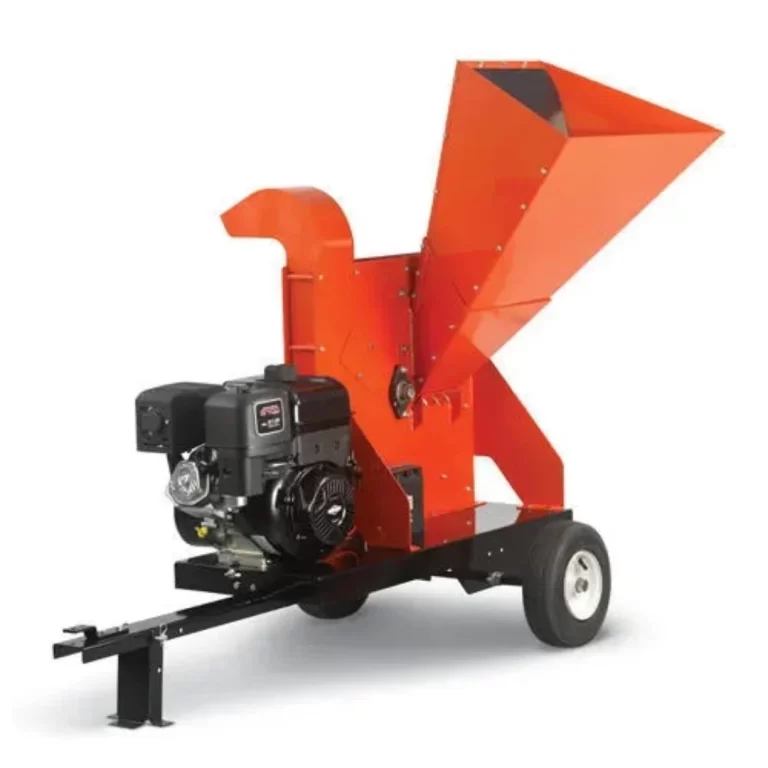
The Solid Waste Management Rules (SWM Rules), 2016, established by the Ministry of Environment, Forest and Climate Change, are a major policy reform. These rules expanded the responsibilities of waste generators, local authorities, and manufacturers. They emphasize waste segregation at source, composting of biodegradable waste, and recycling of plastics and metals. The initiative also encourages industries to adopt modern waste processing technologies, where Kumar Engineering’s composting and mix waste shredding machines help achieve compliance and efficiency.
Salient Features of the SWM Rules, 2016:
- Segregation at source: Every waste generator must separate waste into three categories—biodegradable, recyclable, and hazardous.
- Composting and Biomethanation: Organic waste should be processed through composting or energy recovery.
- Extended accountability: Bulk generators must manage their waste in-house.
- Decentralized waste management: Local bodies are encouraged to set up small-scale waste processing units within city limits.
This legal framework empowers both citizens and industries to manage waste responsibly. Many institutions have partnered with Kumar Engineering to install organic composting units and shredding machines to comply with these regulations.
3. Plastic Waste Management (PWM) Rules, 2016 & 2022 Amendment
Plastic pollution is one of India’s biggest environmental challenges. To combat this, the Plastic Waste Management Rules were introduced, promoting recycling, extended producer responsibility (EPR), and phasing out single-use plastics. The 2022 Amendment further tightened restrictions on plastic production and use. Manufacturers and municipal corporations are now investing in plastic waste shredders and recycling systems, where Kumar Engineering provides advanced and reliable machinery to support eco-friendly plastic waste management.
Key Objectives:
- Ban on single-use plastics such as straws, cutlery, and packaging.
- Extended Producer Responsibility (EPR): Manufacturers and brand owners must collect and recycle a certain percentage of the plastic they produce.
- Promotion of recycling industries through public-private partnerships.
- Encouraging alternatives like biodegradable and compostable materials.
The 2022 amendment specifically focused on eliminating non-recyclable and multilayered plastics, ensuring that producers bear the cost of managing the waste they generate.
Industries and municipal corporations are investing in plastic waste shredders and recycling systems. We have a wide range of durable, energy-efficient shredding and segregation machines that allow plastics to be processed for reuse or recycling.
4. Waste to Energy (WtE) Projects
The Indian Government has been promoting Waste-to-Energy projects under the Swachh Bharat Mission and the Smart Cities Mission. These projects aim to convert municipal solid waste into electricity, heat, or fuel, minimizing the volume of waste sent to landfills. With advanced technology and government incentives, cities like Delhi, Hyderabad, and Pune have established functional WtE plants. Kumar Engineering contributes to this mission by offering industrial waste processing and segregation equipment that prepare waste for energy conversion efficiently.
Government Focus Areas:
- Promotion of biogas and biomethanation plants for organic waste.
- Financial incentives for WtE projects.
- Technical support and standardization for municipal bodies.
- Integration of waste segregation at the source to improve efficiency.
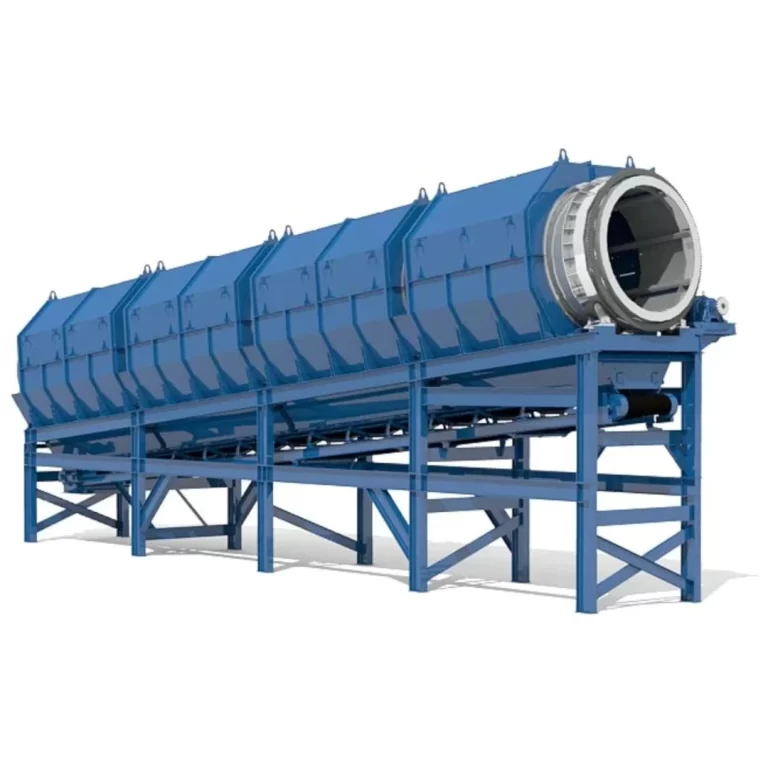
Industrial waste segregation machines, organic waste composters, and processing systems that prepare waste for energy conversion. Our equipment ensures that only suitable waste streams reach the WtE plants, improving energy yield and plant efficiency.
5. Extended Producer Responsibility (EPR) Policy
The EPR policy holds producers accountable for managing the waste generated by their products throughout the product lifecycle. It ensures that companies take responsibility for collection, recycling, and safe disposal of post-consumer waste, especially plastics, batteries, and e-waste. This system promotes circular economy practices and encourages the use of sustainable materials.
EPR ensures that industries play an active role in minimizing waste and investing in recycling infrastructure. To aid industries in meeting EPR targets, Kumar Engineering designs specialized machines for organic waste composting, segregation, and recycling, supporting businesses in maintaining environmental compliance.
Reliable Waste Management Equipment Manufacturer
India’s waste management transformation is a collective effort involving government policy, industrial innovation, and public participation. Initiatives like the Swachh Bharat Mission, Solid Waste Management Rules, and Waste-to-Energy programs have set a strong foundation for a cleaner and more sustainable future. Kumar Engineering providing advanced waste management and composting solutions, India is steadily moving toward achieving zero landfill and promoting a circular economy.
By integrating smart waste management technologies and supporting government policies, We continue to empower cities, industries, and communities to handle waste responsibly—creating a cleaner, greener, and healthier India.