Modern waste management relies heavily on advanced Waste management machinery to handle increasing volumes of industrial, municipal, and recyclable waste efficiently. Waste management equipment not only reduces environmental impact but also improves operational efficiency and safety. Below are five waste management machine widely used in modern waste management systems.
In this blog, we will tell you about five essential types of machines used in modern waste management and how they help in efficient waste handling, recycling, and disposal.
5 Waste Management Machine
There are lots of options available as a waste disposal machine, through which we can efficiently manage waste or scraps or take steps to protect the environment. Here we will tell you about 5 efficient waste management machinery, how they work, and why they are important.
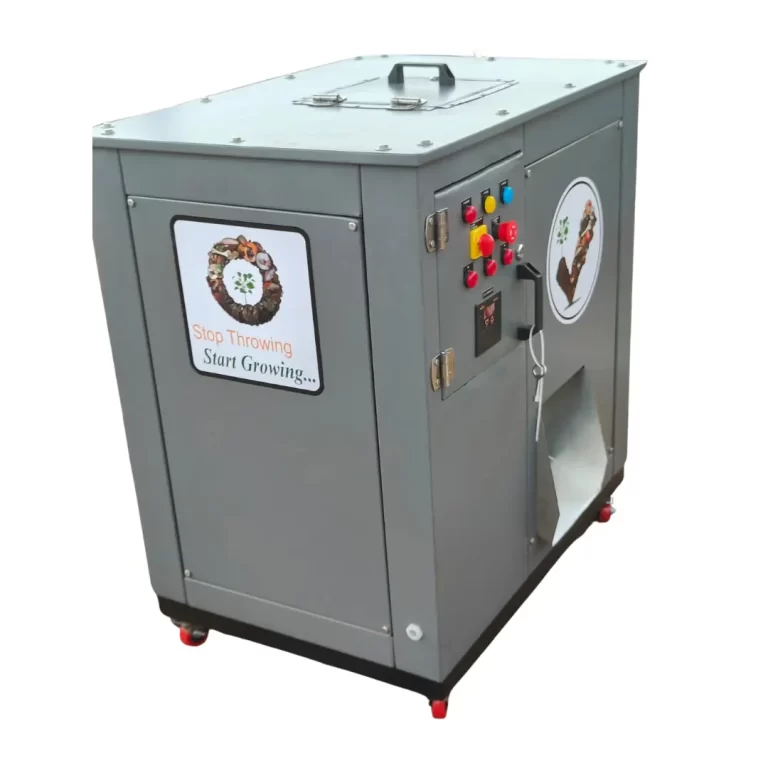
1. Composting Machine
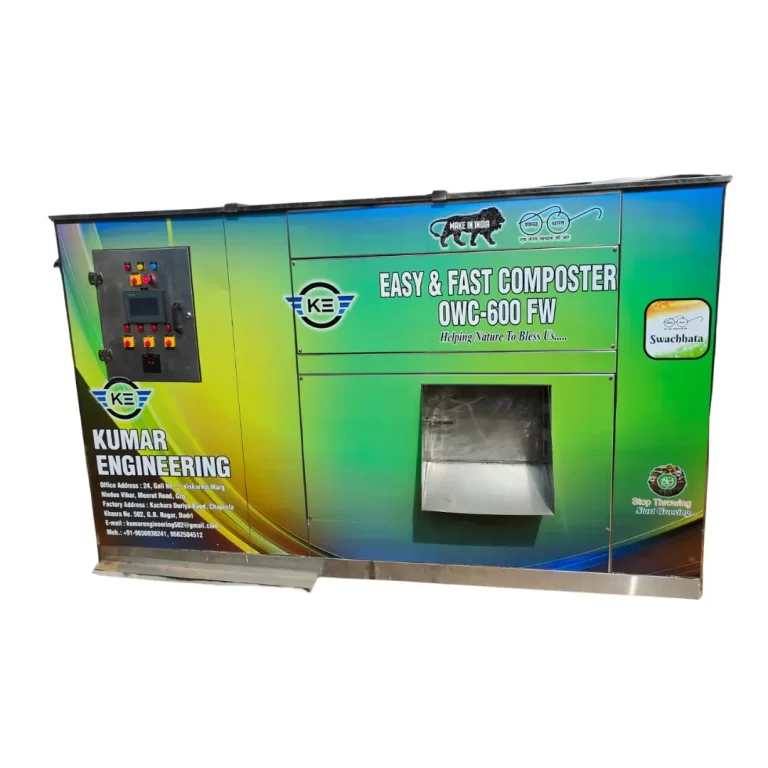
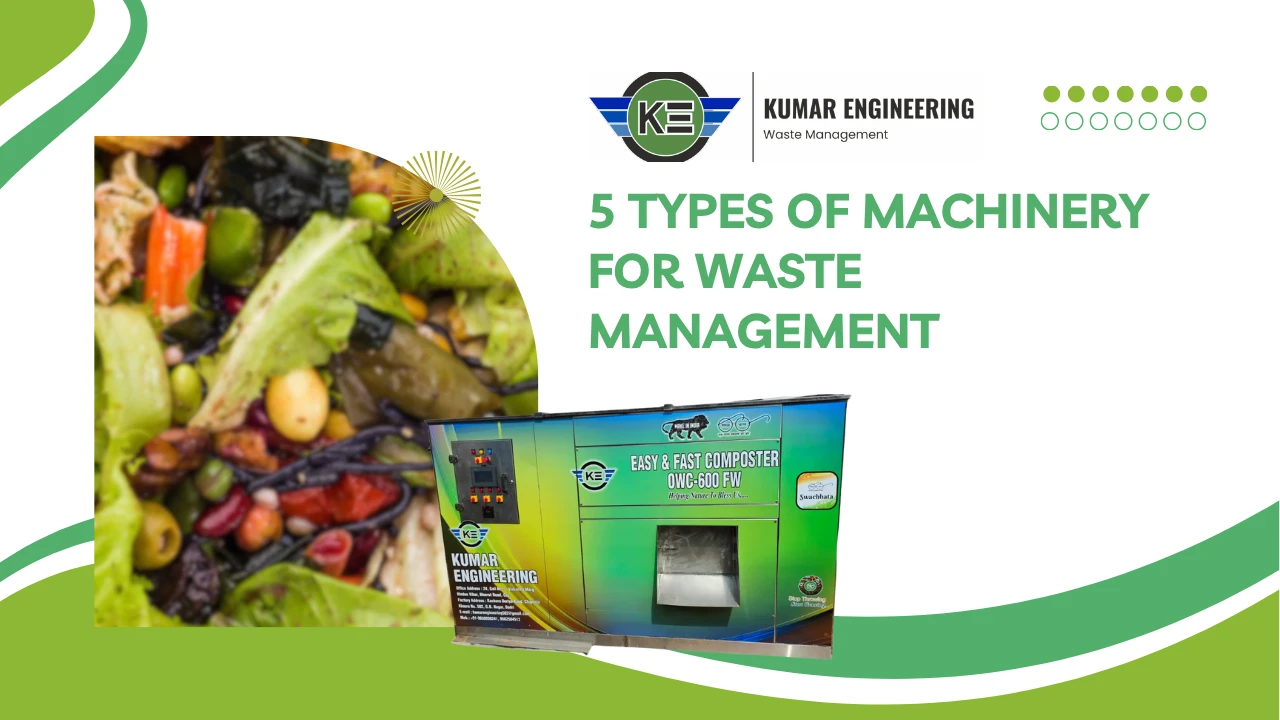
A compost machine is designed to convert organic waste such as food scraps, vegetable waste, garden waste, and biodegradable materials into nutrient-rich compost. This machine speeds up the natural composting process by controlling temperature, moisture, and aeration, making waste treatment faster and more efficient than traditional methods.
Compost machines help reduce the amount of organic waste sent to landfills, minimize foul odors, and support eco-friendly waste management practices. They are widely used in residential societies, hotels, restaurants, food processing units, and municipal waste facilities.
2. Food Waste Composter
A food waste composter is an efficient machine designed to process kitchen and food waste such as leftover food, vegetable peels, fruit waste, and cooked food into organic compost. It accelerates the natural decomposition process through controlled mixing, aeration, and temperature, significantly reducing waste volume within a short time.
Food waste composters help minimize Waste disposal, reduce foul odors, and lower greenhouse gas emissions.
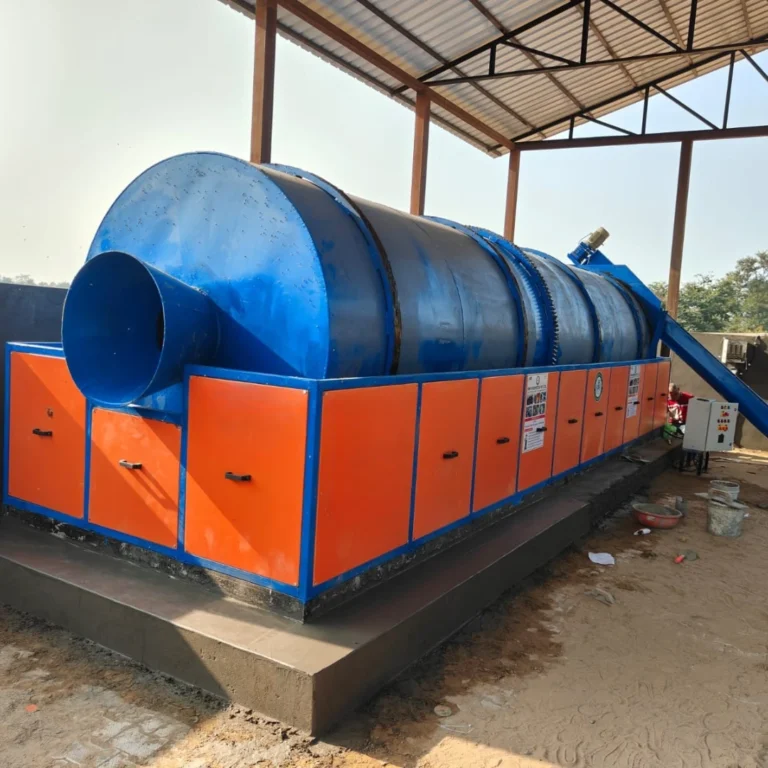
3. Aerated Static Pile Composting System
An Aerated Static Pile (ASP) Composting System is an advanced composting method used to treat large volumes of organic waste efficiently. This waste management product works by arranging organic waste in piles over a network of perforated pipes that provide controlled airflow, eliminating the need for frequent mechanical turning.
Aerated Static Pile Composting maintains optimal oxygen levels, temperature, and moisture, which accelerates the composting process and reduces odors. Aerated static pile composting process is widely used for processing food waste, agricultural residue, green waste, and municipal organic waste.
This system offers faster composting, lower labor requirements, and improved process control compared to traditional composting methods. By producing high-quality, stable compost, the Aerated Static Pile Composting System supports sustainable waste management and environmentally responsible operations.
Advantages of Aerated Static Pile Composting System
- Eliminates the need for frequent mechanical turning, reducing labor and operational costs
- Controlled airflow ensures faster and more uniform composting
- Minimizes odor generation and pest issues
- Handles large volumes of organic waste efficiently
- Improves process control for temperature and moisture
- Produces high-quality, stable compost
- Environment-friendly method with lower energy consumption
Applications of Aerated Static Pile Composting System
- Food and organic waste processing
- Municipal solid waste management
- Agricultural waste and crop residue composting
- Garden and green waste treatment
- Large housing societies and townships
- Industrial canteens and institutional waste management
4. Sanitary Waste Incinerator
A sanitary waste incinerator is a high-temperature waste treatment system used for the safe and hygienic disposal of various types of waste through controlled combustion. It includes medical waste incinerators for hospitals and healthcare facilities to destroy infectious and pathological waste, trash incinerators for municipal and commercial waste to reduce landfill load, and industrial incinerators for handling large volumes of hazardous and non-hazardous industrial waste. These incinerators effectively reduce waste volume, eliminate harmful pathogens and toxic substances, and ensure environmentally responsible disposal while meeting regulatory and safety standards.
5. High-Throughput Dewatering Devices
High-throughput dewatering devices are advanced waste management machines designed to efficiently remove excess water from sludge, slurry, and wet waste materials. These devices play a critical role in reducing waste volume and weight, making handling, transportation, and disposal more cost-effective. By separating liquids from solids at high processing rates, they help improve overall plant efficiency and lower operational costs.
Commonly used in municipal wastewater treatment plants, industrial effluent treatment facilities, and food processing units, high-throughput dewatering devices support cleaner operations and better resource recovery. Their robust design, continuous operation capability, and high efficiency make them an essential solution for modern waste and sludge management systems.
How to choose the right Waste Management Equipment
To choose suitable waste management equipment, first identify the type and quantity of waste you generate. Select a waste disposal machine based on the required treatment method such as recycling, composting, incineration, or dewatering. Consider available space, energy efficiency, and ease of operation, and ensure the machine complies with environmental regulations.
- Identify the type of waste (organic, plastic, medical, industrial, etc.)
- Estimate the daily waste volume and capacity requirement
- Choose the right waste treatment method (recycling, composting, incineration, dewatering)
- Check space availability and installation needs
- Ensure compliance with environmental and safety regulations
- Consider energy efficiency and operating cost
- Look for easy operation and low maintenance
- Select a reliable manufacturer with strong after-sales support
Conclusion:
The use of advanced machinery has transformed modern waste management into a more efficient, eco-friendly, and cost-effective process. From shredding and baling to sorting and composting, each machine plays a vital role in managing waste responsibly. Kumar Engineering is committed to providing reliable, high-quality waste management machinery designed to meet the evolving needs of industries and municipalities.
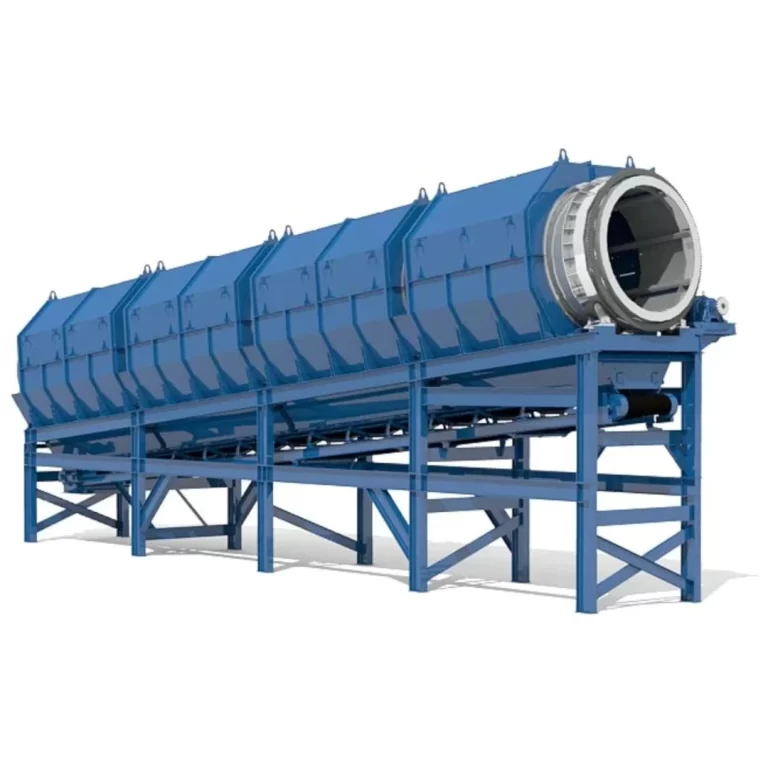
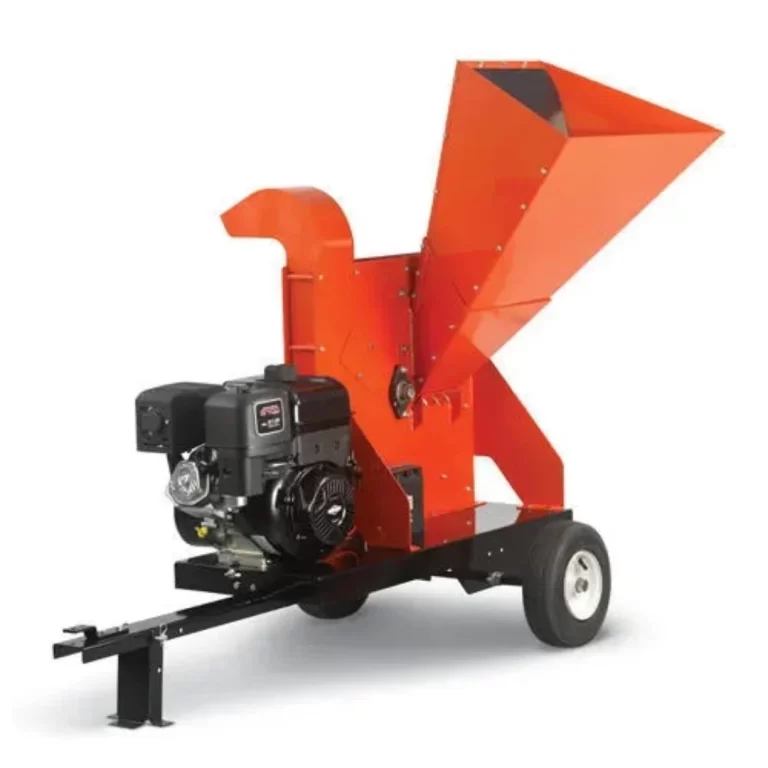
As a leading Food waste composting machine manufacturer, we ensure that our machine is efficient in their operational application. We provide a broad range of waste management machinery according to the desired needs of various industries. Trommel Screen Machine, Wood Chipper Machine, Baling Machine etc. Hopefully our blog will help you choose efficient machinery for waste management