Hospitals and healthcare facilities generate large amounts of waste every day, including biomedical waste, food waste, plastic waste, paper waste, and other hazardous materials. Proper hospital waste disposal is essential to prevent infections, protect healthcare workers, maintain hygiene, and safeguard the environment. Effective Waste Management in Hospital practices help healthcare institutions comply with regulations while ensuring a safer environment for patients and staff.
Understanding Hospital Waste
For effective hospital waste management, it is important to understand the different types of waste generated in healthcare facilities. Proper waste segregation and disposal help maintain safety, hygiene, and environmental protection.
- Biomedical Waste: Used syringes, bandages, gloves, and contaminated materials.
- General Waste: Paper, cardboard, packaging materials, and office waste.
- Food Waste: Leftover food from hospital kitchens and cafeterias.
- Plastic Waste: Bottles, containers, and disposable packaging.
- Chemical Waste: Laboratory chemicals and disinfectants.
- Sharps Waste: Needles, scalpels, and other sharp medical instruments.
How to Dispose of Hospital Waste?
1. Segregate Waste Using Color-Coded Bins
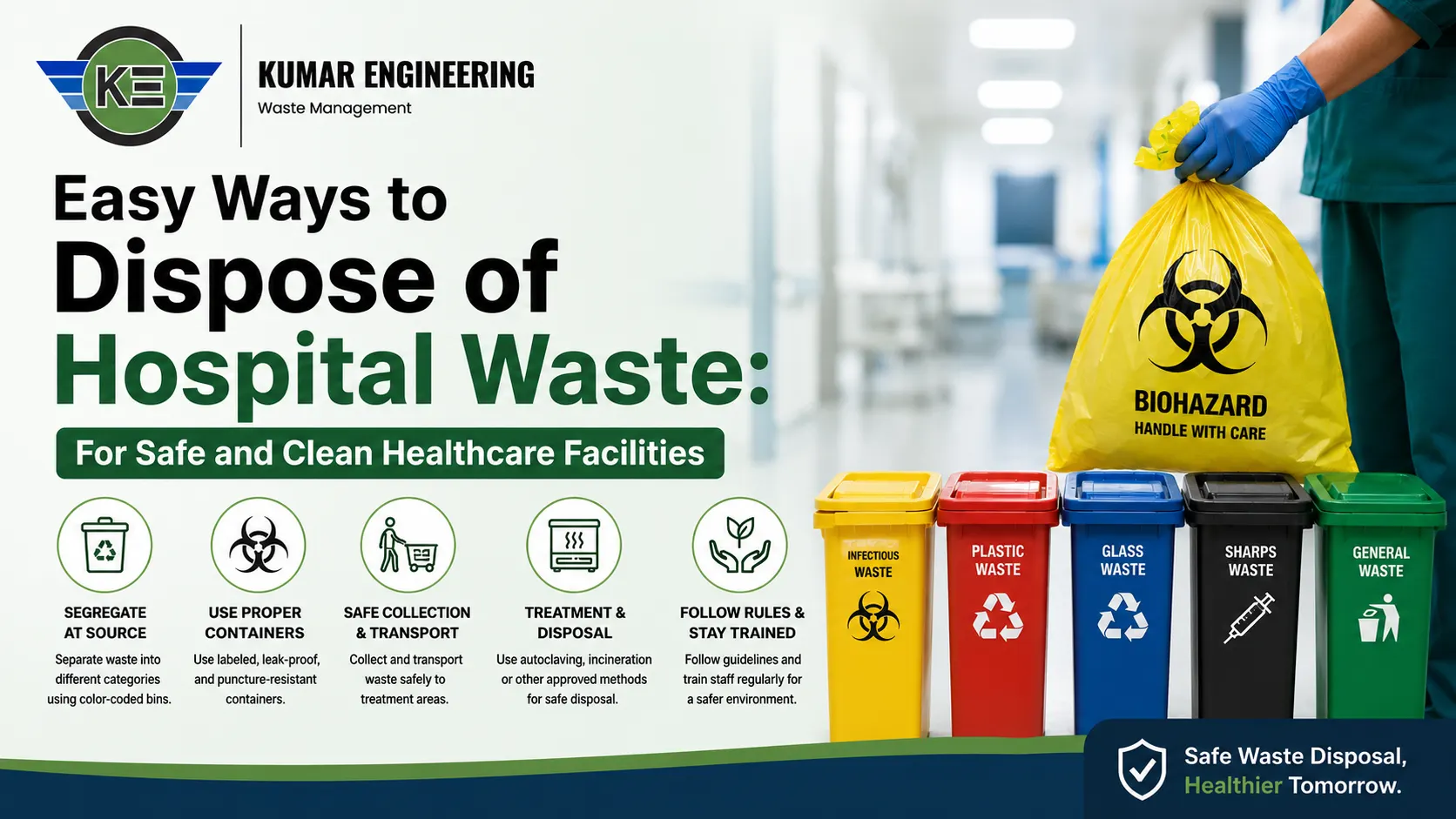
The first and most important step in hospital waste management is waste segregation at the source. Different colored bins are used for different types of waste:
- Yellow Bin – Human tissues, soiled dressings, bandages, pathological waste, and expired medicines.
- Red Bin – Contaminated recyclable items such as IV tubes, catheters, syringes without needles, and gloves.
- White Bin (Translucent Container) – Sharps waste including needles, scalpels, blades, and other metal sharps.
- Blue Bin – Glass bottles, ampoules, medicine vials, and broken glassware.
- Green Bin – Biodegradable waste such as food scraps and garden waste.
- Black Bin – General non-hazardous waste such as paper, packaging materials, and office waste.
2. Steam Treatment (Autoclaving)
Hospital waste contaminated with bacteria and viruses can be sterilized using an autoclave. High-pressure steam destroys harmful microorganisms, making the waste safer for disposal.
3. Incineration
Incineration involves burning biomedical waste at very high temperatures. It is commonly used for pathological waste, soiled materials, and expired pharmaceuticals that cannot be recycled.
4. Microwave Treatment
Microwave technology uses heat to disinfect infectious waste. This method effectively destroys pathogens without generating harmful emissions.
5. Chemical Disinfection
Liquid medical waste such as blood, laboratory waste, and body fluids can be treated using disinfectants and chemicals before safe disposal.
6. Encapsulation
Sharps, pharmaceuticals, and certain hazardous materials are sealed in containers with cement or similar materials to prevent leakage and environmental contamination.
7. Composting Organic Waste
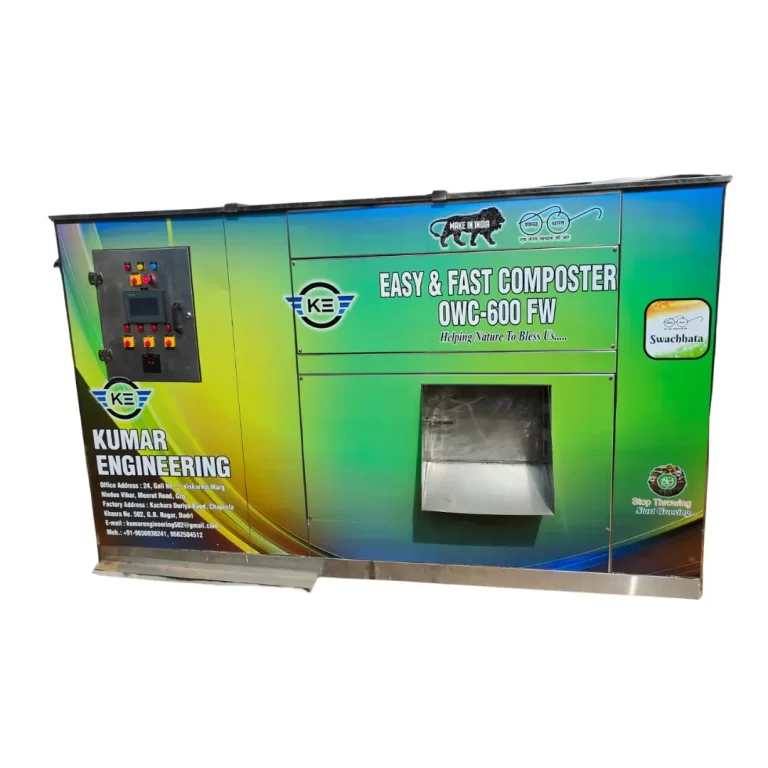
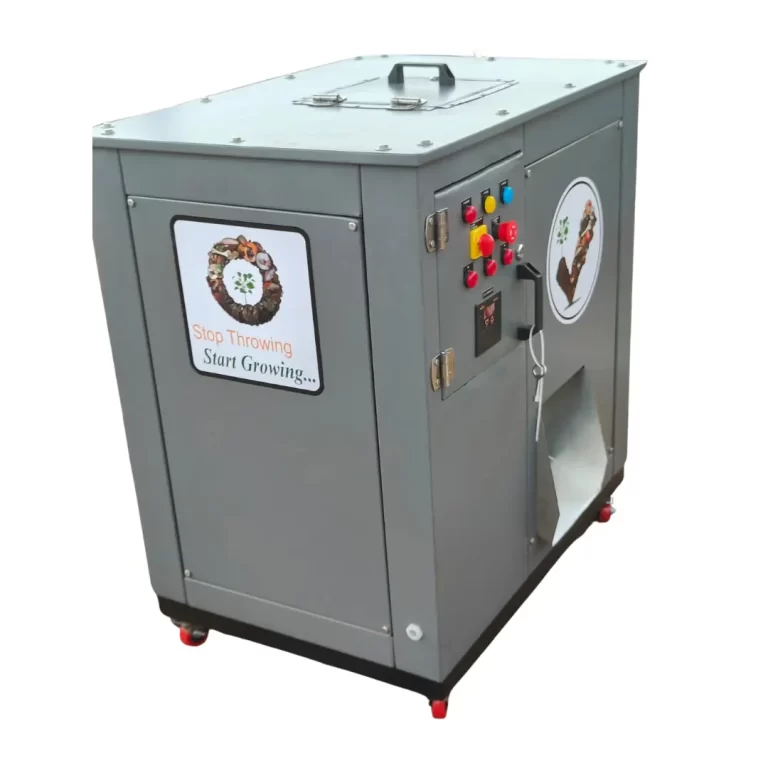
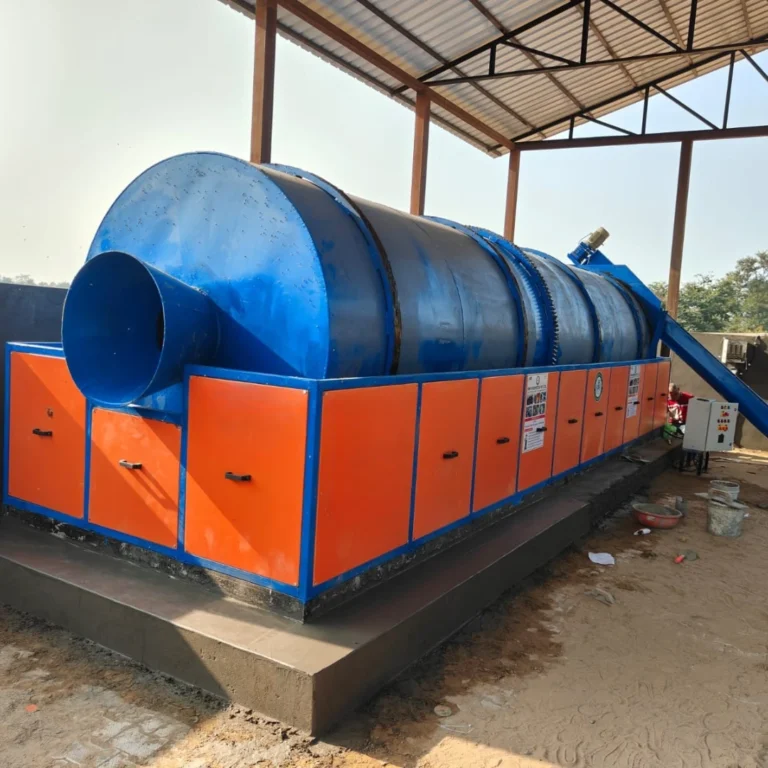
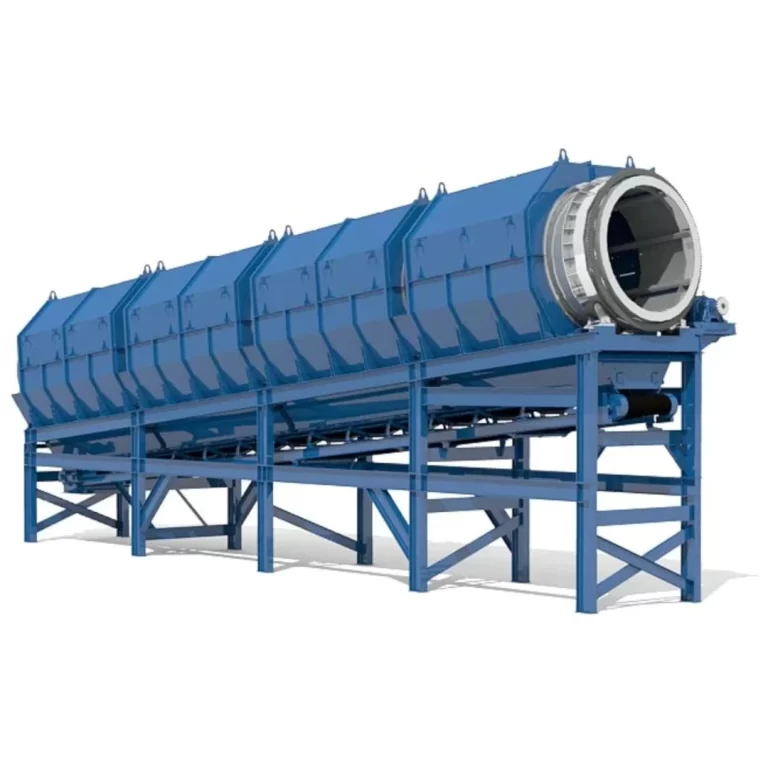
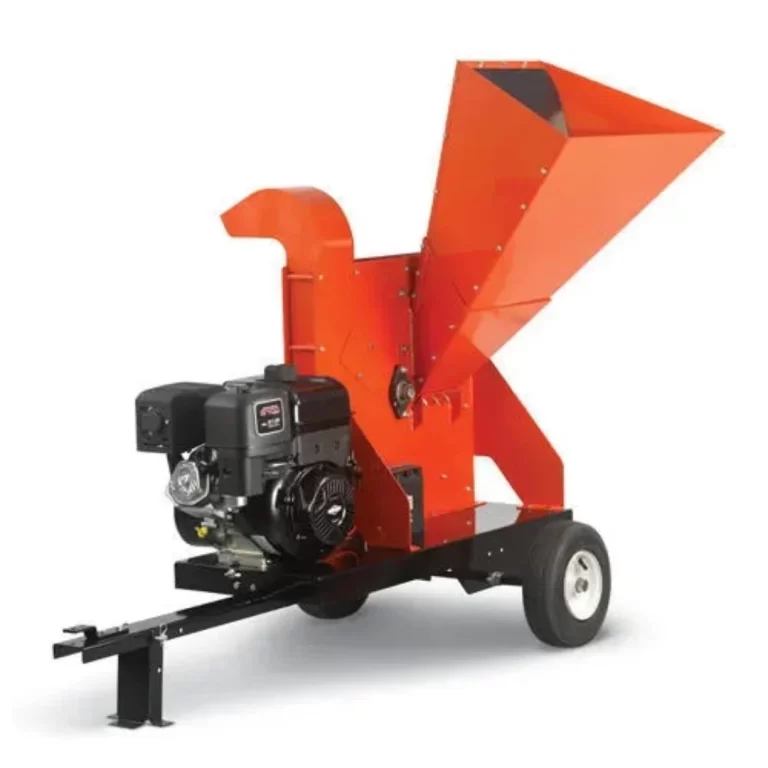
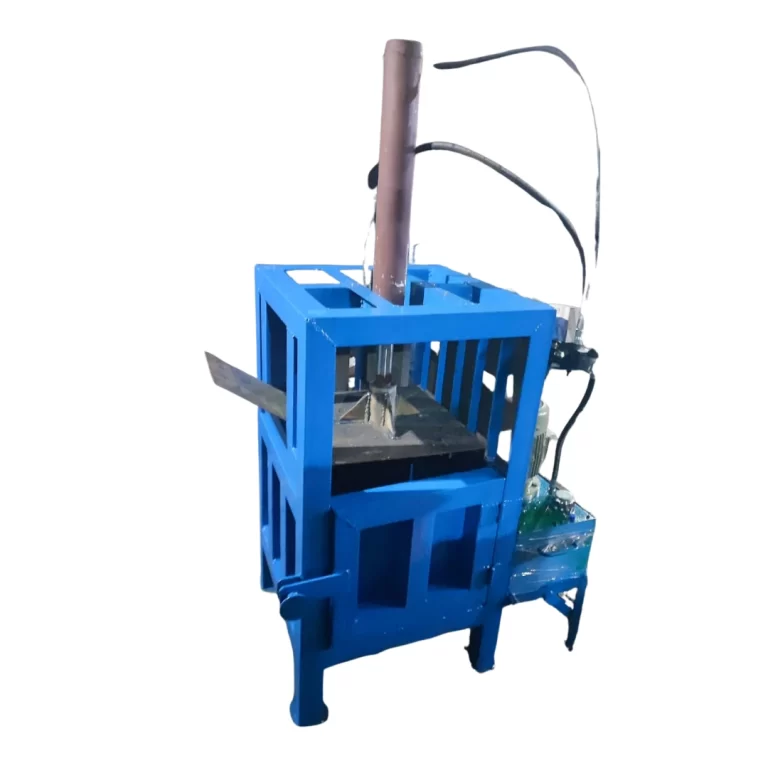
Hospitals generate a significant amount of food and biodegradable waste from kitchens and cafeterias. Composting machines convert this waste into nutrient-rich compost, reducing landfill waste. Kumar Engineering, a leading waste composting machine manufacturer, provides advanced composting solutions for efficient organic waste management.
8. Safe Landfill Disposal
After treatment, non-hazardous and non-recyclable waste can be disposed of in sanitary landfills designed to prevent soil and groundwater pollution.
9. Plasma Gasification
Plasma gasification is an advanced waste treatment technology that uses extremely high temperatures to convert waste into energy and inert by-products. It significantly reduces waste volume and environmental impact.
Best Practices for Hospital Waste Management
Effective hospital waste management is essential for maintaining a safe, hygienic, and environmentally responsible healthcare facility. By following best practices, hospitals can reduce infection risks, improve operational efficiency, and ensure compliance with biomedical waste management regulations.
1. Segregate Waste at the Source
Waste should be separated immediately where it is generated using color-coded bins. Proper segregation prevents contamination, simplifies treatment processes, and reduces disposal costs.
2. Train Healthcare Staff Regularly
Doctors, nurses, housekeeping staff, and waste handlers should receive regular training on waste segregation, handling, storage, and disposal procedures. Well-trained staff help minimize errors and safety risks.
3. Use Personal Protective Equipment (PPE)
Healthcare workers involved in waste handling should wear gloves, masks, aprons, and other protective equipment to prevent exposure to infectious materials and hazardous substances.
4. Ensure Proper Collection and Storage
Hospital waste should be collected regularly and stored in designated areas before treatment or disposal. Storage areas should be secure, clearly marked, and inaccessible to unauthorized persons.
5. Adopt Safe Treatment Methods
Biomedical waste should be treated using approved methods such as autoclaving, incineration, microwave treatment, or chemical disinfection to eliminate harmful microorganisms.
6. Manage Organic Waste Sustainably
Hospitals generate considerable amounts of food and biodegradable waste from kitchens and cafeterias. Composting this waste helps reduce landfill burden and supports sustainable waste management. Kumar Engineering, a leading waste composting machine manufacturer, provides advanced composting solutions that convert organic waste into nutrient-rich compost efficiently.
7. Promote Recycling Practices
Recyclable materials such as paper, cardboard, plastics, and glass should be separated and sent to authorized recycling facilities whenever possible. Recycling reduces environmental impact and conserves resources.
8. Follow Biomedical Waste Regulations
Hospitals must adhere to all applicable biomedical waste management rules regarding collection, transportation, treatment, and disposal to maintain legal compliance and public safety.
By implementing these best practices, hospitals can create a safer healthcare environment, improve operational efficiency, and contribute to a cleaner and healthier community.
Benefits of Proper Hospital Waste Disposal
Improved Infection Control
Proper disposal of infectious waste reduces the spread of diseases and protects healthcare workers, patients, and visitors.
Environmental Protection
Responsible waste management minimizes pollution, reduces landfill burden, and promotes sustainable practices.
Regulatory Compliance
Hospitals can avoid penalties and maintain compliance with government regulations by implementing effective waste management systems.
Cost Savings
Recycling and composting initiatives help reduce waste disposal expenses while generating useful by-products such as compost.
Enhanced Hospital Reputation
Hospitals that prioritize environmental responsibility and cleanliness build greater trust among patients and the community.
Challenges in Hospital Waste Disposal
- Lack of Awareness – Some healthcare workers may not be fully trained in proper waste segregation and disposal procedures, leading to mistakes in waste handling.
- High Volume of Waste – Hospitals generate large quantities of medical, organic, and general waste every day, making management challenging.
- Risk of Infections – Improper handling of biomedical waste can expose healthcare workers, patients, and waste handlers to harmful infections.
- Limited Facilities – Some hospitals do not have access to modern waste treatment equipment such as autoclaves, incinerators, or composting machines.
- Environmental Concerns – Incorrect disposal methods can pollute air, water, and soil, posing risks to public health and the environment.
- High Disposal Costs – Safe treatment and disposal of medical waste require specialized equipment and infrastructure, which can be expensive.
- Managing Organic Waste – Food waste from hospital kitchens can accumulate quickly if not properly managed through composting or recycling methods.
- Strict Regulations – Hospitals must comply with biomedical waste management rules and environmental regulations, which require continuous monitoring and proper documentation.
Role of Waste Composting Machines for Waste Management in Hospitals
Organic waste constitutes a significant portion of hospital waste. Advanced composting machines provide an eco-friendly solution by converting food scraps and biodegradable waste into compost within a short period. These systems reduce waste transportation costs, lower greenhouse gas emissions, and support sustainable waste management goals.
As a leading Organic waste composting machine manufacturer, Kumar Engineering offers reliable and high-performance composting solutions designed for hospitals, healthcare institutions, commercial facilities, and municipal waste management projects.
Conclusion
Effective hospital waste disposal is essential for maintaining a safe, hygienic, and environmentally responsible healthcare facility. By implementing proper segregation, recycling programs, staff training, and modern composting technologies, hospitals can significantly improve their waste management practices. With innovative solutions from Kumar Engineering, healthcare facilities can efficiently manage organic waste while contributing to a cleaner and greener future.