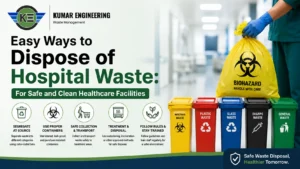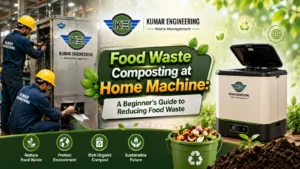
Waste management is essential for today’s rapidly growing waste generation due to urbanization, industrialization, and changing lifestyles. Without proper waste management, waste can accumulate in landfills, pollute the environment, and pose serious health risks. Effective waste management helps reduce pollution, conserve resources, and create cleaner and healthier communities.
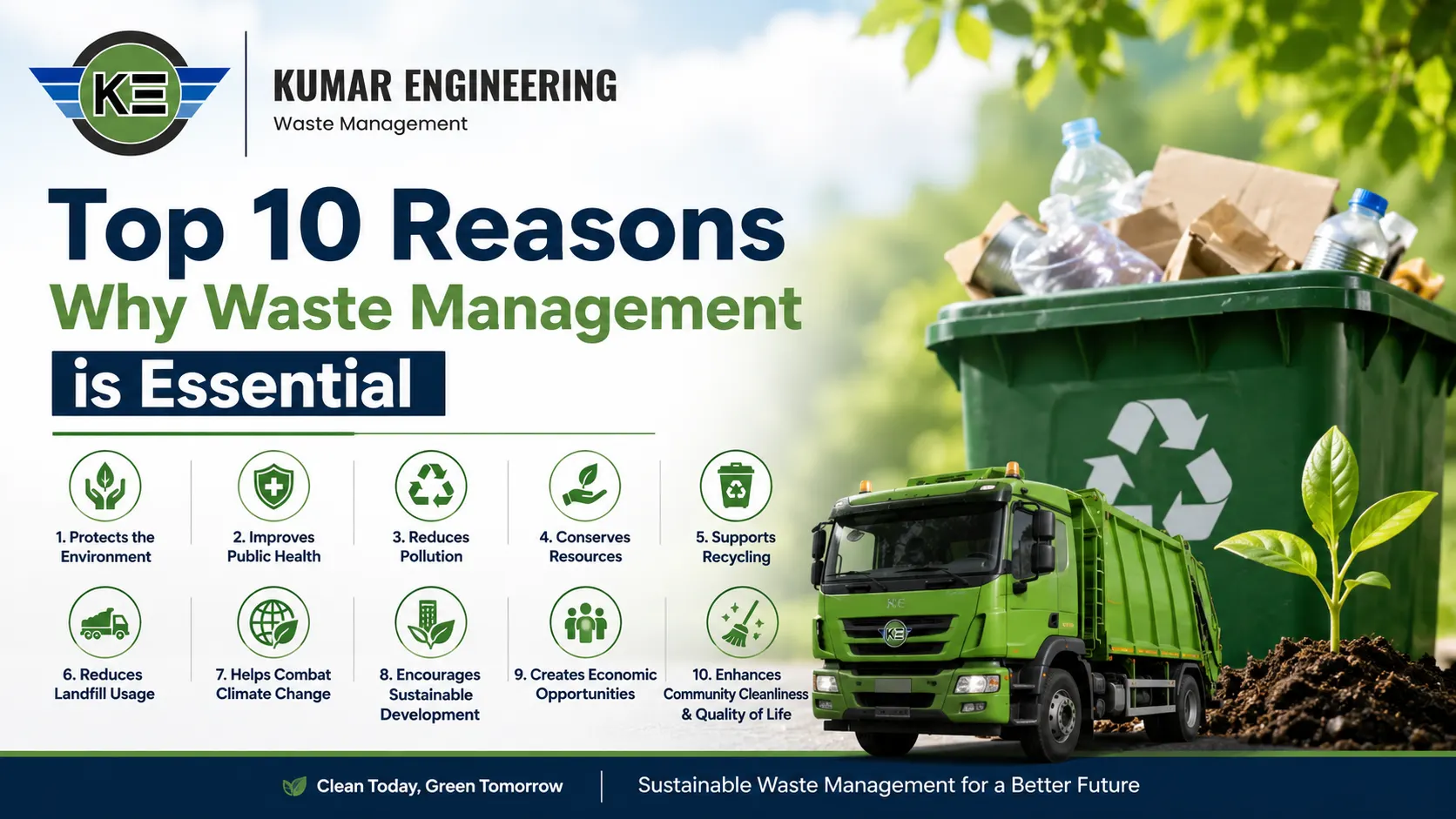
From households and commercial establishments to industries and municipalities, proper waste management has become a necessity for sustainable development. Let’s explore the top 10 reasons why waste management is essential.
Importance of Waste Management
1. Protects the Environment
Proper waste management prevents waste from being dumped in open areas, rivers, lakes, and oceans. This reduces land, water, and air pollution, helping to protect ecosystems and biodiversity.
2. Improves Public Health
Improper waste disposal can attract pests, insects, and disease-causing microorganisms. Effective waste management minimizes health risks and helps create safer living conditions for communities.
3. Reduces Pollution
Segregating, treating, and recycling waste reduces harmful emissions and prevents hazardous substances from contaminating the environment. This contributes to cleaner air and water quality.
4. Conserves Natural Resources
Recycling materials such as paper, plastic, glass, and metal reduces the need for extracting raw materials. This helps conserve valuable natural resources and supports sustainable production practices.
5. Supports Recycling and Resource Recovery
Waste management systems enable the recovery of valuable materials from waste streams. Recyclable and reusable materials can be processed and reintroduced into manufacturing processes.
6. Reduces Landfill Usage
Landfills occupy large areas of land and can create environmental concerns. Proper waste treatment, recycling, and composting significantly reduce the amount of waste sent to landfills.
7. Helps Combat Climate Change
Organic waste in landfills produces methane, a powerful greenhouse gas. Composting and waste processing technologies help reduce greenhouse gas emissions and support climate action initiatives.
8. Encourages Sustainable Development
Efficient waste management is an important part of sustainable urban development. It promotes responsible consumption, environmental protection, and long-term resource conservation.
9. Creates Economic Opportunities
The waste management sector generates employment opportunities in collection, transportation, recycling, composting, manufacturing, and environmental services. It also supports the circular economy.
10. Enhances Community Cleanliness and Quality of Life
Clean streets, public spaces, and neighborhoods improve overall quality of life. Effective waste management contributes to healthier, more attractive, and environmentally responsible communities.
Need for Waste Management in India
India generates millions of tons of waste every year due to rapid population growth, urbanization, industrialization, and changing lifestyles. Proper waste management is essential to handle this growing waste effectively and prevent environmental and health-related issues.
Reasons Why Waste Management is Needed in India:
- Reduces Environmental Pollution by preventing waste from contaminating air, water, and soil.
- Protects Public Health by minimizing the spread of diseases caused by improper waste disposal.
- Promotes Recycling and Resource Recovery to conserve valuable natural resources.
- Reduces Landfill Burden by diverting recyclable and biodegradable waste from dumping sites.
- Supports Clean India Initiatives such as Swachh Bharat Abhiyan and sustainable urban development.
- Controls Greenhouse Gas Emissions through proper treatment of organic and municipal waste.
- Improves Community Cleanliness and enhances the quality of life in cities and villages.
- Creates Employment Opportunities in recycling, composting, collection, and waste processing sectors.
- Conserves Energy and Resources by reusing and recycling materials.
- Supports Sustainable Development and helps build a cleaner, greener future for future generations.
Effective waste management is crucial for maintaining environmental balance, improving public health, and ensuring sustainable growth in India.
The Role of Waste Management Equipment
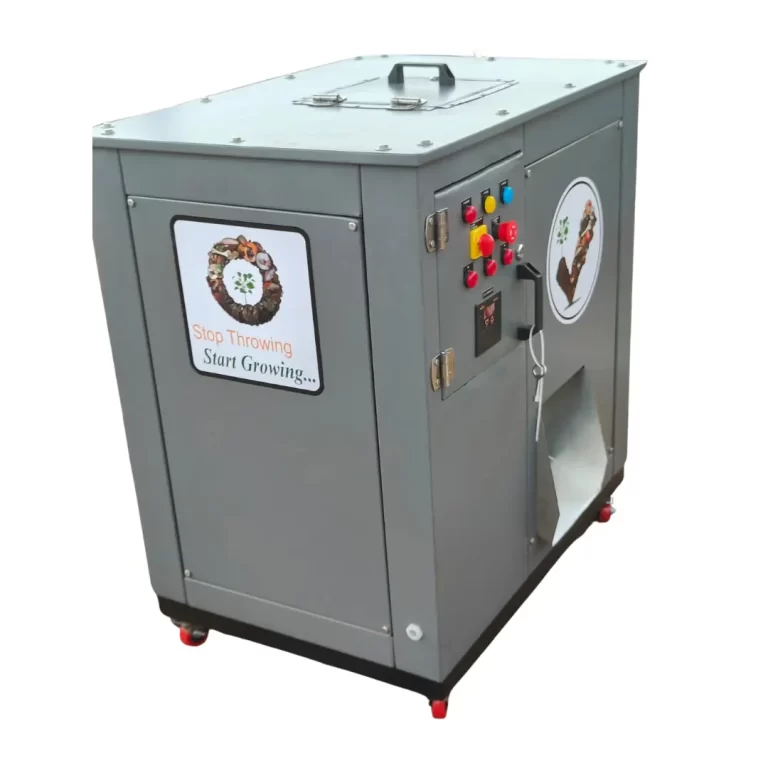
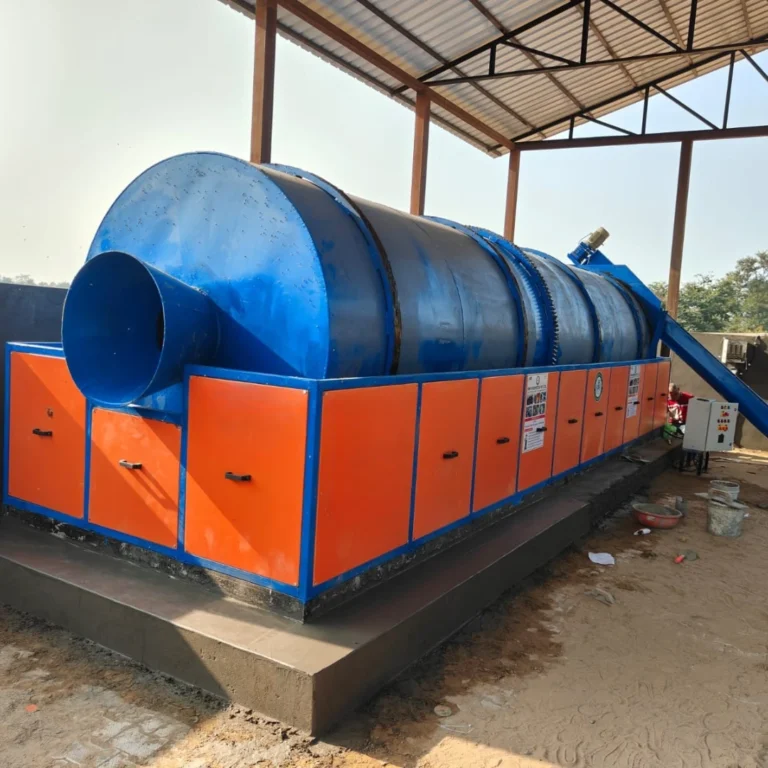
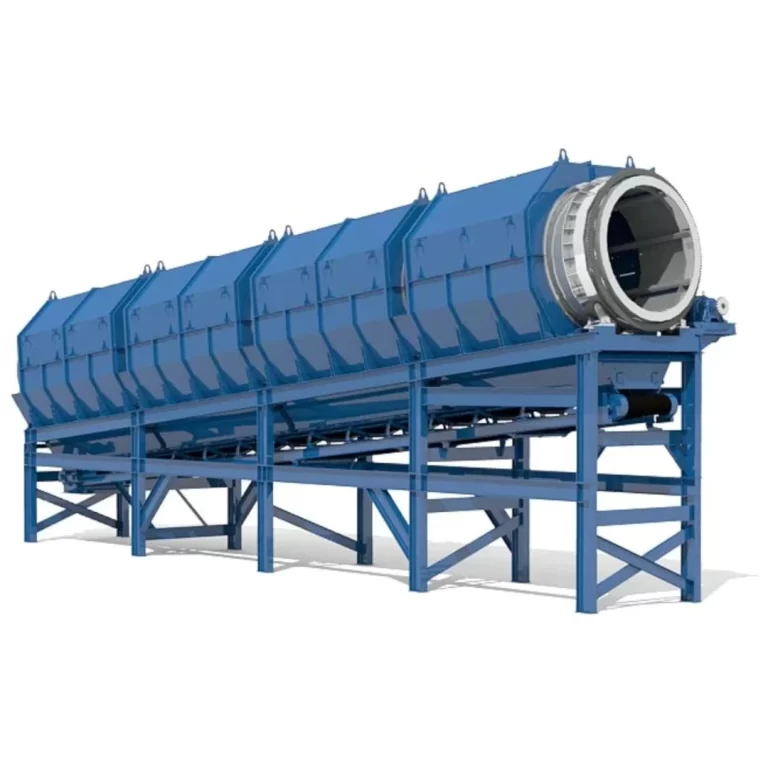
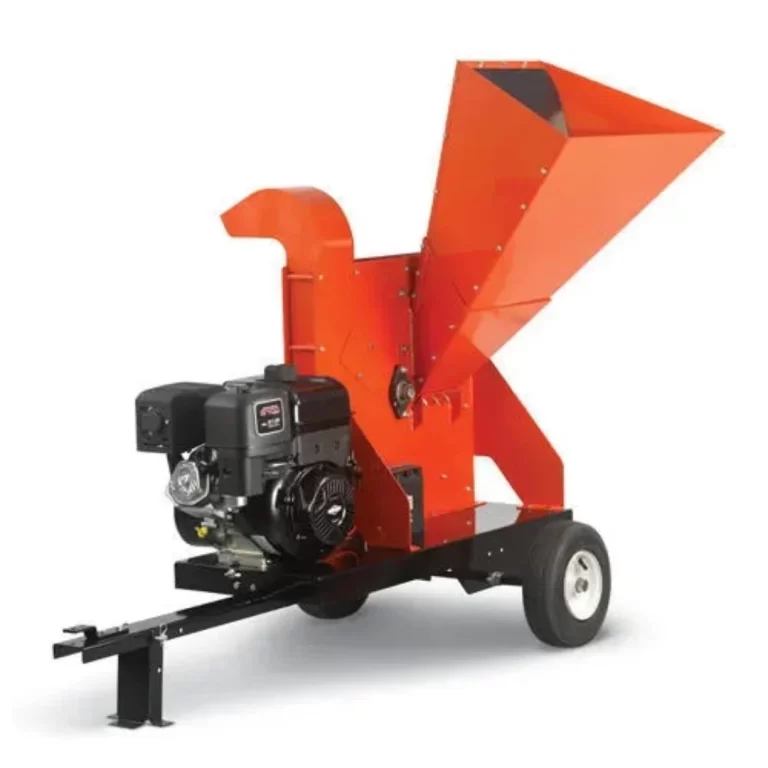
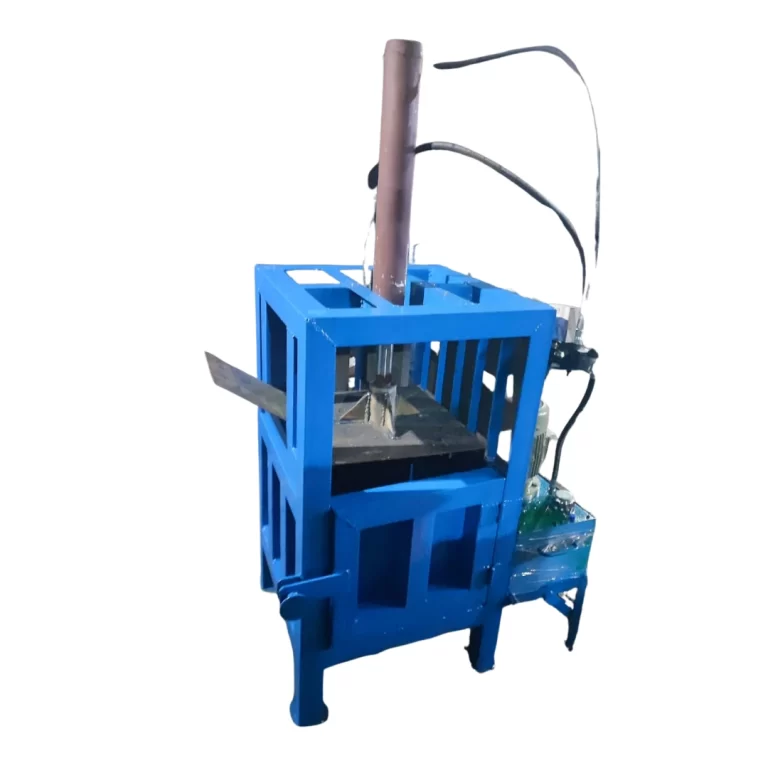
Modern waste management relies on advanced equipment to process and treat waste efficiently. Some commonly used machines include:
- Organic Waste Composting Machines
- Food Waste Composters
- Waste Shredders
- Bio Medical Waste Shredders
- Industrial Waste Processing Systems
- Municipal Solid Waste Management Equipment
These technologies help reduce waste volume, improve processing efficiency, and support sustainable waste disposal practices.
Benefits of Waste Management
1. Environmental Protection
Proper waste management reduces land, air, and water pollution by ensuring waste is collected, treated, recycled, and disposed of responsibly.
2. Improved Public Health
Effective waste disposal prevents the spread of diseases caused by bacteria, viruses, insects, and rodents that thrive in unmanaged waste.
3. Resource Conservation
Recycling and reusing materials such as paper, plastic, metal, and glass help conserve natural resources and reduce the need for raw material extraction.
4. Reduced Landfill Waste
Waste management practices like composting and recycling significantly decrease the volume of waste sent to landfills, extending landfill lifespan.
5. Supports Recycling
Proper segregation and collection make it easier to recover valuable materials, promoting recycling and a circular economy.
6. Lower Greenhouse Gas Emissions
Managing organic waste through composting and processing reduces methane emissions from landfills, helping combat climate change.
Best Waste Management Machine Manufacturer and Provider: Kumar Engineering
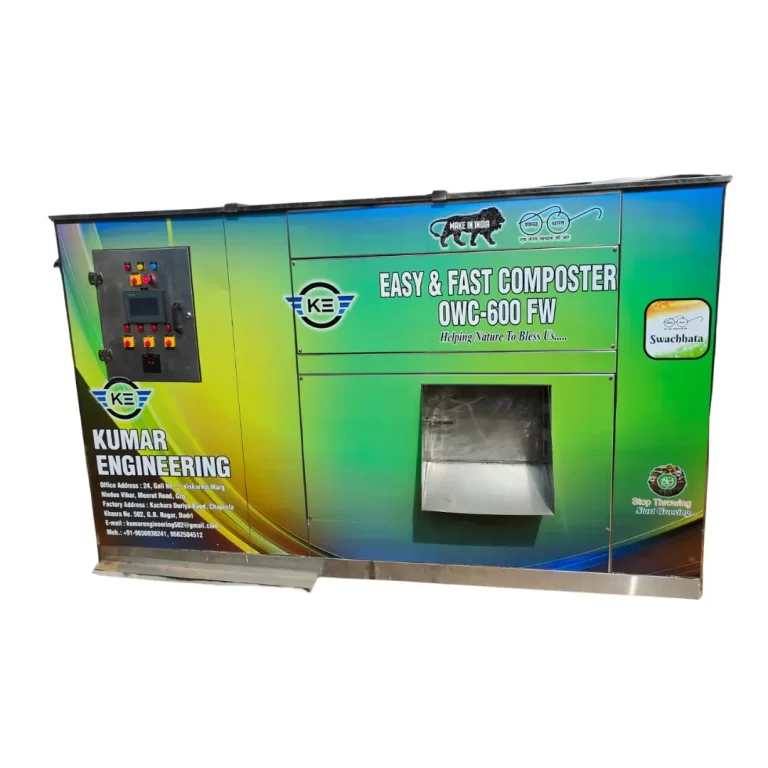
Kumar Engineering is a trusted manufacturer of waste management equipment, offering innovative solutions for organic waste processing, composting, shredding, and waste volume reduction. The company provides high-quality machines designed for residential complexes, commercial establishments, institutions, industries, and municipal projects. With a focus on efficiency, durability, and environmental sustainability, we help organizations implement effective waste management practices.
Conclusion
Waste management is much more than simply disposing of waste—it is a critical component of environmental protection, public health, resource conservation, and sustainable development. By adopting proper waste management practices and utilizing advanced waste processing equipment, individuals, businesses, and communities can significantly reduce their environmental impact.
Companies like Kumar Engineering play an important role in supporting modern waste management through reliable composting and waste processing solutions that contribute to a cleaner, greener, and more sustainable future.