Consider waking up each morning amidst streets littered with overflowing garbage, polluted waterways, and constantly expanding landfills. This is becoming the harsh reality in various regions around the world. As indicated by several environmental studies, millions of tons of waste are produced on a daily basis and, without efficient Solid Waste Management, these waste products pose harm to our health, environment, and generations to come.
Fortunately, not all waste products are entirely useless. Many of these waste materials can be recovered, reused, and used in creating resources. In this case, MRF in Waste Management emerges as the most critical element of the entire recycling process.
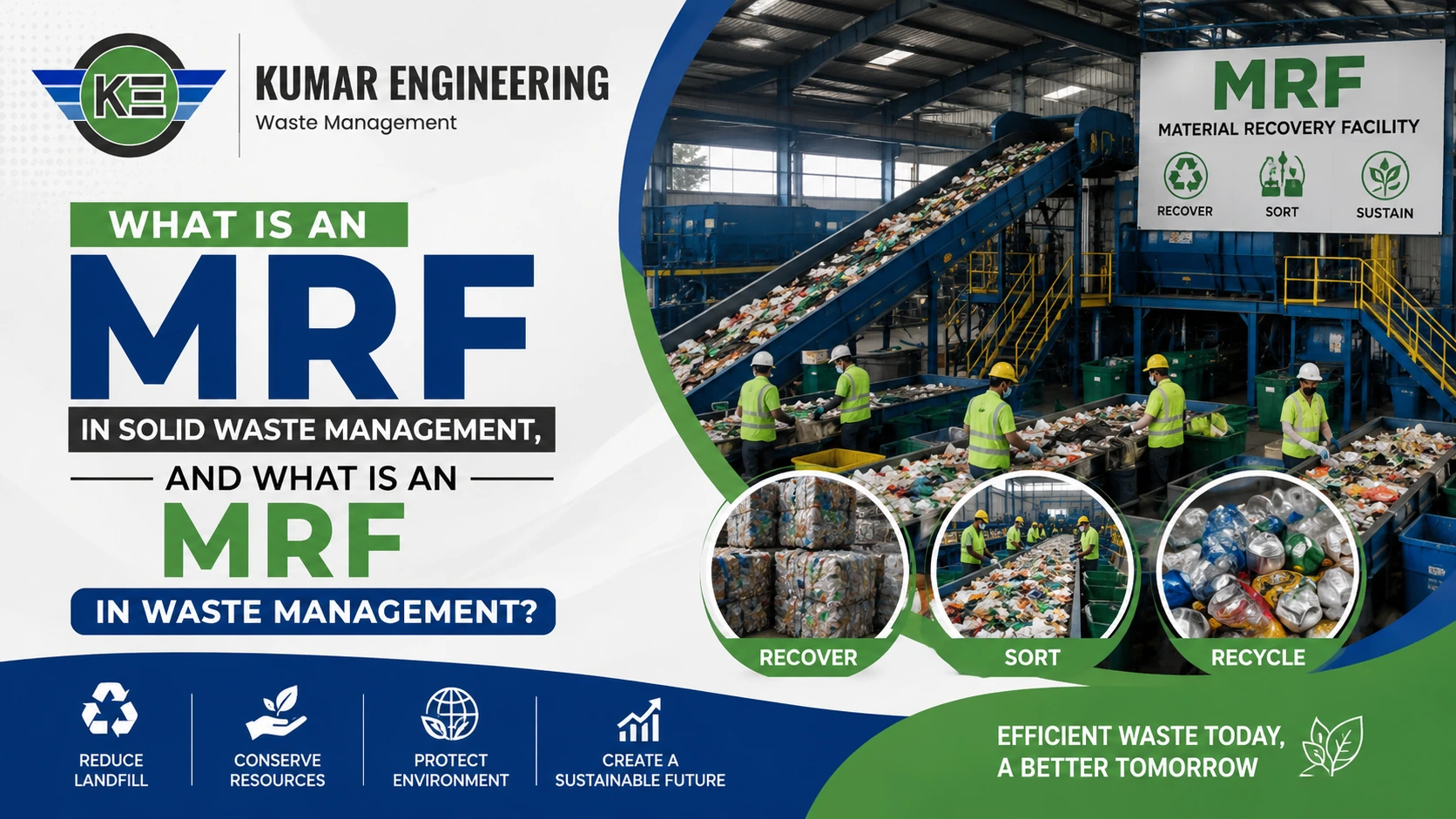
Material Recovery Facility, or more commonly known as an MRF, is a facility that recovers recyclable materials from mixed waste before it ends up in landfills. MRF not only cuts down the pollution of the environment but also ensures conservation of natural resources, saves energy, and fosters sustainable development. Whether you are an entrepreneur, municipality, environmental engineer, or anyone interested in improving the environment, knowing about MRF meaning is crucial in this era.
We at Kumar Engineering are sure that innovative engineering solutions are very helpful for optimizing the solid waste management system. With the help of modern technology for waste processing and material handling, it is possible not only to increase recycling efficiency but also to have a positive impact on the environment.
In this comprehensive guide, you will find out all the information about MRF Waste Management, the meaning of MRF, the way of working, MRF waste segregation, advantages, applications, and why MRF in Solid Waste Management is so relevant nowadays.
What Is MRF?
MRF is an abbreviation that means Material Recovery Facility. An MRF is an advanced facility that receives, sorts out, separates, processes, and prepares recyclable material received from the waste generated at the residential, commercial, and industrial levels.
Rather than letting the recyclable material find its way to landfills, an MRF recognizes valuable material and transports the material to the industries which recycle the material and turn it into products.
Today, the role played by MRF Solid Waste Management has become very significant in the modern Solid Waste Management system.
MRF Meaning
Many people search online for the MRF meaning, especially when learning about recycling and environmental management.
Simply put, the meaning of MRF is Material Recovery Facility. It is a recycling center where recyclable materials are sorted into different categories before being sent for recycling.
Unlike ordinary dumping grounds, an MRF focuses on recovering valuable materials instead of disposing of them. This approach supports sustainability and reduces the environmental burden caused by excessive waste.
MRF Meaning in Waste Management
The MRF meaning in waste management goes beyond just sorting recyclable materials. It represents an organized system that improves the efficiency of recycling operations.
A Material Recovery Facility serves as a bridge between waste collection and recycling industries. It ensures that recyclable materials are separated properly, contaminants are removed, and clean recyclables are supplied to manufacturers for reuse.
Without an efficient MRF, large quantities of recyclable materials would be buried in landfills, leading to unnecessary resource depletion and environmental damage.
What Is MRF in Waste Management?
When discussing MRF in Solid Waste Management, we refer to the complete process of recovering recyclable materials from municipal solid waste and preparing them for recycling.
The primary objectives of an MRF include:
- Recovering recyclable materials
- Reducing landfill waste
- Improving recycling rates
- Conserving natural resources
- Lowering carbon emissions
- Supporting a circular economy
Modern MRF Solid Waste Management facilities use advanced machinery, automated sorting systems, and skilled operators to maximize the recovery of valuable materials.
What Is MRF in Solid Waste Management?
MRF in Solid Waste Management refers to the use of Material Recovery Facilities for processing dry recyclable waste collected from households, industries, offices, institutions, and commercial establishments.
Municipal solid waste contains many recyclable materials such as:
- Plastic bottles
- Paper
- Cardboard
- Aluminum cans
- Steel scrap
- Glass bottles
- Packaging materials
- Metal containers
Rather than sending these valuable resources directly to landfills, an MRF separates and processes them for recycling.
This significantly improves overall solid waste management performance while reducing environmental pollution.
Why Is MRF Becoming So Important?
Rapid urbanization has increased the volume of waste generated every year. Cities now produce thousands of tons of waste daily, making efficient Solid Waste Management more important than ever.
Landfills occupy valuable land, generate harmful greenhouse gases, and contaminate groundwater if not managed properly.
This is why governments, municipalities, and industries are investing heavily in MRF Waste Management facilities.
By recovering recyclable materials before disposal, MRFs reduce reliance on landfills while creating valuable raw materials for manufacturing industries.
How Does an MRF Work?
A Material Recovery Facility follows a systematic process designed to maximize recycling efficiency.
Step 1 – Waste Collection
The process begins with waste collection from various sources such as:
- Residential colonies
- Apartment complexes
- Commercial buildings
- Shopping malls
- Schools
- Hospitals
- Factories
Collected waste is transported safely to the MRF.
Step 2 – Waste Reception
At the facility, trucks unload waste into a designated receiving area.
Here, trained operators inspect incoming materials to identify oversized items or hazardous waste that may interfere with the sorting process.
Step 3 – Initial Screening
Large debris, bulky materials, and unsuitable waste are removed before mechanical processing begins.
This improves sorting efficiency and protects processing equipment.
Step 4 – MRF Waste Segregation
One of the most critical stages is MRF waste segregation.
Waste materials are separated into different categories based on their type and recyclability.
Common categories include:
- Plastic
- Paper
- Cardboard
- Glass
- Metals
- Aluminum
- Flexible packaging
- Mixed recyclables
Efficient MRF waste segregation ensures higher recovery rates and cleaner recyclable materials.
Step 5 – Mechanical Sorting
Modern Material Recovery Facilities use advanced machinery for automated sorting.
Common equipment includes:
- Conveyor belts
- Trommel screens
- Magnetic separators
- Air classifiers
- Eddy current separators
- Optical sorting machines
These technologies improve sorting speed, accuracy, and operational efficiency.
Step 6 – Quality Inspection
After sorting, recovered materials undergo quality inspection.
Workers remove contaminants and ensure each material meets recycling industry standards.
Higher-quality recyclables command better market prices and improve recycling success.
Step 7 – Baling and Storage
Once materials have been sorted and cleaned, they are compressed into compact bales using hydraulic balers.
Baled materials require less storage space and are easier to transport.
Step 8 – Transportation to Recycling Plants
Finally, the sorted materials are transported to recycling manufacturers where they are transformed into new products such as:
- Plastic packaging
- Paper products
- Metal sheets
- Glass containers
- Construction materials
This completes the recycling cycle while reducing the need for virgin raw materials.
Materials Commonly Processed in an MRF
A modern Material Recovery Facility can process a wide range of recyclable materials.
These include:
- PET bottles
- HDPE containers
- Plastic packaging
- Cardboard boxes
- Newspapers
- Office paper
- Aluminum cans
- Steel containers
- Glass bottles
- Beverage cartons
- Metal scrap
- Packaging waste
Recovering these materials helps reduce environmental pollution while supporting sustainable manufacturing.
Key Components of an MRF Area
The MRF area is carefully designed to ensure smooth material flow and efficient operations.
Typical sections include:
- Waste receiving zone
- Inspection platform
- Conveyor sorting area
- Manual sorting stations
- Mechanical separation area
- Magnetic separation section
- Baling area
- Storage warehouse
- Dispatch section
A well-planned MRF area improves productivity, worker safety, and material recovery efficiency.
Role of Kumar Engineering in Sustainable Waste Management
At Kumar Engineering, we realize that effective MRF Waste Management demands engineering excellence and resilient machinery. It is our mission to help businesses and governments through the implementation of systems that contribute to their success while improving solid waste management strategies.
In light of increasing environmental laws and higher recycling rates, choosing state-of-the-art waste treatment solutions is not only a choice; it is a must. Through the adoption of innovative technology and efficient material handling, organizations will be able to create better communities.
Types of Material Recovery Facilities (MRFs)
Not all Material Recovery Facilities operate in the same way. Depending on the source of waste and the level of segregation, MRFs are generally classified into three major types.
1. Clean MRF
A Clean Material Recovery Facility processes recyclable materials that have already been separated at the source. Households, offices, and industries segregate recyclable waste before collection, making the sorting process faster and more efficient.
Advantages of Clean MRF
- Higher quality recyclable materials
- Less contamination
- Lower processing costs
- Better recycling efficiency
- Faster material recovery
2. Dirty MRF
A Dirty Material Recovery Facility receives mixed municipal solid waste without prior segregation. Advanced machines and trained workers separate recyclable materials from general waste.
Advantages of Dirty MRF
- Suitable for cities without source segregation
- Higher recovery of recyclable materials
- Reduces landfill waste
- Supports municipal recycling programs
3. Hybrid MRF
A Hybrid Material Recovery Facility combines the features of both Clean and Dirty MRF systems. It can process both pre-sorted recyclables and mixed waste, offering greater operational flexibility.
Equipment Used in MRF Waste Management
Modern MRF Waste Management facilities rely on advanced equipment to improve efficiency, reduce manual labor, and maximize resource recovery.
Common machinery includes:
- Conveyor Belt Systems
- Trommel Screens
- Magnetic Separators
- Eddy Current Separators
- Air Classifiers
- Optical Sorting Machines
- Vibrating Screens
- Bag Openers
- Hydraulic Balers
- Waste Shredders
- Dust Collection Systems
- Storage Hoppers
At Kumar Engineering, reliable engineering solutions help industries improve material handling efficiency while supporting sustainable Solid Waste Management operations.
Importance of MRF
The importance of MRF has grown significantly as governments and industries focus on sustainable development and environmental conservation.
Material Recovery Facilities help transform waste into reusable resources instead of allowing valuable materials to end up in landfills.
Why MRFs Are Important
Reduces Landfill Dependency
Recovering recyclable materials significantly reduces the amount of waste sent to landfills.
Conserves Natural Resources
Recovered paper, plastics, glass, and metals reduce the demand for virgin raw materials.
Saves Energy
Manufacturing products from recycled materials often requires much less energy than producing them from raw resources.
Protects the Environment
Proper recycling reduces pollution, greenhouse gas emissions, and environmental degradation.
Supports Circular Economy
Materials remain in use for longer periods instead of becoming waste.
Generates Employment
MRFs create jobs in collection, transportation, sorting, recycling, equipment maintenance, and logistics.
Benefits of MRF Waste Management
An efficient MRF Waste Management system offers numerous environmental, economic, and operational advantages.
Higher Recycling Rates
Proper sorting improves the recovery of recyclable materials.
Better Material Quality
Clean, segregated materials have higher commercial value.
Reduced Waste Disposal Costs
Less waste reaches landfills, lowering transportation and disposal expenses.
Improved Public Health
Cleaner surroundings reduce health risks associated with unmanaged waste.
Environmental Sustainability
MRFs contribute to cleaner cities and lower carbon emissions.
Resource Conservation
Recovered materials can be reused repeatedly, reducing pressure on natural resources.
Compliance with Government Regulations
Many municipalities encourage or mandate recycling through modern solid waste management practices.
MRF Waste Segregation Best Practices
Effective MRF waste segregation is the foundation of successful recycling operations.
Best practices include:
- Encourage source segregation at homes and workplaces.
- Separate wet and dry waste before collection.
- Remove hazardous materials from recyclable waste.
- Use color-coded bins for different waste categories.
- Conduct regular quality inspections.
- Train workers on safe handling practices.
- Maintain sorting equipment regularly.
- Adopt automation wherever possible.
Following these practices improves recycling efficiency and reduces contamination.
Applications of MRF in Waste Management
Material Recovery Facilities are used across numerous industries and public sectors.
Municipal Corporations
Processing household recyclable waste collected from cities.
Industrial Manufacturing
Recovering packaging materials, plastics, metals, and production waste.
Commercial Buildings
Managing recyclable office waste efficiently.
Shopping Malls
Sorting cardboard, plastics, and packaging materials.
Educational Institutions
Supporting campus recycling initiatives.
Hospitals
Recovering non-hazardous recyclable materials.
Airports and Railway Stations
Managing large volumes of packaging and commercial waste.
Smart City Projects
Supporting sustainable urban development through efficient recycling systems.
Challenges Faced by MRF Facilities
Although MRFs provide numerous advantages, operators often face several challenges.
- Mixed waste contamination
- Lack of public awareness
- Improper source segregation
- High maintenance costs
- Equipment downtime
- Labor shortages
- Fluctuating recycling market prices
- Limited recycling infrastructure
Continuous investment in technology and public education can overcome these challenges.
Future of MRF Waste Management
The future of MRF Waste Management is being shaped by automation and digital technologies.
Emerging innovations include:
- Artificial Intelligence (AI)-based sorting systems
- Robotic waste pickers
- Internet of Things (IoT) monitoring
- Automated quality control
- Smart conveyor systems
- Machine learning for material identification
- Advanced optical sorting technologies
These innovations are expected to increase recovery efficiency while reducing operational costs and human error.
Why Choose Kumar Engineering?
It is important to choose an engineering partner wisely to create efficient and sustainable solid waste management facilities.
Kumar Engineering takes pride in delivering innovative and high-quality engineering solutions that are compatible with the requirements of solid waste management in the current scenario. With our emphasis on quality, innovation, and customer satisfaction, our solutions help industries and municipalities achieve their desired efficiency levels and ensure environmental sustainability at the same time.
From more effective material handling and increased recycling efficiency to higher productivity, Kumar Engineering aims at providing you with all that you need.
Advanced Machinery Used in Our Material Recovery Facility (MRF)
At Kumar Engineering, we use advanced machines to ensure efficient waste processing, accurate segregation, and maximum resource recovery.
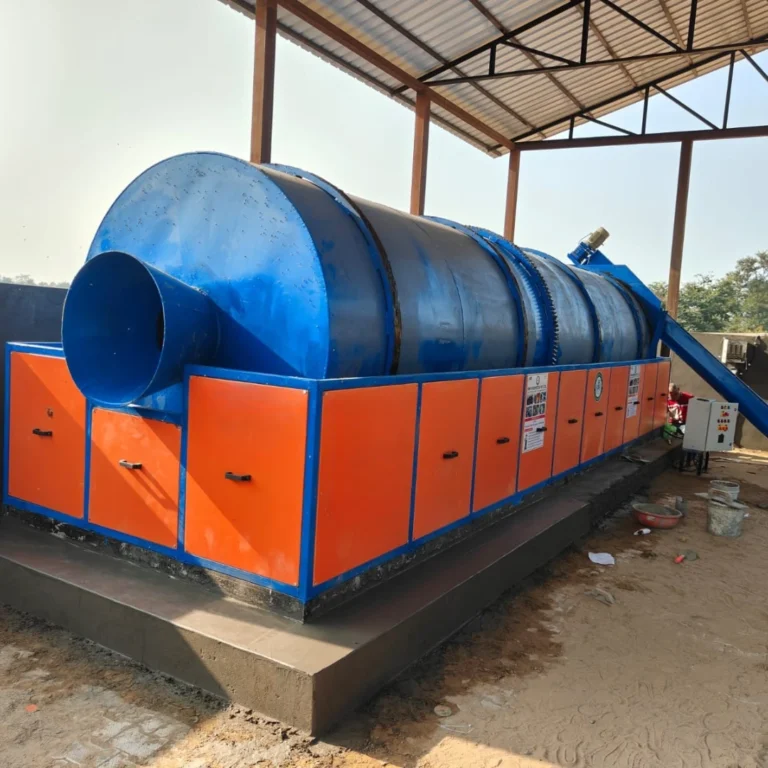
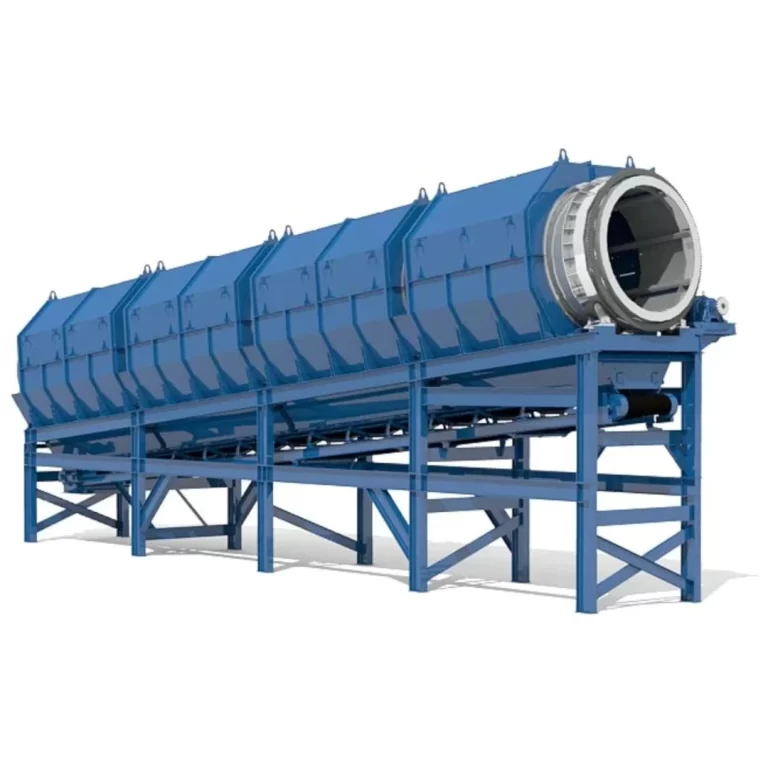
- Trommel Machine – Screens and separates waste by size.
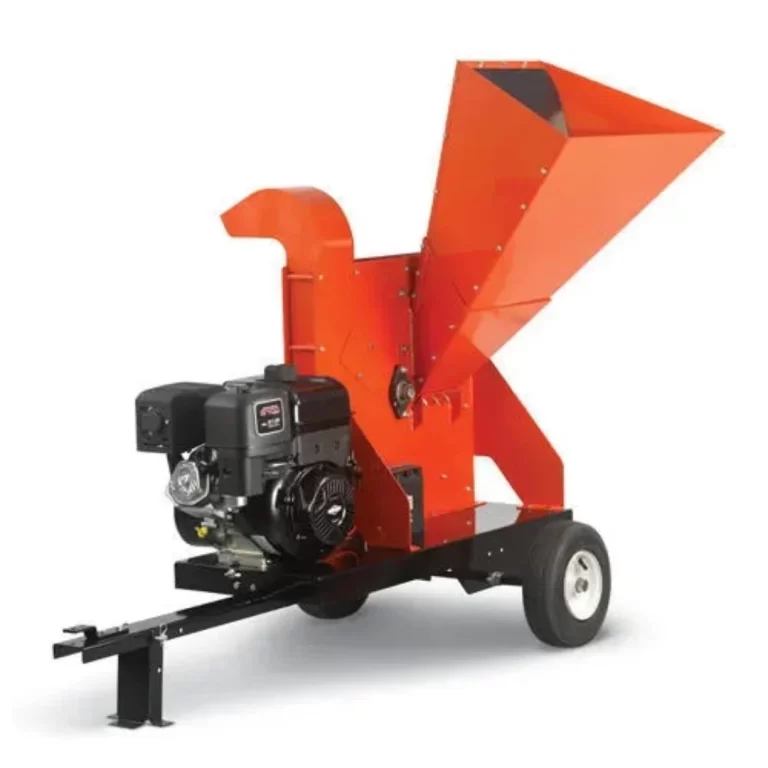
- Wood Chipper Machine – Converts wood waste into reusable wood chips.
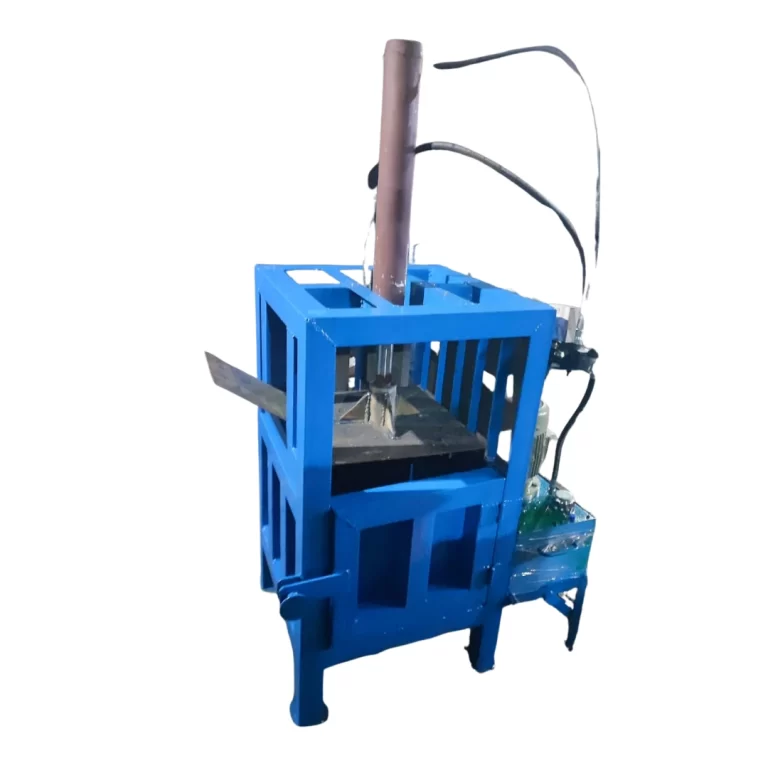
- Baling Machine – Compresses recyclable materials into compact bales.
- Fatka Machine – Separates light and heavy waste efficiently.
- Mix Waste Shredder – Shreds mixed municipal waste for easy processing.
- Double Shaft Shredder Machine – Handles bulky and heavy waste materials.
- Single Shaft Shredder Machine – Ideal for shredding plastic, paper, and wood waste.
- Conveyor Machine – Ensures smooth and continuous material movement throughout the MRF.
Kumar Engineering delivers complete Material Recovery Facility (MRF) solutions with high-performance machinery for efficient, reliable, and sustainable waste management.
Frequently Asked Questions (FAQs)
What is the meaning of MRF?
The meaning of MRF is Material Recovery Facility, a specialized center where recyclable materials are separated, processed, and prepared for recycling.
What is MRF in Waste Management?
MRF in Solid Waste Management refers to a facility where recyclable waste is sorted, cleaned, and processed before being supplied to recycling industries.
What is MRF in Solid Waste Management?
MRF in Solid Waste Management is a system used to recover valuable recyclable materials from municipal solid waste, reducing landfill disposal and supporting sustainable recycling.
What materials are recovered in an MRF?
Common materials include plastics, paper, cardboard, aluminum, steel, glass, cartons, and other recyclable packaging materials.
Why is MRF waste segregation important?
Proper MRF waste segregation improves recycling efficiency, increases material quality, reduces contamination, and lowers disposal costs.
What is the importance of MRF?
The importance of MRF lies in conserving natural resources, reducing landfill waste, improving recycling rates, lowering pollution, and promoting sustainable development.
How does an MRF benefit the environment?
An MRF helps reduce greenhouse gas emissions, conserves energy, minimizes landfill usage, protects natural resources, and supports a circular economy.
Conclusion
With an increase in waste production, the need for efficient MRF in Waste Management becomes inevitable as far as the future. An efficiently designed Material Recovery Facility is important to ensure recovery of useful recyclable materials, less landfill usage, conservation of natural resources, and environmental sustainability.
Understanding the MRF meaning, the meaning MRF, and the importance of MRF allows individuals to take appropriate measures in terms of waste treatment and recycling. From effective MRF waste management to the use of advanced sorting techniques, each aspect plays its part in making the environment cleaner.
At Kumar Engineering, our approach towards the design of efficient solid waste management systems lies in sustainable engineering practices. Through innovation, quality, and environmentally sound practices, organizations will be able to utilize the potential of waste material positively.