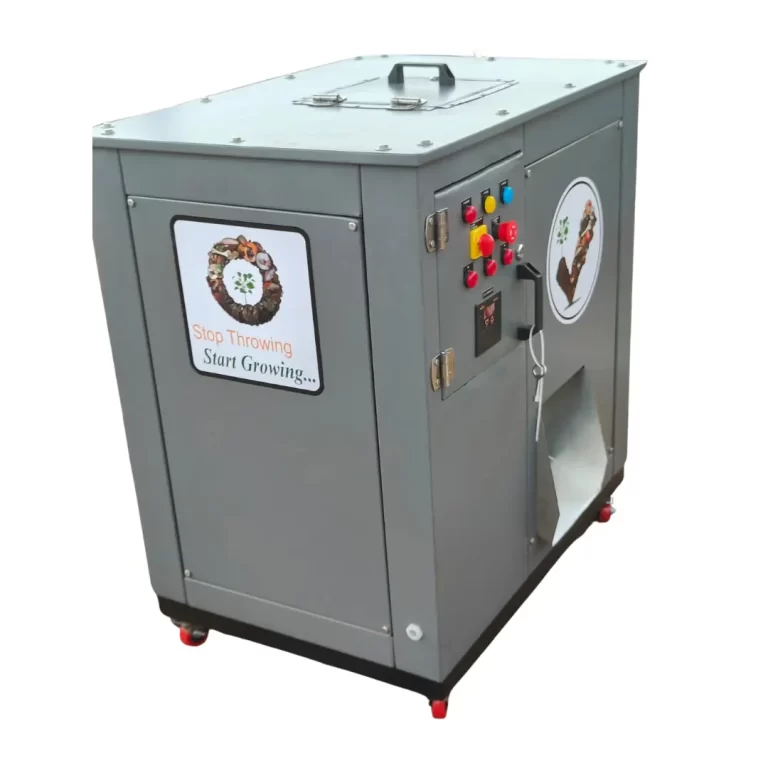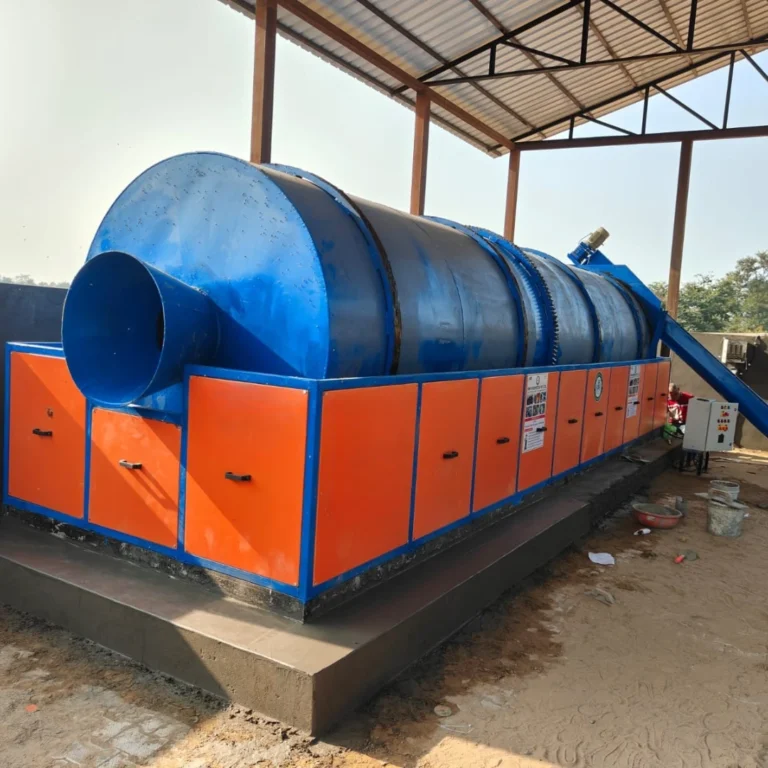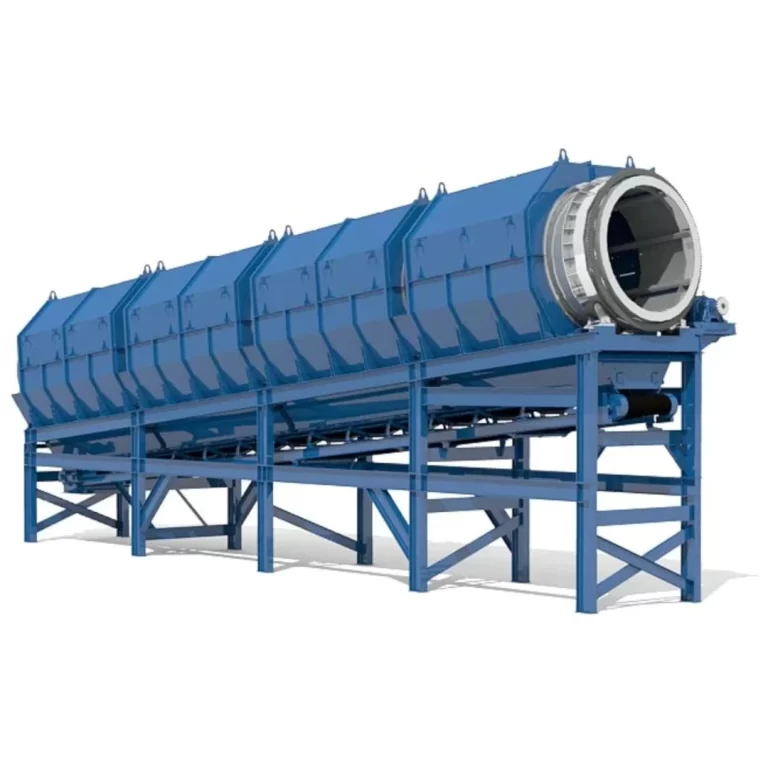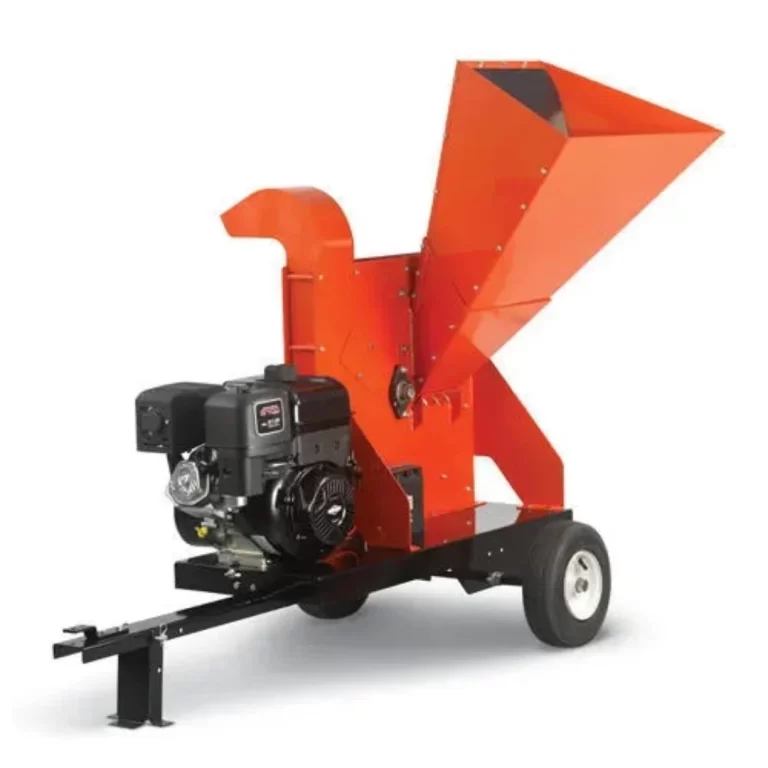
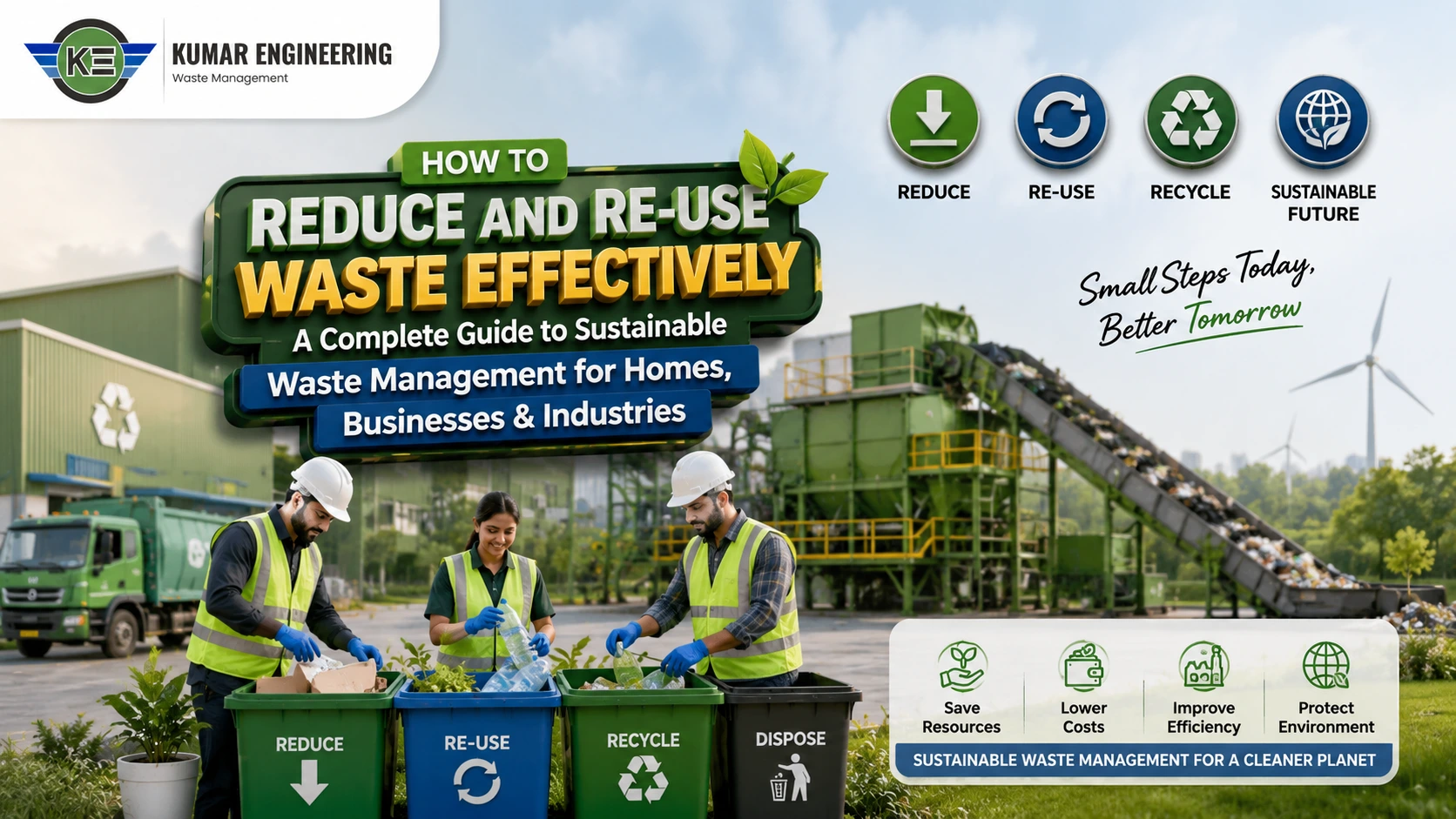
Daily, many tons of waste are being produced from households, offices, industries, marketplaces, and other places. Such waste goes into landfill areas and pollutes water bodies and soils, as well as increases the emissions of greenhouse gases. On the contrary, many valuable materials that could have been reused are thrown away without any use. This is a problem for the environment as well as for our health, our economy, and future generations. The positive part of the issue is that everyone has the capacity to do something about this matter.
Reduce Reuse Recycle is not just another environmental saying but an actual practice that contributes to resource conservation, reduces pollution, lowers waste management costs, and ensures a brighter tomorrow. As soon as you know how important Reduce Reuse Recycle is, your decisions related to consumption, product usage, and disposal will be more intelligent. No matter whether you are living in a tiny apartment, running a commercial enterprise, or manufacturing goods, Reduce Reuse Recycle will help you cut down on waste production and make the best of the resources. With sustainability becoming a necessity of our time, Reduce Reuse Recycle becomes one of the best ways to ensure the well-being of our planet.
Kumar Engineering believes that sustainable waste management is not the process of selling machinery but rather solving customer problems related to waste. Each company, city government, recycler, and factory has its own waste management problem. Rather than presenting generic solutions, we believe in getting to know these problems, seeing how efficiency can be improved, and suggesting ways of reducing waste for our clients. Sustainable waste management begins with awareness, knowledge, and right action.
Why Waste Reduction Has Become More Important Than Ever
Today, modern living styles have led to increased levels of consumption in unprecedented amounts. Packaging waste, disposable goods, food waste, electronic waste, plastic waste, and industry wastes keep increasing each year. These wastes would not be disposed of properly without proper waste management, and they would take up space in the landfills, cause toxic gas emissions, and pollute the environment.
There are many advantages of minimizing waste that go beyond environmental conservation. It can help save on costs in the household, company, industry, and government.
Some of the biggest advantages of effective waste reduction include:
- Lower landfill waste generation
- Reduced environmental pollution
- Conservation of natural resources
- Better utilization of recyclable materials
- Reduced carbon emissions
- Lower disposal and transportation costs
- Improved public health
- Cleaner cities and communities
- Increased sustainability for future generations
These benefits demonstrate why every individual and organization should actively participate in sustainable waste management practices.
Understanding the Meaning of Reduce, Reuse and Recycle
Many people use these three words together without understanding their individual importance. Each step plays a different role in minimizing waste.
Reduce
Reducing means avoiding unnecessary consumption before waste is even created. Purchasing only what is needed, selecting products with minimal packaging, using durable materials, and preventing food waste are all examples of reducing waste at its source.
The priority should always be to reduce waste because waste that is never produced does not require transportation, processing, or disposal.
Reuse
Reuse focuses on extending the life of products instead of throwing them away after a single use. Reusing containers, repairing furniture, donating clothes, refilling bottles, and repurposing household items help reduce the demand for new products.
Choosing reuse reduce recycle practices encourages people to view products as valuable resources rather than disposable items.
Recycle
Recycling converts used materials into new products through specialized processing systems. Paper, cardboard, plastics, metals, and glass can often be recycled, reducing the need for extracting virgin raw materials.
Following the principle of recycle reuse reduce supports a circular economy where materials remain in use for as long as possible.
What Is Zero Waste Living?
Many people ask, what is zero waste living?
Simply put, what is zero waste living refers to a lifestyle where individuals try to minimize the amount of waste sent to landfills by making conscious choices every day. Instead of relying on disposable products, people focus on reusable alternatives, responsible purchasing, composting organic waste, repairing broken items, and recycling whenever possible.
Understanding what is zero waste living does not mean producing absolutely no waste. Rather, it means continuously making better decisions that reduce unnecessary consumption and maximize resource efficiency.
Communities around the world are increasingly adopting zero waste living because it helps conserve resources, improve environmental health, and reduce long-term waste management costs.
Why Every Home Should Follow Sustainable Waste Management Practices
Waste management begins at home. Every family generates kitchen waste, plastic packaging, paper products, old clothes, glass bottles, electronic waste, and food leftovers. Small improvements in daily habits can create a significant positive impact over time.
Learning how to reduce waste at home is one of the easiest ways to contribute toward environmental protection. Families that understand how to reduce waste at home often discover that sustainable habits also save money and reduce unnecessary purchases.
Some practical ways of how to reduce waste at home include:
- Buying only necessary items.
- Carrying reusable shopping bags.
- Using refillable water bottles.
- Repairing damaged household items instead of replacing them.
- Composting kitchen waste.
- Planning meals to reduce food waste.
- Avoiding single-use plastic products.
- Choosing products with recyclable packaging.
These simple actions make how to reduce waste at home achievable for every family regardless of their income or lifestyle.
The Growing Importance of Zero Waste Households
Creating a zero waste household does not happen overnight. It is a gradual process that begins with small, practical changes.
A zero waste household focuses on reducing unnecessary purchases, selecting reusable products, organizing waste segregation, composting biodegradable waste, and recycling suitable materials.
Families that successfully establish a zero waste household often experience cleaner living spaces, lower monthly expenses, improved organization, and greater environmental awareness.
Many experts believe that if more families adopt the principles of a zero waste household, cities can significantly reduce landfill dependency while improving recycling rates.
Why Businesses Should Embrace Sustainable Waste Management
Businesses generate large volumes of packaging materials, office waste, production waste, and commercial waste every day. Poor waste management increases disposal costs, reduces operational efficiency, and negatively impacts environmental performance.
Modern businesses increasingly recognize that reduce reuse and recycle is not just good for the environment—it also supports long-term profitability.
Companies adopting reduce reuse and recycle strategies often experience:
- Lower waste disposal expenses
- Better inventory management
- Improved material utilization
- Stronger environmental reputation
- Greater customer trust
- Better compliance with sustainability goals
Implementing reduce reuse and recycle practices helps businesses transform waste from a financial burden into an opportunity for resource optimization.
How a Zero Waste Lifestyle Can Save You Money
One of the biggest misconceptions is that sustainable living is expensive. In reality, how a zero waste lifestyle can save you money is a question with many practical answers.
Understanding how a zero waste lifestyle can save you money begins with reducing unnecessary purchases. When people buy only what they genuinely need, repair products instead of replacing them, reuse containers, reduce food waste, and choose durable items, household expenses naturally decrease.
Learning how a zero waste lifestyle can save you money also encourages smarter shopping habits, lower utility consumption, and fewer impulse purchases.
This is one of the biggest reasons why more families are choosing zero waste living instead of traditional consumer habits.
Sustainable Waste Management Is About Responsibility, Not Perfection
Many people hesitate to start because they believe sustainability requires major lifestyle changes. The reality is quite different.
You do not have to eliminate every piece of waste overnight. Every reusable bag, every repaired appliance, every recycled bottle, every composted food scrap, and every conscious purchasing decision contributes to a cleaner environment.
Building a no waste lifestyle is about making continuous improvements rather than achieving perfection. Even small daily actions gradually create significant environmental benefits over time.
Whether you are beginning your journey toward a no waste lifestyle or looking to improve existing waste management practices, every positive step matters. Choosing sustainable habits today creates healthier communities, protects valuable natural resources, and ensures a better future for generations to come.
Practical Ways to Reduce Waste in Everyday Life
Sustainability is not achieved through one big decision—it is built through hundreds of small choices made every day. Whether you are an individual, a family, a business owner, or an industrial manufacturer, reducing waste starts with changing daily habits. The more consistently people practice reduce reuse recycle, the greater the long-term environmental and financial benefits.
Below are practical methods that anyone can adopt to minimize waste generation while improving resource efficiency.
Choose Quality Instead of Quantity
One of the easiest ways to reduce waste is to purchase products that are durable and long-lasting. Cheap disposable items often end up in landfills within weeks or months, whereas high-quality products remain useful for years.
This simple purchasing habit supports reduce reuse recycle, minimizes replacement costs, and reduces pressure on natural resources.
Avoid Single-Use Products
Disposable cups, plastic cutlery, shopping bags, bottles, and packaging contribute significantly to global waste.
Replacing these items with reusable alternatives supports reuse reduce recycle while helping households and businesses lower recurring expenses.
Examples include:
- Stainless steel water bottles
- Cloth shopping bags
- Reusable lunch containers
- Metal straws
- Glass storage jars
- Rechargeable batteries
Small replacements create lasting environmental benefits.
Smart Tips on How to Reduce Waste at Home
Many people think sustainability requires expensive investments, but the reality is quite different. Learning how to reduce waste at home begins with simple everyday practices.
Some highly effective methods include:
- Purchase groceries with minimal packaging.
- Store food properly to prevent spoilage.
- Donate unused clothing instead of discarding it.
- Repair household appliances whenever possible.
- Reuse glass containers for storage.
- Compost kitchen scraps.
- Buy refill packs instead of new containers.
- Switch to reusable cleaning cloths.
Families who consistently practice how to reduce waste at home often notice lower grocery bills, reduced garbage generation, and a cleaner living environment.
Another effective strategy for how to reduce waste at home is creating separate bins for biodegradable, recyclable, and non-recyclable waste. Proper segregation makes recycling easier while reducing contamination.
Industrial Waste Reduction Strategies
Industries generate large quantities of raw material waste, packaging waste, scrap metal, plastics, paper, organic waste, and production by-products.
Instead of viewing waste as an unavoidable expense, modern industries now consider waste a valuable resource.
Effective industrial waste reduction includes:
- Improving production planning
- Monitoring raw material consumption
- Reusing manufacturing by-products
- Installing recycling systems
- Reducing packaging waste
- Optimizing warehouse management
- Training employees in sustainable practices
- Conducting regular waste audits
Organizations that embrace reduce reuse recycle often improve operational efficiency while lowering disposal costs.
Waste Management in Commercial Businesses
Commercial establishments such as hotels, restaurants, shopping malls, offices, hospitals, educational institutions, and warehouses also generate considerable waste every day.
Business owners can significantly improve sustainability through the following initiatives:
- Digital documentation to reduce paper usage
- Refillable office supplies
- Energy-efficient equipment
- Recyclable packaging materials
- Employee awareness programs
- Waste segregation systems
- Composting food waste where applicable
- Vendor partnerships for recycling
These practices support reduce reuse and recycle, helping businesses reduce operating costs while enhancing their environmental reputation.
Building a Zero Waste Household
Creating a zero waste household does not require perfection. It requires commitment.
The journey toward a zero waste household often starts with evaluating daily habits and identifying unnecessary waste.
Some proven practices include:
- Buying products in bulk
- Choosing refillable household items
- Avoiding disposable decorations
- Using cloth towels instead of paper towels
- Reusing containers for storage
- Composting organic waste
- Donating unwanted furniture
- Repairing damaged household goods
Every improvement brings families closer to a successful zero waste household while reducing monthly household expenses.
What Is Zero Waste Living in Daily Practice?
Earlier, we discussed what is zero waste living from a conceptual perspective. In practice, what is zero waste living means making intentional decisions every day.
Examples include:
- Carrying reusable shopping bags.
- Avoiding unnecessary packaging.
- Supporting sustainable brands.
- Repairing rather than replacing products.
- Purchasing only what is needed.
- Choosing reusable food containers.
- Recycling correctly.
- Composting biodegradable materials.
Understanding what is zero waste living encourages responsible consumption while reducing pressure on natural resources.
No Waste Lifestyle for Modern Families
A no waste lifestyle is becoming increasingly popular because it offers practical financial and environmental advantages.
Families following a no waste lifestyle often experience:
- Reduced monthly shopping expenses
- Better home organization
- Less food wastage
- Lower garbage disposal
- Cleaner surroundings
- Improved environmental awareness
Even adopting a partial no waste lifestyle can create meaningful long-term benefits.
How a Zero Waste Lifestyle Can Save You Money
Many people underestimate how a zero waste lifestyle can save you money until they begin implementing sustainable habits.
Let’s understand how a zero waste lifestyle can save you money through practical examples.
| Sustainable Practice | Financial Benefit | Environmental Benefit |
|---|---|---|
| Reusable bottles | Saves repeated purchase costs | Reduces plastic waste |
| Cloth shopping bags | Eliminates plastic bag purchases | Less landfill waste |
| Food planning | Prevents food wastage | Conserves resources |
| Repairing appliances | Delays replacement costs | Reduces electronic waste |
| Composting | Produces natural fertilizer | Reduces landfill waste |
| Buying durable products | Fewer replacements | Lower resource consumption |
These examples clearly demonstrate how a zero waste lifestyle can save you money while protecting the environment.
Waste Reduction Specification Table
The following table provides a practical overview of sustainable waste management strategies that can be applied in homes, businesses, and industries.
| Parameter | Recommended Practice |
|---|---|
| Waste Management Goal | Minimize waste generation at source |
| Primary Principle | Reduce Reuse Recycle |
| Waste Segregation | Wet, Dry and Hazardous Waste |
| Household Practice | Composting & Reusable Products |
| Commercial Practice | Paper Reduction & Recycling Programs |
| Industrial Practice | Material Recovery & Resource Optimization |
| Recyclable Materials | Paper, Plastic, Glass, Metal, Cardboard |
| Organic Waste Solution | Composting & Bio-processing |
| Employee Awareness | Regular Sustainability Training |
| Packaging Solution | Eco-friendly & Recyclable Packaging |
| Resource Conservation | Water, Energy & Raw Material Optimization |
| Cost Saving Method | Waste Reduction Before Disposal |
| Environmental Benefit | Reduced Carbon Footprint |
| Long-Term Objective | Circular Economy & Sustainable Development |
| Suitable For | Homes, Businesses, Industries & Municipal Bodies |
Why Awareness Is More Powerful Than Technology
Technology is very significant in waste management, but there is more to solving the waste problem than just technology alone.
The impact comes when people learn the significance of reduce reuse recycle and make the practice a reality in their day-to-day living.
At Kumar Engineering, we firmly believe that all waste management solutions must first start by understanding the customer’s true needs, rather than pushing equipment as a solution. Every company will have different kinds of waste, operational objectives, space, capacity, and sustainability objectives.
The focus at Kumar is making sure that the customer understands how to implement sustainable waste management processes for them that increase efficiency, reduce wastage, and ensure recycling of resources. Only when sustainable waste management solutions solve problems will it create any true value for the environment.
Whatever you do as an individual or corporation, you will be making our world a better place.
Small Actions Today Create a Cleaner Tomorrow
The sustainability of the future of development lies in our hands right now. Any reused plastic bottle, any recycled piece of paper, any properly used food item, or any consciously made purchase reduces the pressure on our planet. The management of sustainable waste is not solely up to the government and industries—individuals, households, enterprises, universities, local authorities, and manufacturers are also accountable for it.
When the principles of reduce reuse recycle are applied on an ongoing basis, then not only is the conservation of natural resources achieved but other people are also encouraged to use them in an environmentally responsible way. With time, the result is clean cities, healthier neighborhoods, less pollution, and a well-functioning circular economy.
If you are curious about the methods of waste reduction at home, then you need to know that even the slightest changes in your day-to-day behavior make an impact. Buying reusable products, fixing things instead of buying new ones, composting food scraps, avoiding excessive purchases, and sorting out recycling materials can help to practice reduce reuse recycle, reinforce the idea of reduce reuse and recycle, and recycle reuse reduce becomes a part of your routine.
Similarly, industries and businesses can also make significant contributions through better material use, waste reduction in production, proper packaging, and responsible resource management practices. Not only will this help to promote zero waste living, but these practices can also result in improved efficiency and lower costs related to waste removal.
There is still another question on the minds of many people who are still unsure about what is zero waste living and whether or not one can live such a way. The answer is quite clear—there is no perfection, just constant improvement. Each step closer to living a zero waste household life or leading a no waste lifestyle makes a difference.
One of the most useful lessons one can learn from sustainable living is how a zero waste lifestyle can be beneficial for the wallet of individuals or organizations. Proper purchasing behavior and avoiding wastefulness help to keep the budget under control while also being beneficial for the environment. This means that sustainability has become a good business practice as well.
In Kumar Engineering, we view sustainable waste management as something that begins with addressing existing problems instead of proposing solutions to non-existing problems. All our clients have different problems related to their waste management and the success of our operations depends on effective planning, good use of resources and thinking ahead of time. Our objective is to assist industries, businesses and communities with useful information to become more efficient in their waste management activities.
This is how we begin our path towards sustainability. Reduce, reuse, recycle, encourage others to do the same and together let us make our planet better for the generations to come.
Frequently Asked Questions
1. What is the meaning of reduce reuse recycle?
Reduce reuse recycle is a waste management hierarchy that focuses on minimizing waste generation. “Reduce” means consuming fewer resources, “Reuse” means using products multiple times, and “Recycle” means converting waste materials into new products. Following this approach helps conserve natural resources, reduce pollution, and lower landfill waste.
2. How to reduce waste at home effectively?
The best ways to how to reduce waste at home include buying only what you need, avoiding single-use plastics, composting kitchen waste, using reusable bags and bottles, repairing damaged items, donating usable products, and separating recyclable waste. These simple habits reduce household waste while saving money.
3. What is zero waste living?
What is zero waste living refers to a sustainable lifestyle that aims to minimize the amount of waste sent to landfills. It encourages reducing unnecessary consumption, reusing products, recycling materials correctly, composting organic waste, and making environmentally responsible purchasing decisions.
4. How can a zero waste lifestyle save you money?
Understanding how a zero waste lifestyle can save you money is simple. Purchasing fewer disposable products, repairing instead of replacing items, reducing food waste, buying durable goods, and reusing containers help lower monthly expenses while reducing environmental impact.
5. What is a zero waste household?
A zero waste household is a home that actively works to minimize waste generation by following sustainable practices such as waste segregation, composting, recycling, reusing household items, reducing unnecessary purchases, and choosing eco-friendly alternatives whenever possible.
6. Why is sustainable waste management important for businesses and industries?
Sustainable waste management helps businesses reduce operating costs, improve resource efficiency, minimize environmental impact, comply with environmental regulations, strengthen brand reputation, and support long-term business growth. Implementing reduce reuse and recycle strategies also contributes to better resource conservation and a more sustainable future.